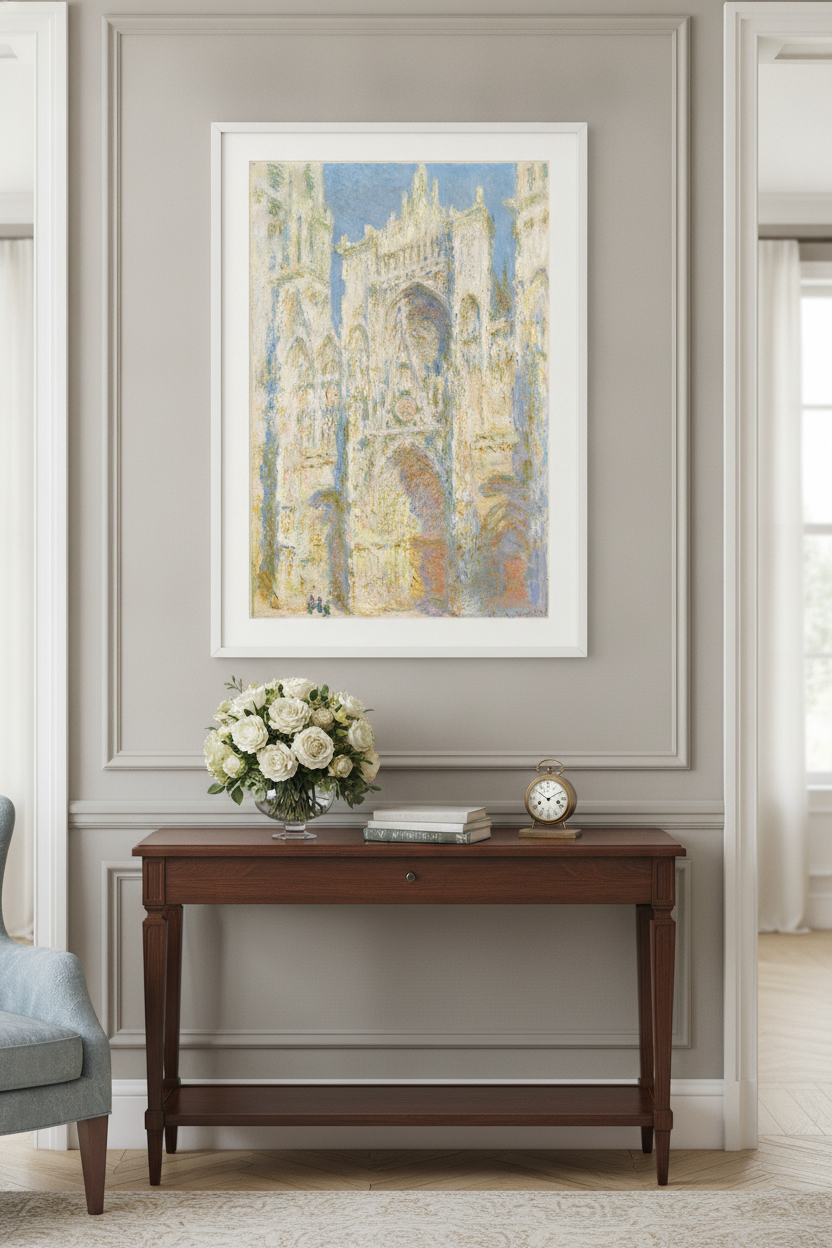
Chasing the Light: The Revolutionary Impressionism of Claude Monet
In short: Claude Monet redefined painting by stepping out of the studio to capture the fleeting beauty of light. His vibrant, textured brushstrokes bring the outdoors inside, making his works perfect for creating a serene, luminous atmosphere in modern spaces.
Chasing the Fleeting Light
In the mid-nineteenth century, French art was dominated by dark, highly polished studio paintings of historical and mythological scenes. Claude Monet changed everything. By packing up his easel and stepping outdoors, he rejected the rigid academic rules of his time. Monet wanted to paint the world as it actually felt in a single, passing moment—not an idealized, static version of it.
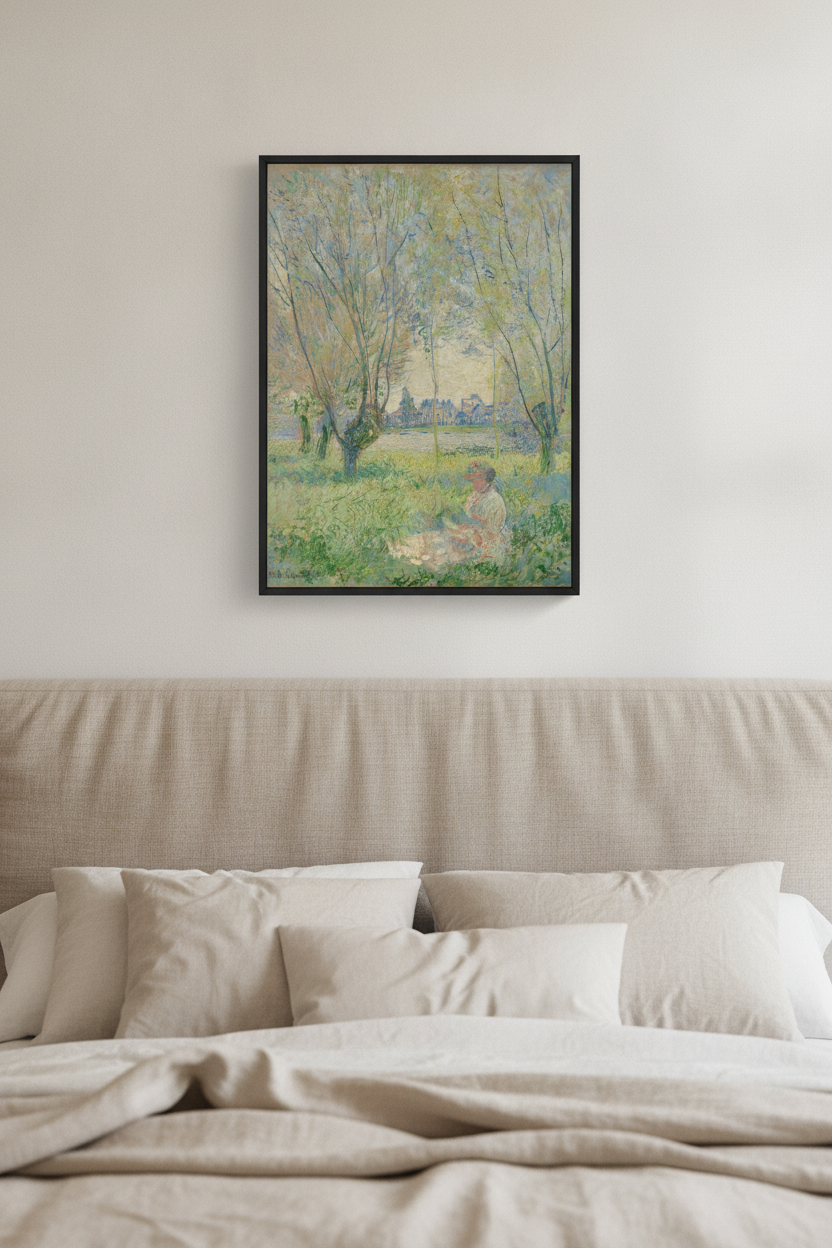
This practice, known as painting en plein air, allowed him to capture the shifting nuances of the passing hours. Whether painting the rugged cliffs of Normandy or the quiet banks of a river, he worked quickly to record the light before it changed. Today, exploring the full Claude Monet collection reveals a lifetime dedicated to capturing these fleeting, sensory experiences of the natural world.
The Anatomy of an Impression
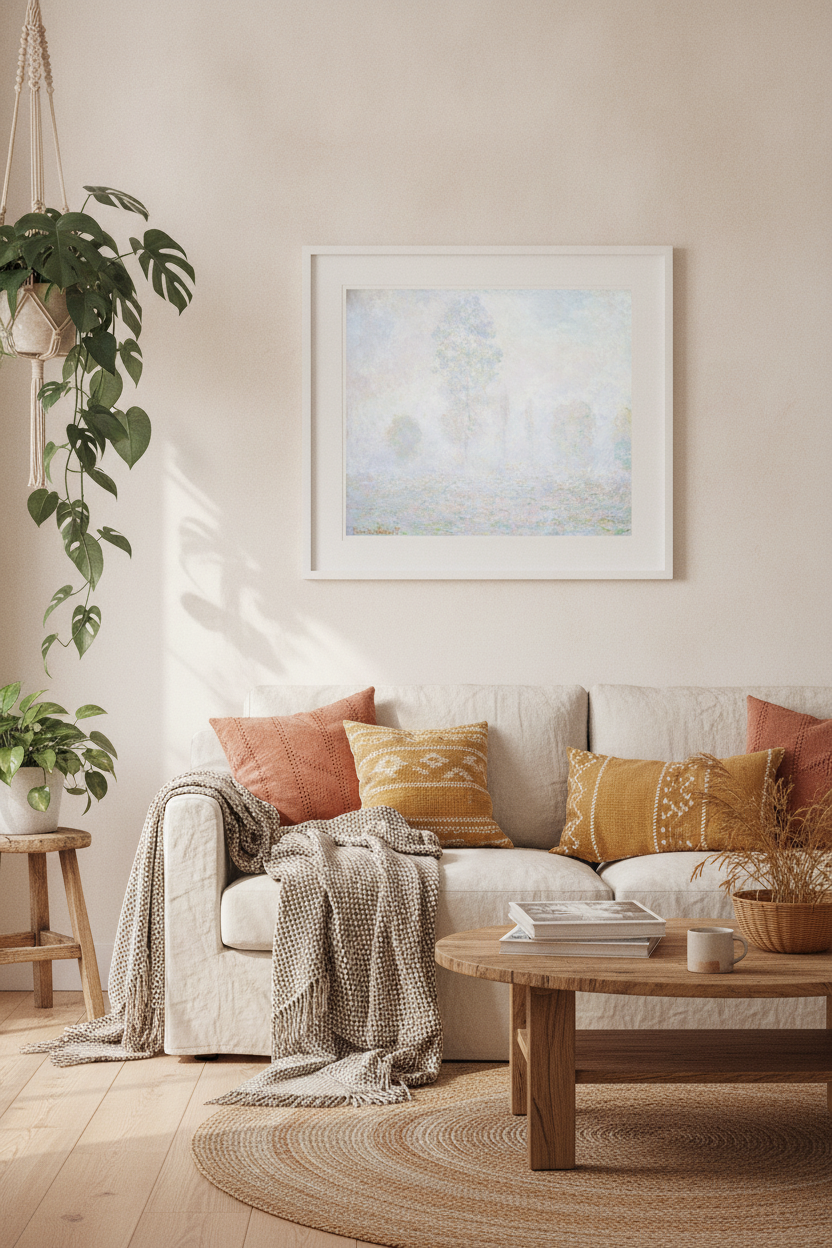
If you look closely at a Monet painting, you won't find the smooth, invisible brushwork of his predecessors. Instead, you will see bold, visible strokes of paint laid side by side. Monet rarely blended his colors on the palette. Instead, he relied on a technique where the viewer’s eye optically mixes the vibrant, unblended colors from a distance.
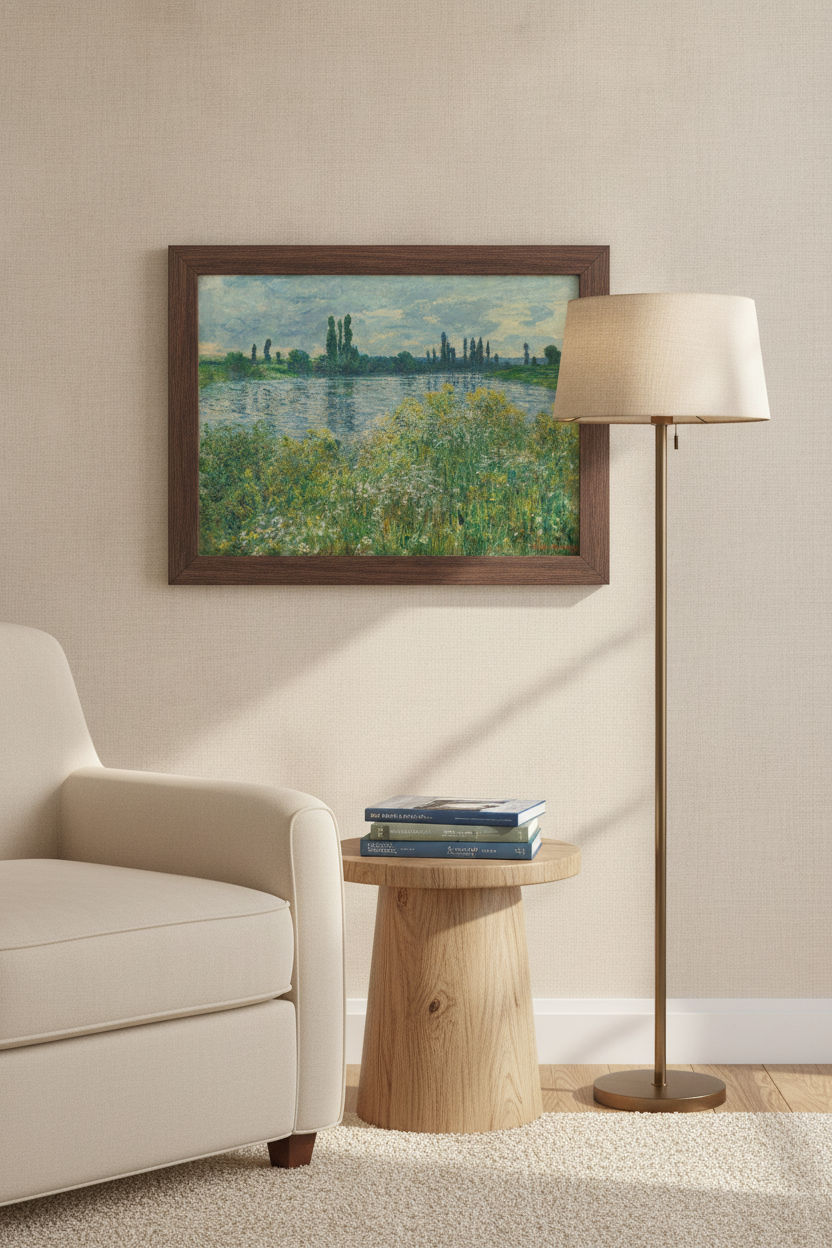
This technique gives his art an incredible sense of movement and life. In works like Banks of the Seine, Vétheuil, the water seems to ripple and the sky seems to breathe. By focusing on the texture of the paint itself, Monet reminded the viewer that a painting is not just a window into another world, but a beautiful physical object in its own right.
The Magic of the Series
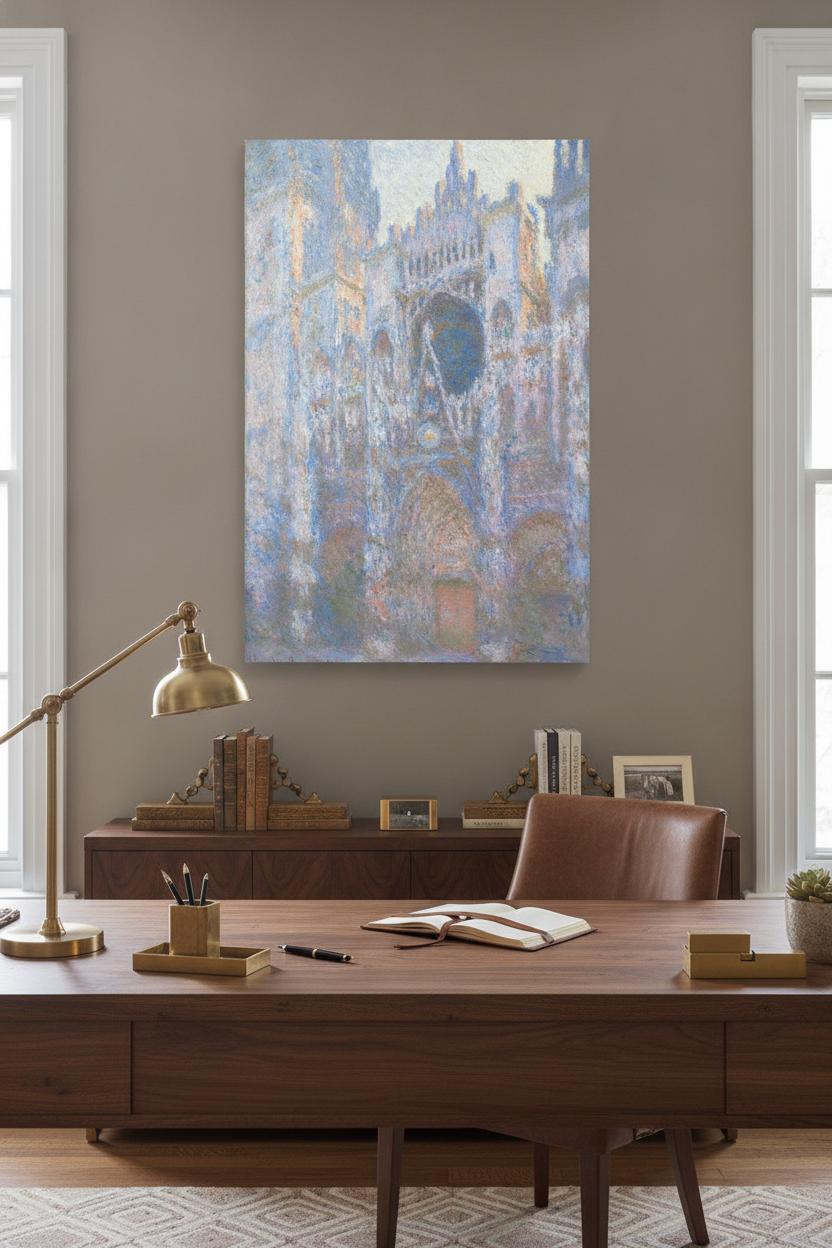
As Monet grew older, he became obsessed with how the same subject could look entirely different depending on the time of day, the season, and the weather. To capture this, he began painting in series. He would set up multiple easels in a row, switching from one canvas to the next as the sun moved across the sky.
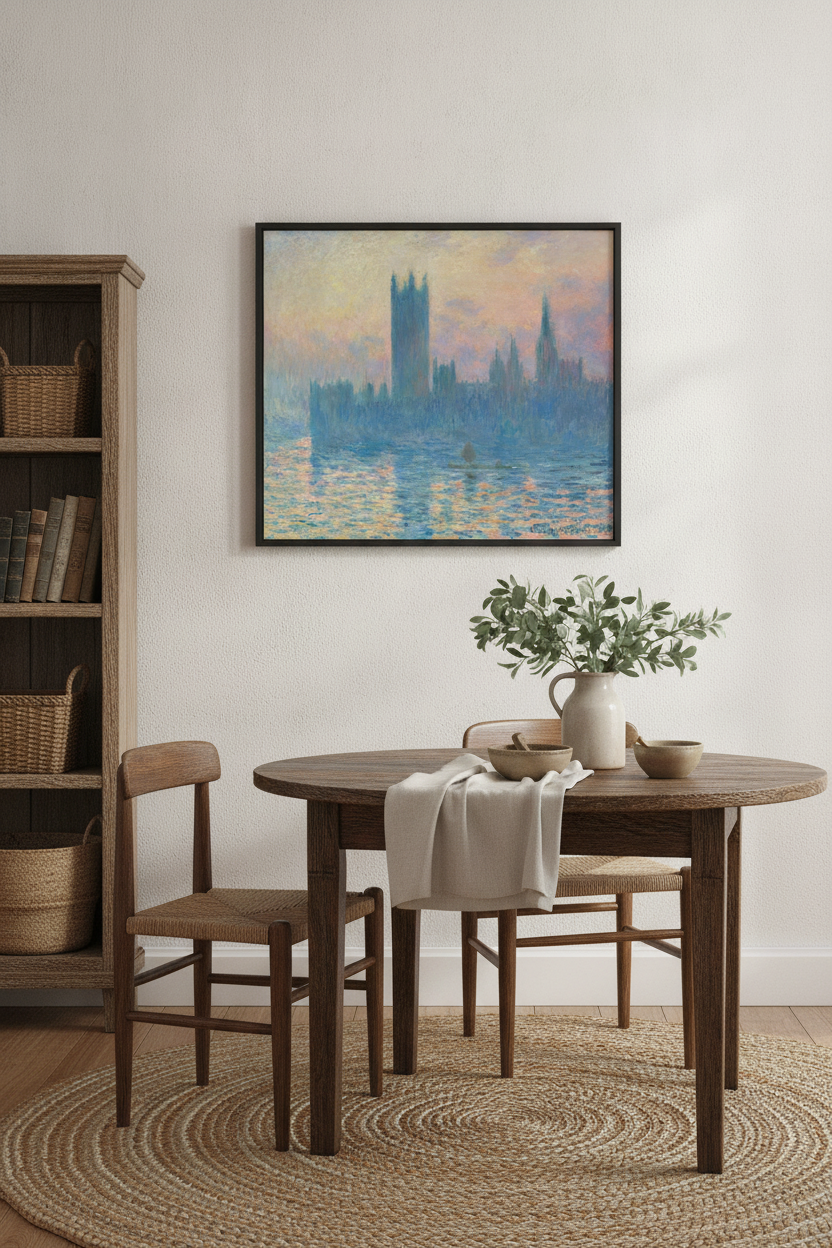
Through these series, he painted haystacks, cathedrals, and rivers dozens of times. In The Houses of Parliament, Sunset, we see how solid stone structures can almost dissolve into a dreamlike haze of fog and glowing color. It was never really about the buildings or the landscapes themselves; it was about the air and the light that existed between the artist and the subject.
Bringing Monet into the Modern Home
There is a reason Monet’s work remains incredibly popular for home decor. His paintings do not demand your attention with harsh lines or heavy, dark subjects. Instead, they offer a sense of peace, light, and open space. They bring the calming influence of nature indoors, making them perfect for busy modern living spaces.
When printed on high-quality canvas or fine-art paper, the rich textures of his brushstrokes come alive. A Monet print works beautifully in a minimalist room, adding a soft wash of color and history without overwhelming the space. It acts as a visual breath of fresh air, inviting you to pause and appreciate the quiet beauty of the moment.
Frequently asked questions
What is Impressionism and how did Monet help start it?
Impressionism is an art movement characterized by visible brushstrokes, open composition, and an emphasis on the accurate depiction of light. The movement actually got its name from Monet's painting 'Impression, Sunrise'. Critics used the term mockingly at first, but the artists embraced it as a badge of honor.
Why did Monet paint the same subject multiple times?
Monet was fascinated by how light and weather change our perception of a scene. By painting subjects like haystacks, cathedrals, or water lilies at different times of day, he demonstrated that a subject's appearance is never static, capturing the passage of time on canvas.
How do Monet prints look on textured canvas versus fine-art paper?
Canvas reproductions bring out the rich, painterly texture of Monet's heavy brushstrokes, giving the piece an authentic, gallery-like feel. Fine-art paper prints offer incredible detail and color depth, making them ideal for showcasing the delicate, atmospheric glazes of his lighter works under glass.