How Did Alice Cosgrove Find Classical Beauty in Folk Art?
In short: Alice Cosgrove brought academic precision and classical harmony to American design. Her clean lines, balanced compositions, and delicate light make her prints perfect for modern, sophisticated interiors.
The Quiet Power of Balanced Design
At first glance, classical art might evoke images of marble ruins or grand academic canvases. But true classicism is not about a historical era—it is a way of seeing. It is a dedication to balance, symmetry, and the pursuit of an idealized form. The American artist Alice Cosgrove understood this deeply. Through her disciplined draftsmanship, she took everyday subjects and elevated them into timeless studies of quiet permanence and intellectual clarity.
By exploring the Alice Cosgrove collection, one immediately senses a profound restraint. Cosgrove did not chase fleeting trends or dramatic, chaotic emotions. Instead, she looked for the underlying structure of her subjects, rendering them with a poise inspired by antiquity and academic precision. Her work answers a simple but profound question: how do we find order and beauty in a complex world? We do it through harmony, clean lines, and a devotion to form.
The Precision of the Classical Eye
What makes Cosgrove’s style so arresting is her incredible control. Every composition is anchored by a sharp, deliberate draftsmanship. There are no accidental marks or muddy colors here. Instead, she uses a delicate interplay of light and form to give her subjects a three-dimensional weight and a serene, luminous presence.
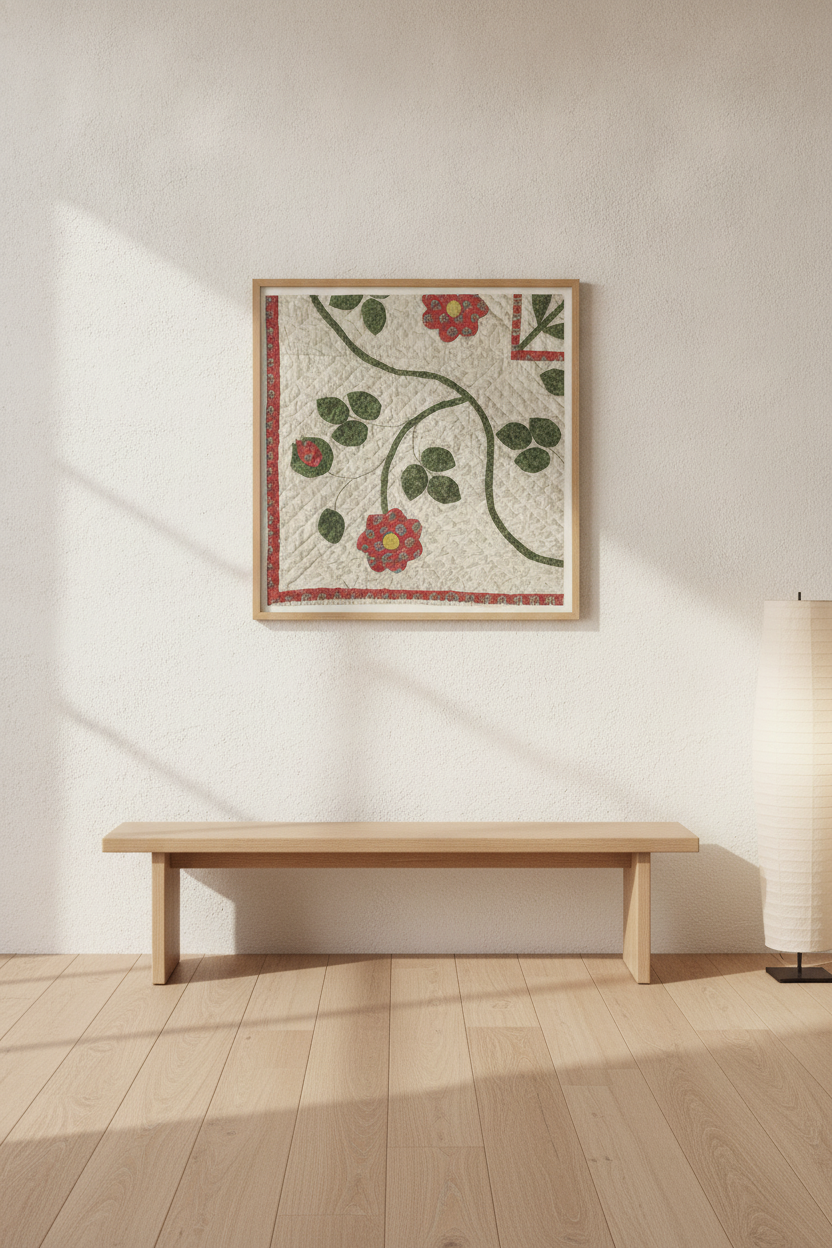
A perfect example of this classical approach applied to American heritage is her rendering of the Quilt - Tulip Pattern (c. 1941). In this piece, a traditional folk craft is elevated to the level of high academic art. The geometric repetition, the clean rendering of the fabric folds, and the balanced color palette turn a simple quilt pattern into a masterpiece of structured harmony. It is a testament to her belief that even the most humble objects deserve the dignity of classical representation.
Why Her Work Belongs in the Modern Home
In our fast-paced, highly digital lives, our homes have become sanctuaries where we seek peace and clarity. This is precisely why Alice Cosgrove’s work translates so beautifully into modern fine-art prints and canvases. Her art does not shout for attention; instead, it anchors a room with a sense of calm sophistication.
Whether you choose a framed print or a textured canvas, Cosgrove’s clean lines and balanced compositions bring an effortless elegance to minimalist, mid-century, or traditional spaces. They offer a moment of quiet contemplation—a visual deep breath that celebrates the enduring power of order, grace, and light.
Frequently asked questions
What is the classical tradition in Alice Cosgrove's work?
It refers to her focus on balance, symmetry, clean lines, and idealized forms, drawing inspiration from the poise of antiquity and academic precision.
What medium did Alice Cosgrove primarily work in?
Cosgrove was a highly skilled draftsperson and painter, known for her precise renderings, often using watercolor, gouache, and ink to capture textures and forms with incredible accuracy.
How does her art fit into modern home decor?
Because of her emphasis on structured harmony and neutral, balanced compositions, her prints bring a sense of calm, order, and timeless sophistication to modern, minimalist, or classic interiors.