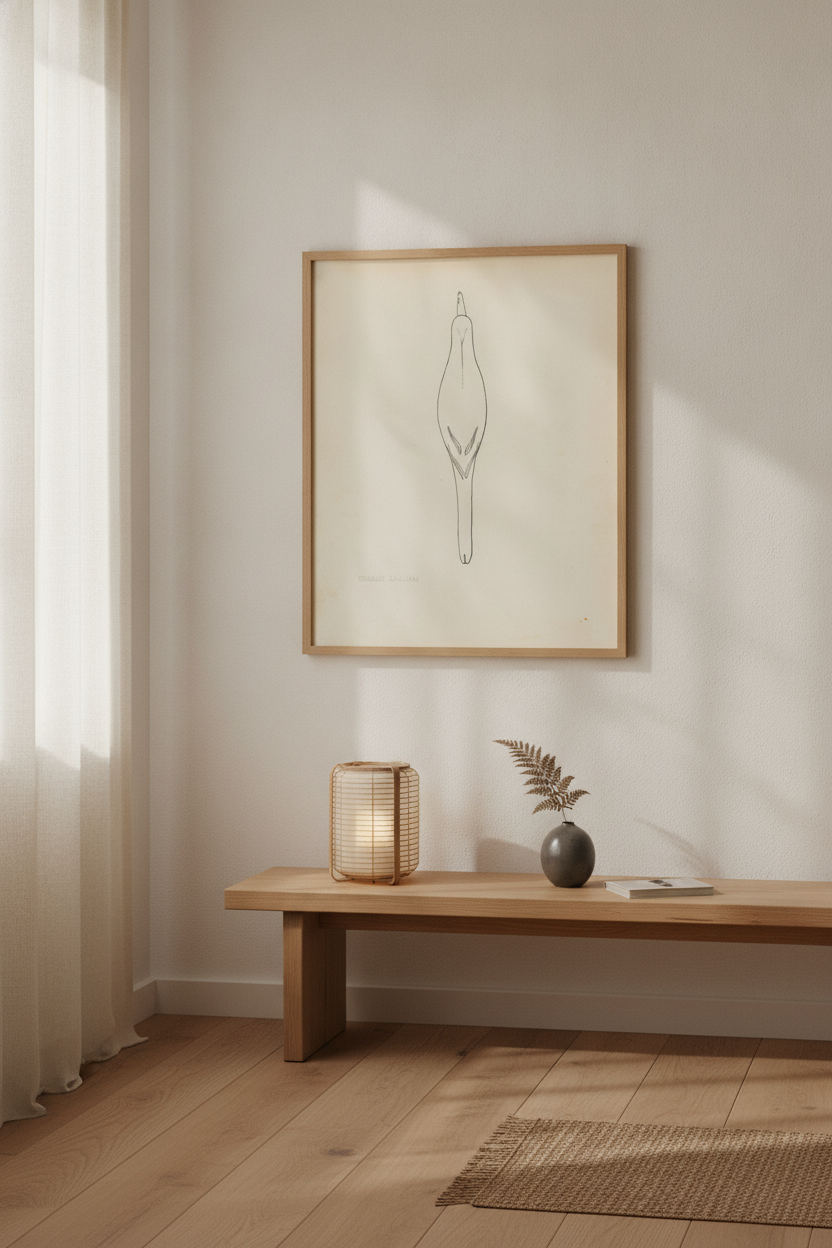
How did Charles Garjian make folk art look classical?
In short: By applying the strict, harmonious principles of the Classical school to simple American craft objects, Charles Garjian created quiet, monumental masterpieces that bring a sense of calm, historic beauty to modern spaces.
Elevating the Everyday to the Eternal
How did an artist trained in the rigorous traditions of the Classical school turn his attention to humble, handmade American toys and decoys? The answer lies in Charles Garjian’s unique ability to see the monumental in the miniature. By applying the academic principles of balance, symmetry, and structural clarity to everyday objects, Garjian elevated folk art into the realm of high classical beauty. In his hands, a simple wooden carving is no longer just a relic of the past; it becomes a study in timeless stillness and quiet dignity.
This fascinating intersection of academic technique and rustic subject matter defines Garjian’s legacy. During his career, he worked diligently to document historical American design, but he did so with the eye of a classical master. Instead of flat, simple records, he produced compositions that feel alive with atmosphere, transforming ordinary utilitarian objects into quiet, contemplative monuments.
Soft Light and Meticulous Draftsmanship
If you explore the Full Charles Garjian collection, you will immediately notice a profound devotion to order and harmony. Garjian did not simply copy what he saw; he sought the idealized essence of his subjects. He achieved this through a masterful command of light and shadow, using a soft, refined palette that wraps each object in a gentle, atmospheric glow. Rather than using harsh, rigid lines, his soft, blended brushstrokes slowly build volume and depth, inviting us to slow down and appreciate the form.
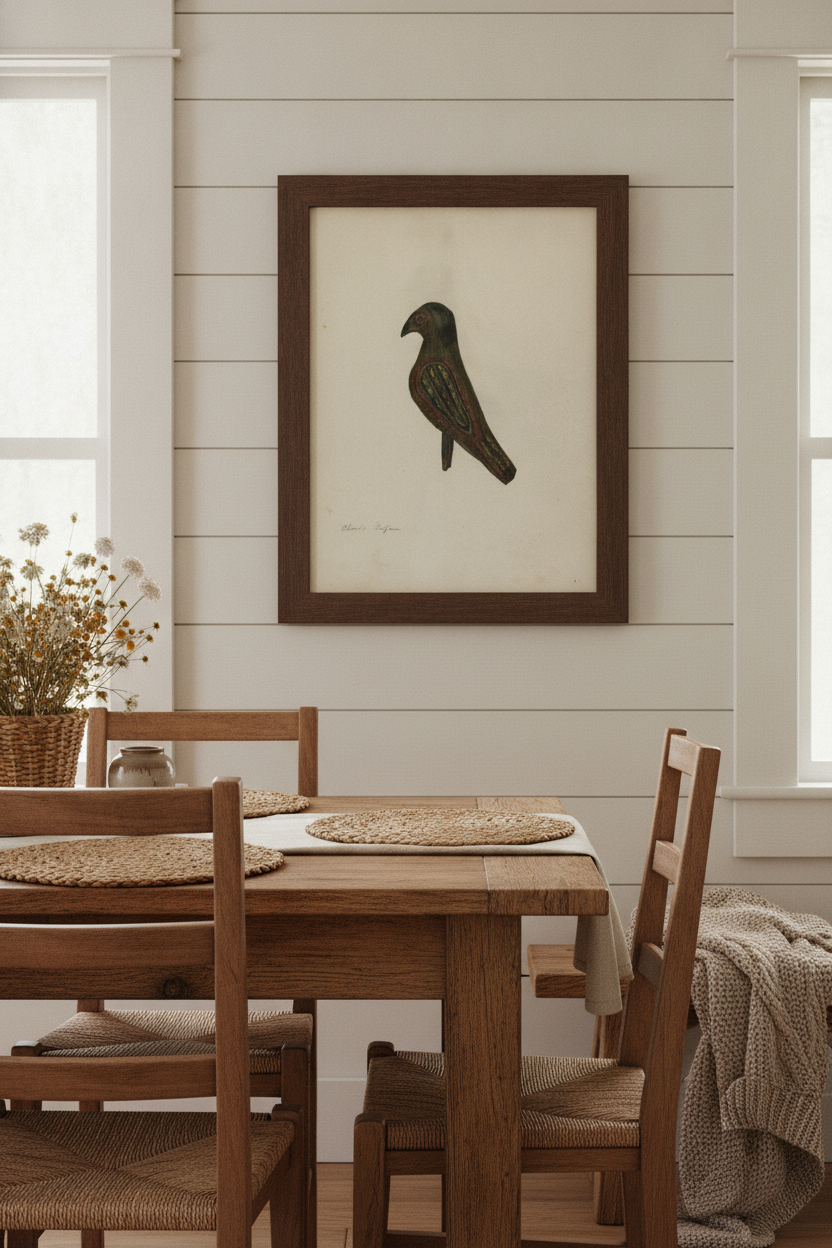
Consider his rendering of a Decoy (Red-Wing Black Bird) (1935/1942). A decoy is, by definition, a practical tool made for the field. Yet, under Garjian’s classical eye, the bird takes on a sculptural, almost heroic quality. The subtle gradations of dark tones against a soft, neutral background create a powerful sense of weight and presence. It is this meticulous draftsmanship that transforms a piece of painted wood into a captivating work of fine art.
Why Garjian’s Work Belongs in the Modern Home
This harmonious approach is precisely why Garjian’s work translates so beautifully into modern homes. In a world filled with visual noise, his compositions offer a sanctuary of contemplative order. His clean layouts and balanced use of space appeal directly to modern minimalist sensibilities, while his warm, earthy palettes and historic subjects add a layer of soulful, rustic character to contemporary spaces.
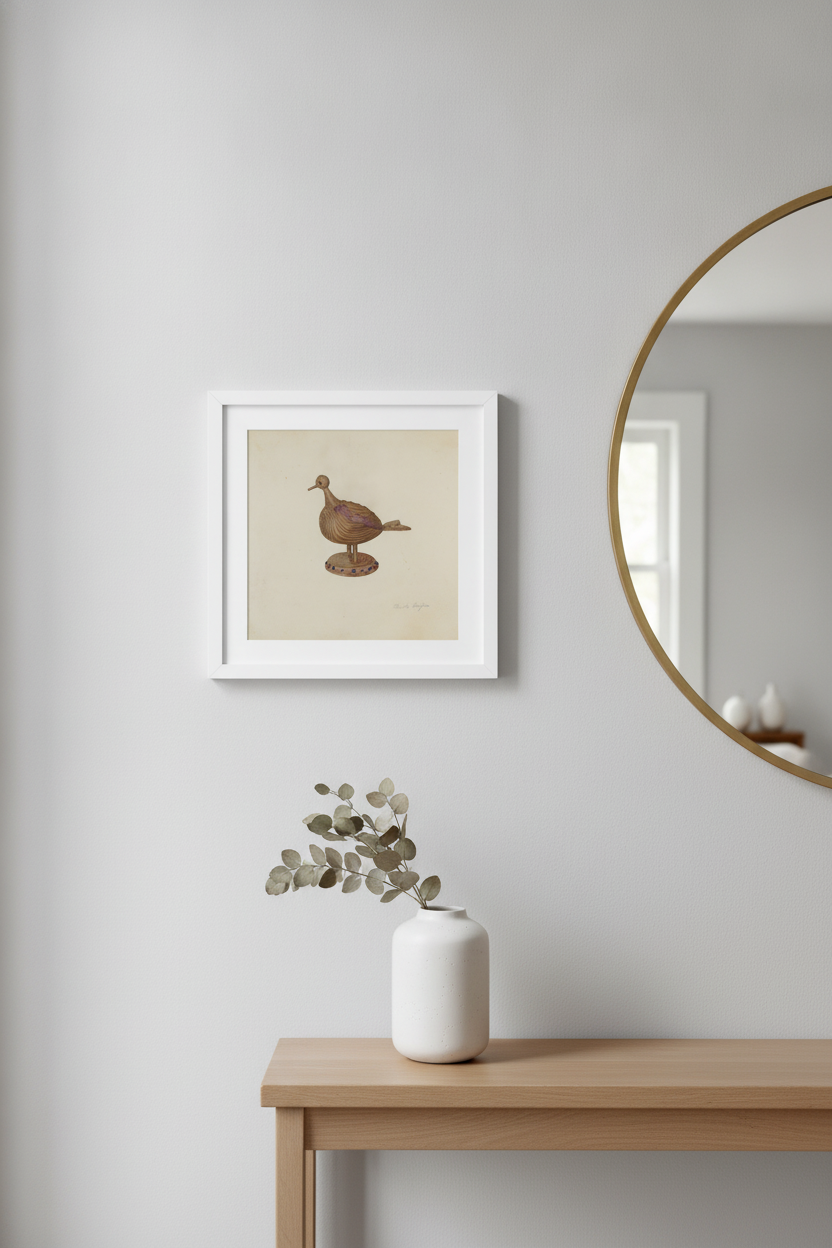
For instance, a print like the Pa. German Toy Bird (1935/1942) brings a perfect balance of historic warmth and clean, graphic simplicity. Whether framed on a minimalist gallery wall or resting on a rustic wooden shelf, Garjian’s art bridges the gap between traditional craftsmanship and contemporary design, proving that true balance and quiet beauty never go out of style.
Frequently asked questions
What art movement does Charles Garjian belong to?
Garjian's work is deeply rooted in the Classical school, characterized by a devotion to balance, symmetry, and idealized form. He famously applied these academic methodologies to record historic American folk art during the mid-20th century.
What makes his depiction of everyday objects so unique?
Garjian treated humble, handmade objects with the same reverence and meticulous draftsmanship usually reserved for classical monuments. By using soft, blended brushstrokes and a refined play of light and shadow, he gave these simple items a sense of timeless, quiet dignity.
How do Charles Garjian prints fit into modern interior design?
His clean compositions and balanced use of space blend seamlessly with modern minimalist aesthetics, while his warm palettes and historic subjects add a layer of soulful, rustic character to contemporary spaces.