How did Clarence Secor capture such profound stillness?
In short: Clarence Secor rejected modern trends to embrace classical academic discipline. Through soft, directional light and muted tones, he painted timeless, sculptural scenes that bring a calming, meditative atmosphere to modern homes.
The Quiet Rebel of Classical Realism
In an era when the art world was rushing headlong into abstraction and experimental chaos, Clarence Secor took a step backward—or perhaps, a step inward. A dedicated practitioner of Classical Realism, Secor looked to the enduring principles of the nineteenth-century academic tradition. Instead of chasing fleeting modern trends, he committed himself to a quiet reverence for form, balance, and proportion.
Secor captured profound stillness by treating every canvas as a sanctuary of order. His compositions are not rushed snapshots of life; they are deliberate, structured meditations. By stripping away unnecessary clutter and focusing on the weight and presence of his subjects, Secor created art that feels suspended in time, offering a visual deep breath to anyone who pauses to look.
A Masterclass in Light and Sculptural Form
To look at a Secor painting is to witness a masterclass in the control of light. His stylistic signature relies heavily on soft, directional light that gently coaxes his subjects out of the shadows. Rather than using harsh contrasts, Secor employed a restrained palette of earth tones and muted jewel colors, giving his work an atmospheric gravity that feels both intimate and grand.
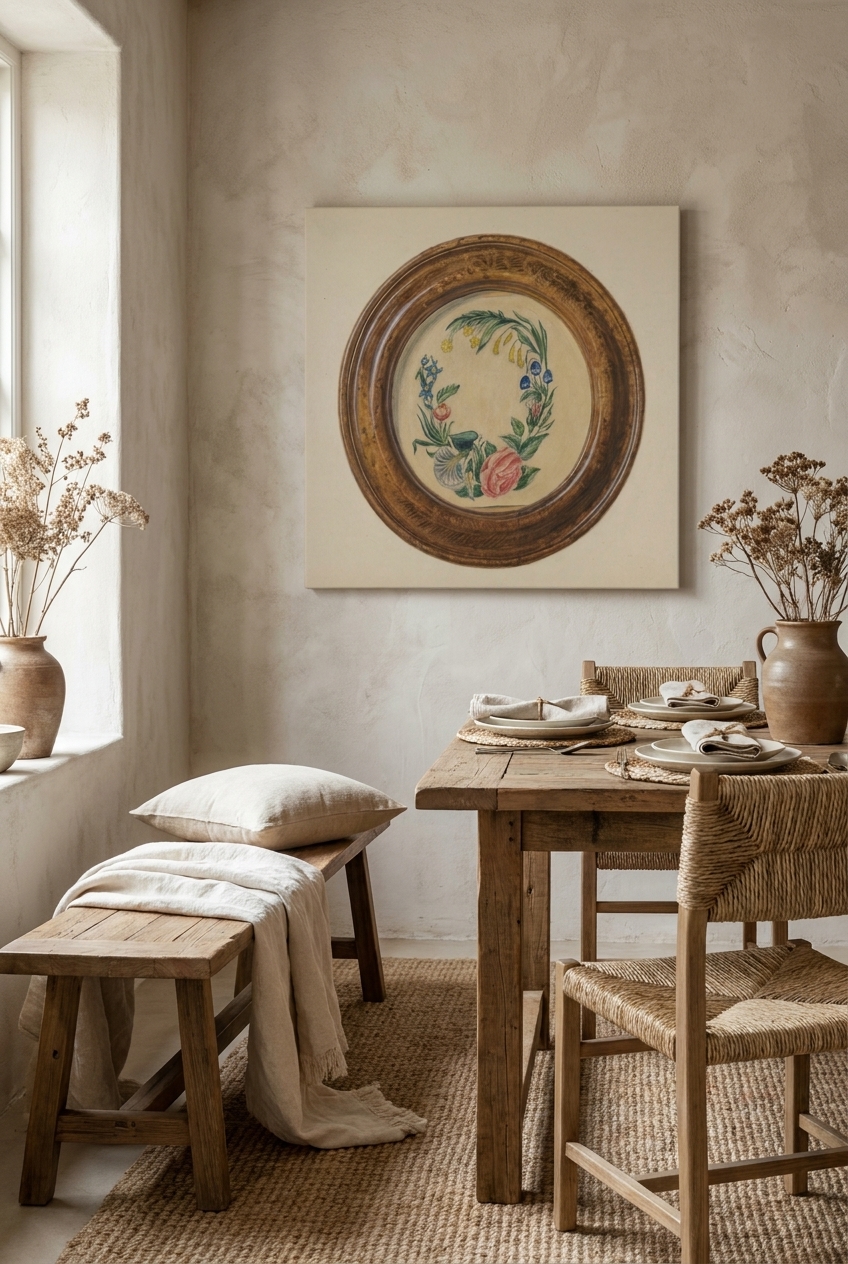
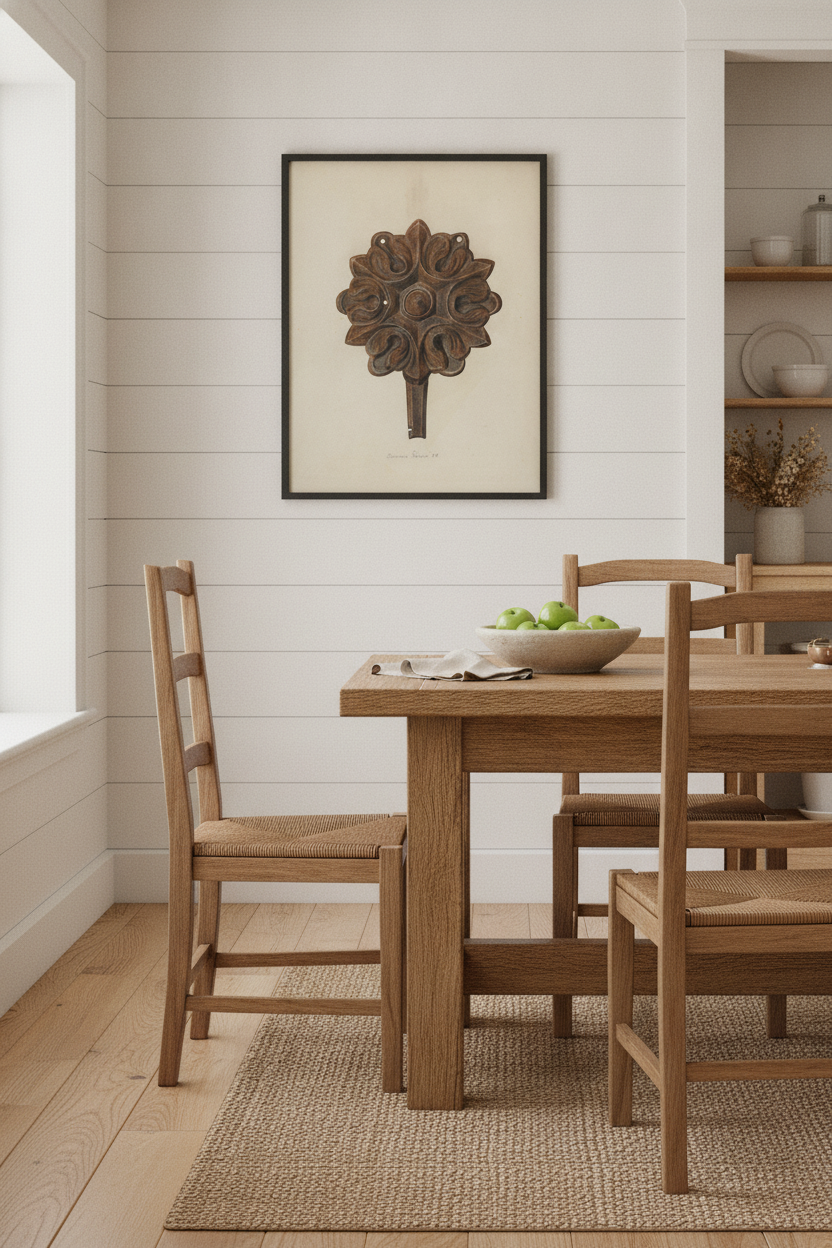
This meticulous approach is beautifully evident in Rosette (1938), where the delicate interplay of shadow and form creates a striking, sculptural presence. Similarly, his Framed Flower Painting (1937) showcases how even a simple floral arrangement can be elevated into a monument of quiet dignity through careful tonal harmony. Every line is rendered with absolute precision, ensuring that the final image feels solid, permanent, and deeply real.
Why Secor’s Work Resonates in the Modern Home
While Secor’s techniques are rooted in the past, his aesthetic is remarkably well-suited for contemporary living spaces. Modern interiors often crave a focal point that brings warmth and grounding without adding visual noise. Secor’s paintings do exactly that. Their muted color palettes and soft lighting act as an anchor, blending seamlessly with both minimalist decor and more traditional, cozy settings.
Bringing a piece from the Full Clarence Secor collection into your home is an investment in daily tranquility. Whether reproduced on archival fine-art paper or stretched canvas, the rich, subtle textures of his brushwork and the depth of his shadows translate beautifully into print. They invite slow, meditative observation—a gentle reminder to slow down in a fast-paced world.
Frequently asked questions
What is Classical Realism?
Classical Realism is an artistic movement that values the traditional skills of drawing and painting, rooted in the academic disciplines of the 18th and 19th centuries. It emphasizes beauty, proportion, accurate draftsmanship, and a realistic representation of the physical world, often rejecting the abstract trends of modernism.
How did Clarence Secor achieve the "sculptural" quality in his paintings?
Secor achieved a sculptural quality through a technique called chiaroscuro—the subtle transition from light to shadow. By using soft, directional light and a restrained palette of earth tones, he defined the three-dimensional volume of his subjects, making them appear solid and tangible on a flat canvas.
What kind of home decor style suits Clarence Secor's prints?
Because of their muted jewel tones, earth palettes, and quiet subject matter, Secor's prints are incredibly versatile. They complement minimalist modern spaces by adding warmth and depth, and they fit perfectly into traditional, transitional, or dark-academia styled rooms.