How did Correggio change the way we see light and shadow?
In short: Operating away from Florence and Rome, Correggio pioneered a soft, dynamic style of painting that traded rigid geometry for swirling movement, tender emotion, and glowing light.
The Quiet Rebel of Parma
While Michelangelo and Raphael worked under the intense, intellectual spotlight of Rome and Florence, Antonio Allegri da Correggio quietly revolutionized painting from the northern Italian city of Parma. He changed how we see light and shadow by abandoning hard outlines. Instead, he embraced sfumato—a technique of blending colors and tones so subtly that they melt into one another like smoke. This created an unprecedented softness and emotional warmth that made his subjects feel human, approachable, and deeply alive.
A Masterclass in Softness and Movement
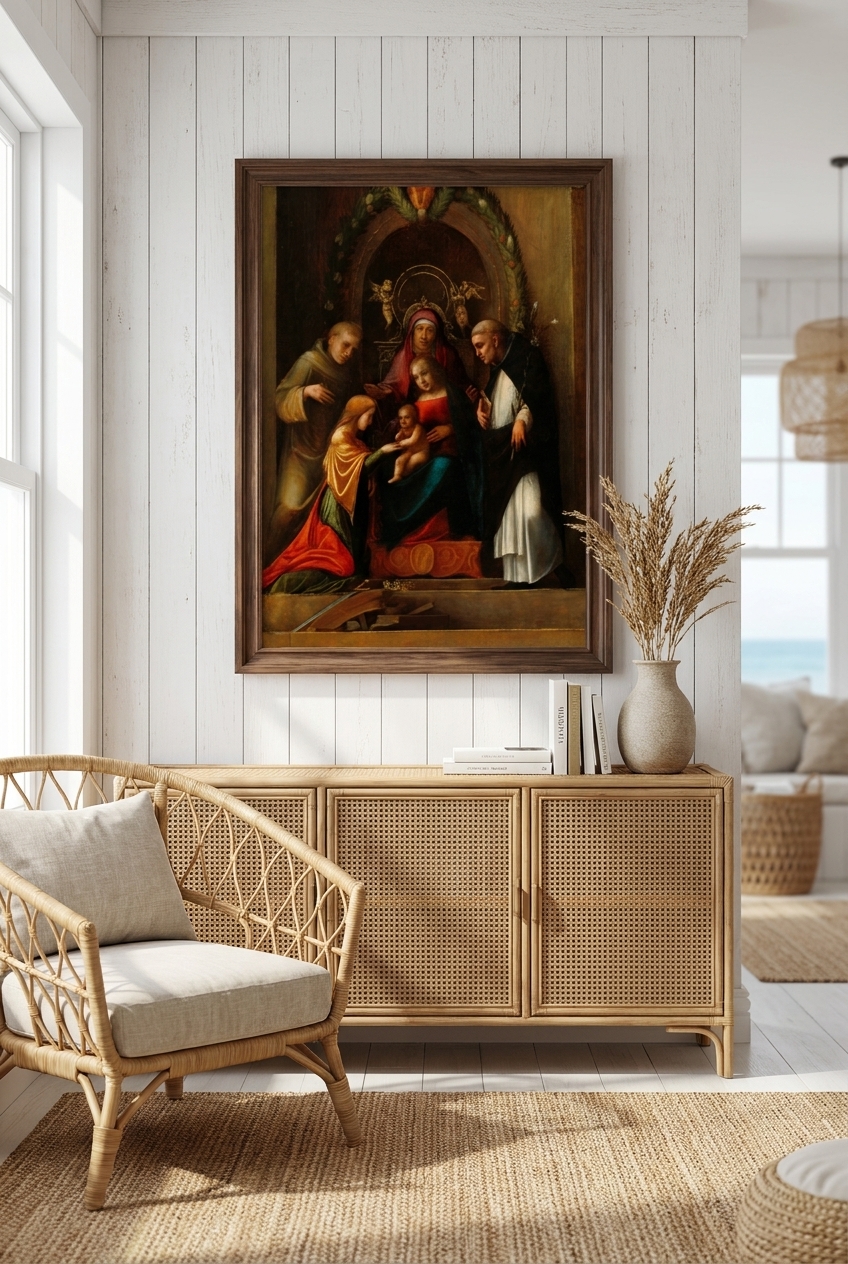
Correggio's paintings feel alive because he rejected the static, geometric poses popular in his day. He loved dynamic, swirling compositions and bold, foreshortened perspectives that make the viewer feel as though they are standing right inside the scene. If you look at his figures, they seem to breathe. His light does not just illuminate a scene; it wraps around his subjects, dissolving sharp edges into delicate, atmospheric transitions. In works like The Mystic Marriage of Saint Catherine, you can see this tender, living warmth in the gentle gestures, the soft glow on the skin, and the intimate connection between the figures.
The Bridge to the Baroque
By prioritizing emotion and fluid grace over rigid intellectual rules, Correggio accidentally built the bridge to the Baroque era. His dramatic use of light and shadow, known as chiaroscuro, and his illusionistic dome paintings in Parma paved the way for later artists who wanted to paint high drama and deep feeling. He showed the art world that painting did not have to be a mathematical puzzle of perspective; it could be a sensory, emotional experience that speaks directly to the heart.
Why Correggio Belongs on Your Wall
There is a soothing, atmospheric quality to Correggio's art that makes it uniquely suited for contemporary living spaces. Unlike the stark, high-contrast drama of later Baroque painters, his palette remains delicate, warm, and comforting. Hanging a high-quality print from the Full Correggio collection brings a sense of quiet, luminous grace to a room. His soft shadows and warm tones create an inviting focal point, offering a visual resting place that feels both historic and remarkably fresh in a modern home.
Frequently asked questions
Who was Correggio and when did he live?
Antonio Allegri da Correggio (1489–1534) was a master painter of the Italian High Renaissance. He spent most of his career in Parma, away from the major artistic hubs of Florence and Rome, which allowed him to develop a highly unique, soft, and emotional style.
What is "sfumato" and how did Correggio use it?
Sfumato is an artistic technique where sharp outlines are replaced by soft, hazy transitions of light and shadow. Correggio mastered this technique to give his figures a lifelike, tender quality, making their skin look warm and glowing.
How did Correggio influence later art movements?
Correggio's dynamic, swirling compositions and emotional immediacy directly anticipated the Baroque movement. His groundbreaking work with foreshortening and ceiling perspective inspired later masters to create dramatic, illusionistic spaces.