How did Joseph L. Boyd capture such quiet stillness?
In short: Joseph L. Boyd rejected fleeting modern trends to master Classical Realism, creating quiet, balanced, and deeply atmospheric paintings that bring an enduring sense of calm to any space.
The Pursuit of Enduring Order
In an era when the art world was rapidly shifting toward abstraction and fast-paced experimentation, Joseph L. Boyd chose a different path. Working within the disciplined lineage of the classical tradition, Boyd dedicated his career to the quiet pursuit of balance, proportion, and the subtle play of natural light. He captured an extraordinary sense of stillness by intentionally slowing down, relying on the academic principles of draftsmanship to translate the natural world into compositions of quiet grandeur.
Rather than chasing the fleeting trends of his time, Boyd focused on the timeless. His paintings do not shout for attention; instead, they whisper. By masterfully controlling his values and focusing on atmospheric depth, he created a body of work that acts as a visual sanctuary, inviting viewers to pause, breathe, and appreciate the enduring beauty of simple forms.
The Anatomy of His Style
To understand Boyd's unique appeal, one must look closely at his stylistic signature: meticulous brushwork and a highly restrained, sophisticated palette. He avoided garish colors and dramatic, chaotic compositions. Instead, his work relies on a poetic realism where every element is carefully placed to achieve perfect harmony.
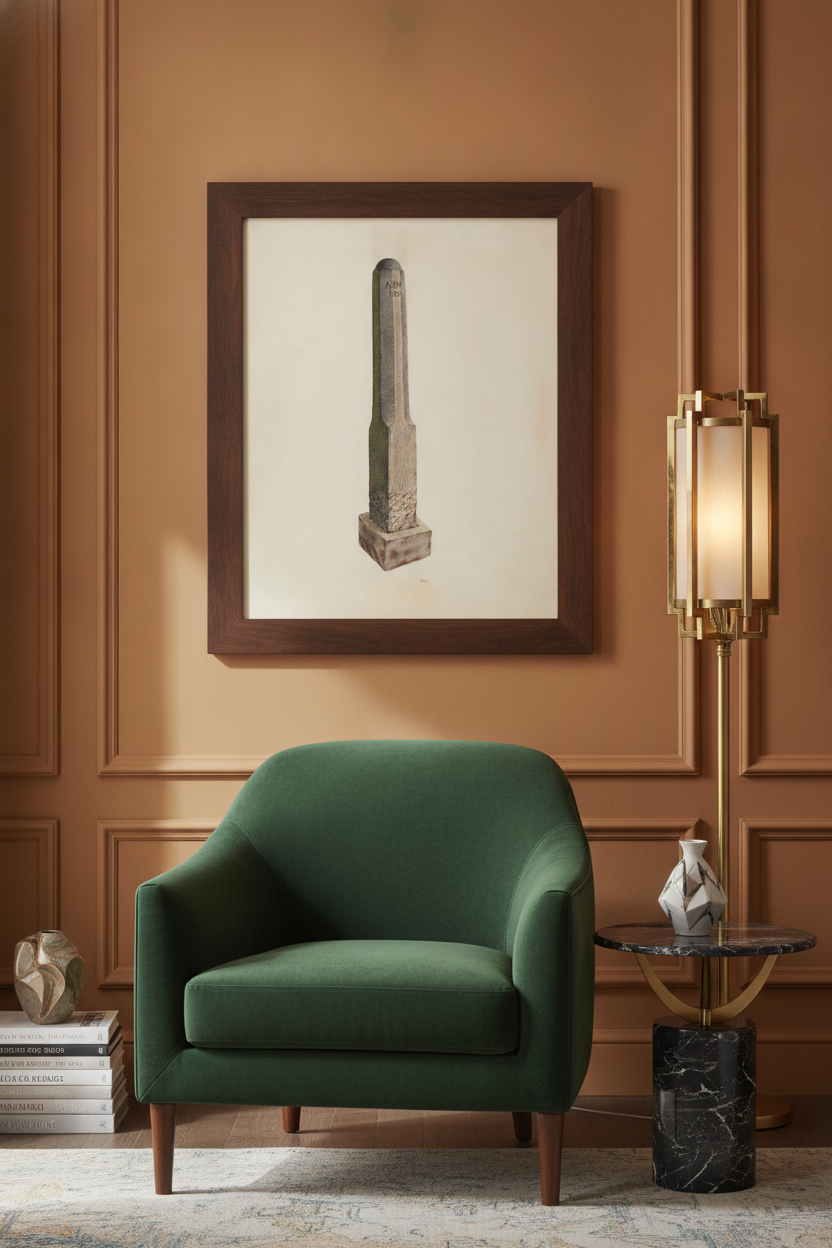
Consider his striking work, Plantation Boundary Marker (c. 1938). Here, Boyd takes a simple, rustic subject and elevates it with a profound sense of dignity. The clean lines, the soft play of light on weathered surfaces, and the balanced composition turn an ordinary marker into an object of quiet contemplation.
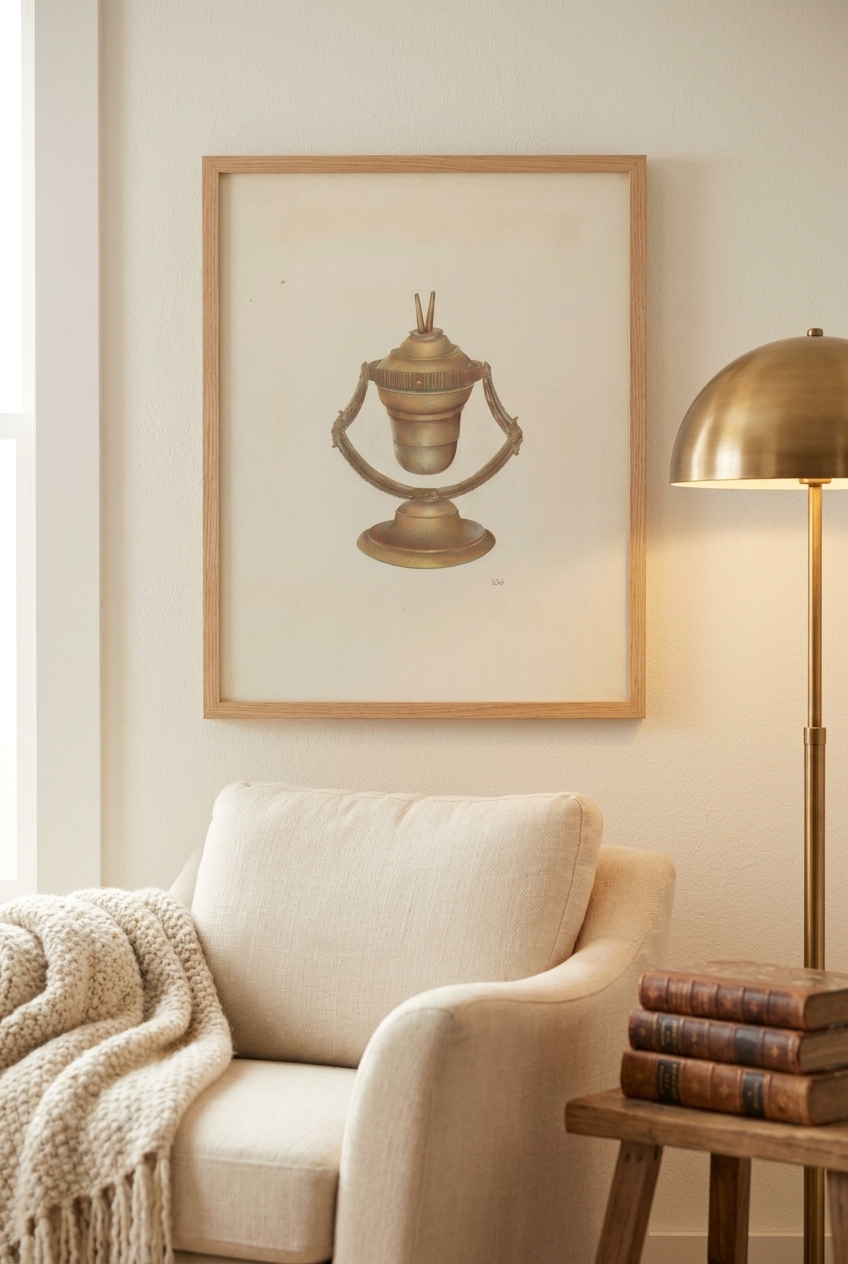
Another exceptional example of his mastery of light and shadow is Mariner's Lamp (c. 1940). In this piece, the subtle gradients of light wrapping around the lamp create an incredible sense of weight and three-dimensional form. The painting feels almost silent, capturing a moment of absolute stillness that feels both intimate and monumental.
Why Classical Realism Belongs in the Modern Home
In our fast-paced, highly digital world, our homes have become more important than ever as places of rest and recovery. This is precisely why Joseph L. Boyd’s work translates so beautifully into modern living spaces. His paintings offer a harmonious refuge from the noise of daily life.
Whether displayed as a textured canvas or a beautifully framed print, Boyd's art brings a grounding presence to a room. His neutral, sophisticated color palettes blend seamlessly with contemporary interior design, from minimalist and transitional spaces to more traditional decors. Because his focus was on timeless form rather than temporary fashion, these pieces never feel dated.
By exploring the full Joseph L. Boyd collection, you can find the perfect piece to bring a sense of academic order, exquisite execution, and archival depth to your own walls.
Frequently asked questions
What is Classical Realism?
Classical Realism is an artistic movement that values the traditional skills of draftsmanship, realistic representation, and classical concepts of beauty, balance, and light, drawing inspiration from the academic masters of the past.
What makes Joseph L. Boyd's style unique?
Boyd stood out by resisting the abstract trends of his era. Instead, he dedicated himself to meticulous brushwork, a sophisticated, restrained color palette, and a quiet, poetic realism that emphasizes atmospheric depth and enduring stillness.
How do Joseph L. Boyd prints look in modern interiors?
Because of their balanced compositions and subtle, natural tones, Boyd's works act as a calming anchor in modern rooms. They complement minimalist, transitional, and traditional decor alike by bringing a sense of quiet grandeur.