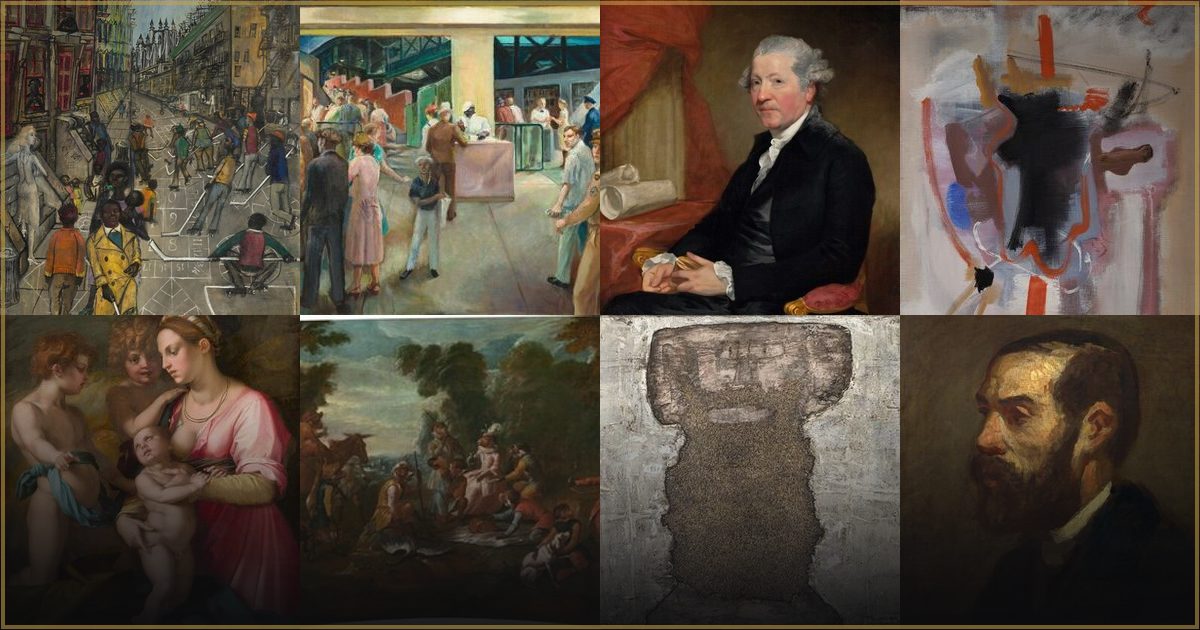
How does Edith Magnette capture quiet classical harmony?
In short: Edith Magnette's work embodies the balance, symmetry, and soft light of the classical academic tradition, making her quiet, elegant compositions perfect for modern, minimalist spaces.
The Art of Quiet Restraint
In a world of constant visual noise, the art of Edith Magnette offers a welcome sanctuary of stillness. Associated with the disciplined elegance of the Classical tradition, her work embodies the rigorous academic standards of the late eighteenth and early nineteenth centuries. But how does she achieve this rare sense of peace? The answer lies in her commitment to balance, symmetry, and an almost sacred restraint.
By exploring the Edith Magnette collection, you immediately feel a shift in atmosphere. There are no jarring angles or chaotic bursts of color. Instead, each piece is a masterclass in poise, designed to bring a harmonious, grounding energy into any space it occupies.
The Classical Legacy: Light, Shadow, and Form
At the heart of Magnette’s style is a delicate, sculptural rendering of her subjects. Whether depicting figures or still objects, she uses a muted palette and soft, deliberate brushwork to build form. Light does not crash into her scenes; it bathes them gently, carving out soft shadows that give every element a three-dimensional weight.
This careful handling of light and shadow creates a quiet introspection. Her subjects seem paused in a moment of eternal calm, elevating simple studies into timeless representations of grace. It is this technical precision, balanced with emotional restraint, that defines the enduring legacy of academic art.
Bridging Eras: From Academic Discipline to Everyday Objects
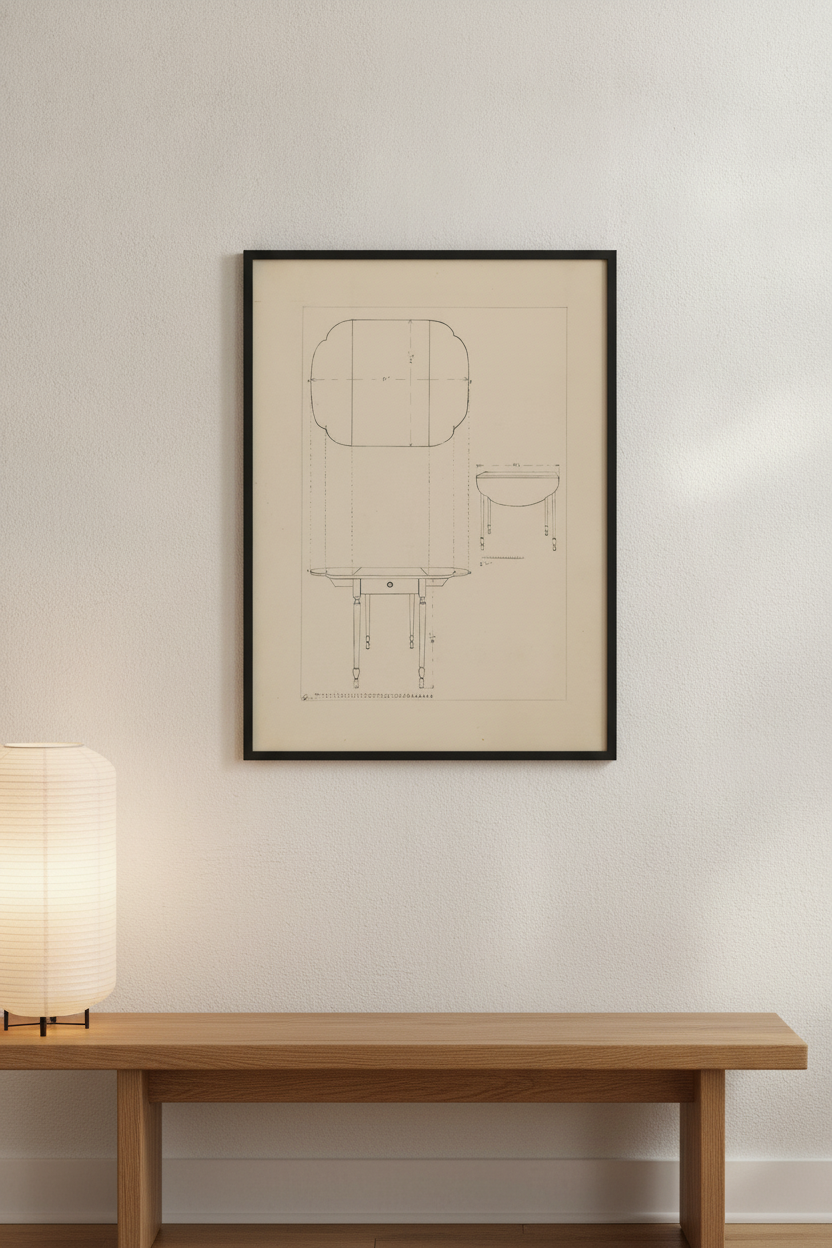
This classical discipline shines through even when applied to everyday, historical objects. A perfect example is the rendering of the Oval Table Drop Leaf. In this work, the clean lines of early American furniture are treated with the same meticulous care as a classical monument.
The symmetry of the drop-leaf table, the soft play of light on the wood grain, and the balanced composition turn a functional household object into a study of pure form. It shows that classical harmony is not just about grand historical themes—it is a way of seeing the world with clarity and respect.
Why Her Work Belongs in the Modern Home
Because Magnette’s work relies on a sophisticated, neutral color palette, her pieces are incredibly versatile for modern interiors. They do not compete with your existing decor; instead, they elevate it. A large canvas print of her work can anchor a minimalist living room, while a smaller framed print adds a touch of quiet intellect to a study or bedroom.
In a modern home, these works act as visual breathing room. They remind us of the beauty of order, the power of simplicity, and the timeless appeal of classical design.
Frequently asked questions
What art movement is Edith Magnette associated with?
Her work is deeply rooted in the Classical tradition and the academic standards of the late eighteenth and early nineteenth centuries, prioritizing symmetry, balance, and idealized forms.
How does her work fit into modern interior design?
Because of her muted color palettes, soft lighting, and clean compositions, her prints bring a sense of calm, order, and understated sophistication to modern, minimalist, or transitional spaces.
What makes her depiction of light so unique?
Magnette uses a delicate, sculptural handling of light and shadow, creating a soft, three-dimensional quality that gives her subjects a quiet, introspective presence.