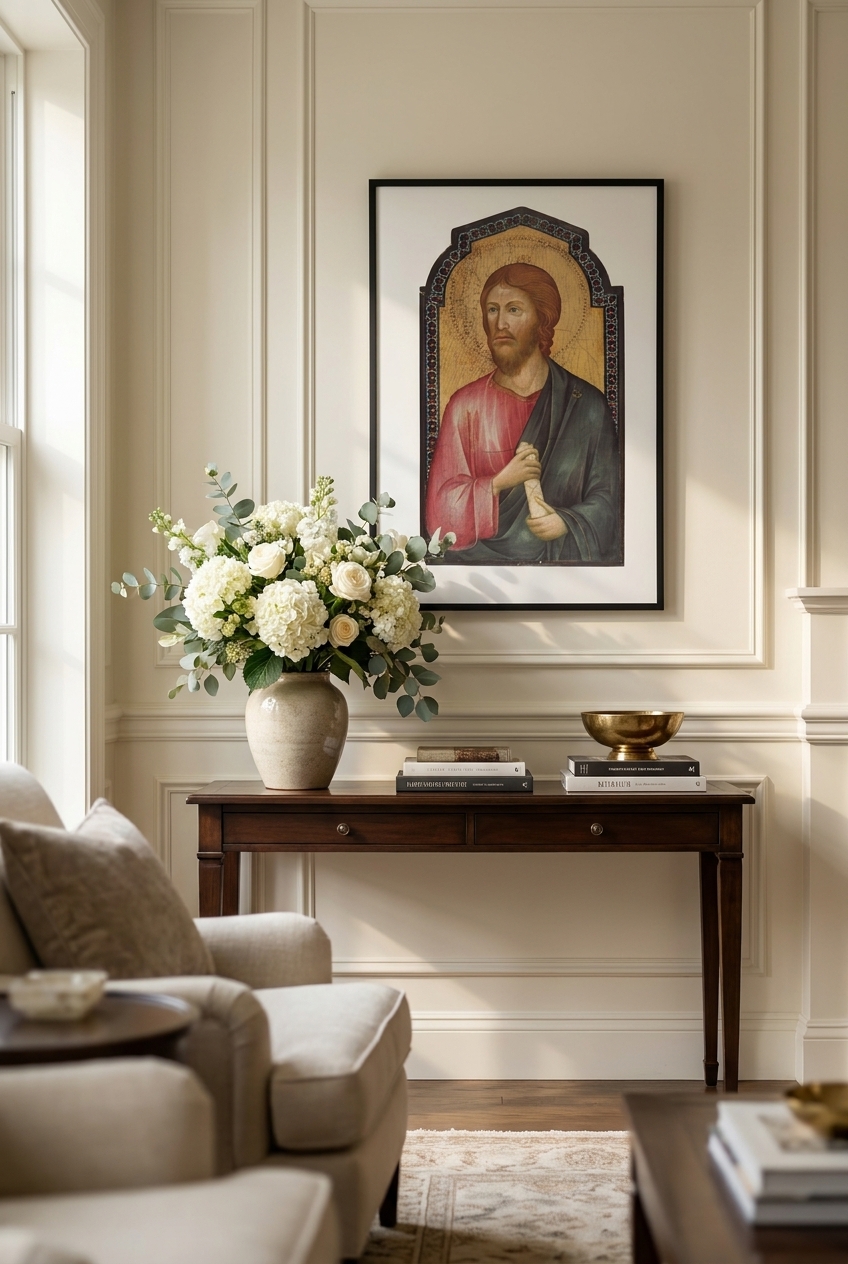
Styling the Quiet Home: How to Pair Classical Art with Warm Minimalism
In short: Elevate your minimalist home by pairing historical art with clean lines. Focus on texture, muted tones, and thoughtful framing to create a soulful, balanced space.
The Art of Restraint
Warm minimalism is more than just a design trend; it is a philosophy of curation. It traded the cold, sterile edges of early modernism for tactile materials, soft plaster walls, and a palette of oatmeal, linen, and warm oak. Yet, a common pitfall of the minimalist home is a lack of narrative. Without a sense of history, clean spaces can feel like showrooms rather than sanctuaries.
This is where classical art becomes transformative. Introducing a museum-quality reproduction into a contemporary, Scandinavian-inspired space creates a brilliant tension. The rich textures, deep shadows, and historical weight of classical pieces anchor a room, giving the eye a place to rest and the mind a story to contemplate.
Color Palettes and Contrast
When selecting art for a warm-minimalist space, color is your primary tool for cohesion. Instead of high-contrast, jarring palettes, look for works that share the earthy undertones of your room. Muted greens, sepia washes, and soft ochres blend seamlessly into Scandinavian interiors while adding subtle depth.
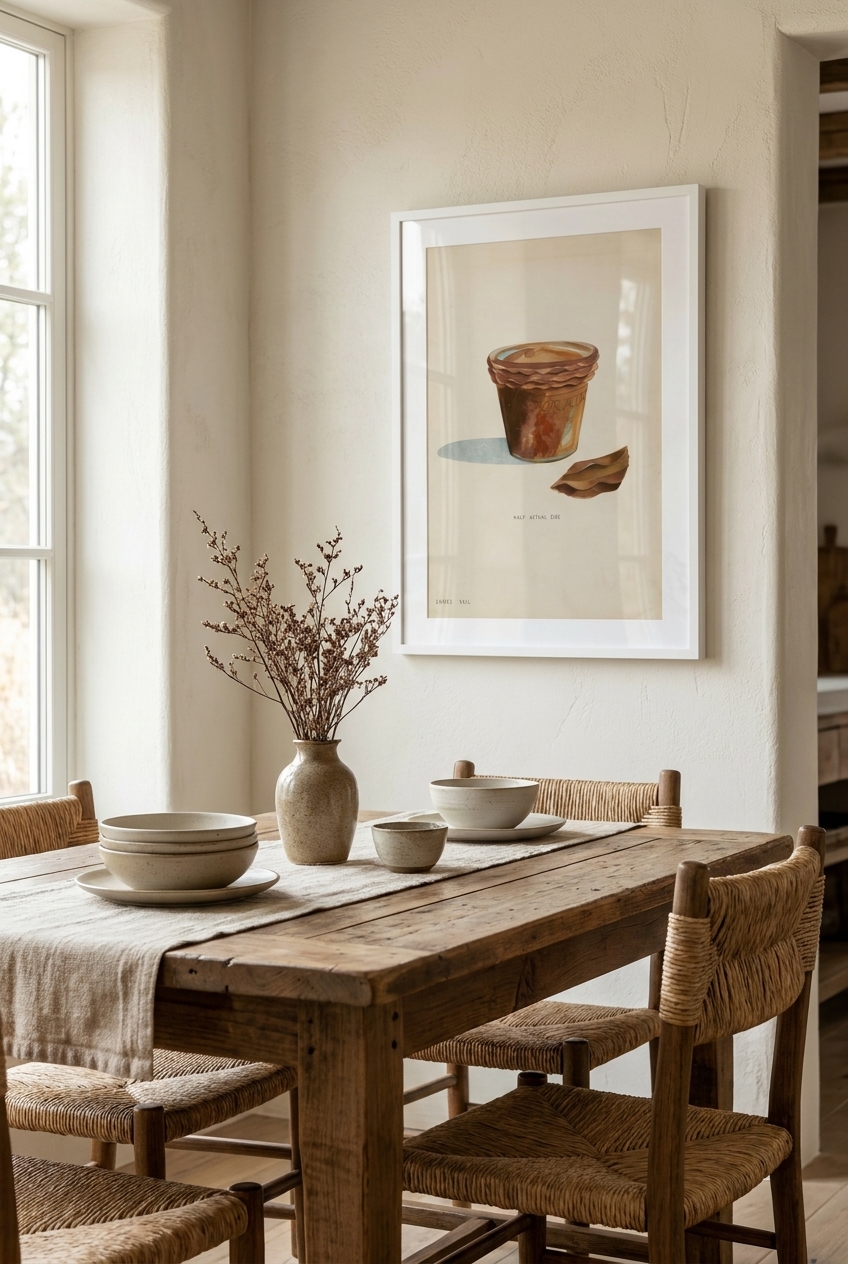
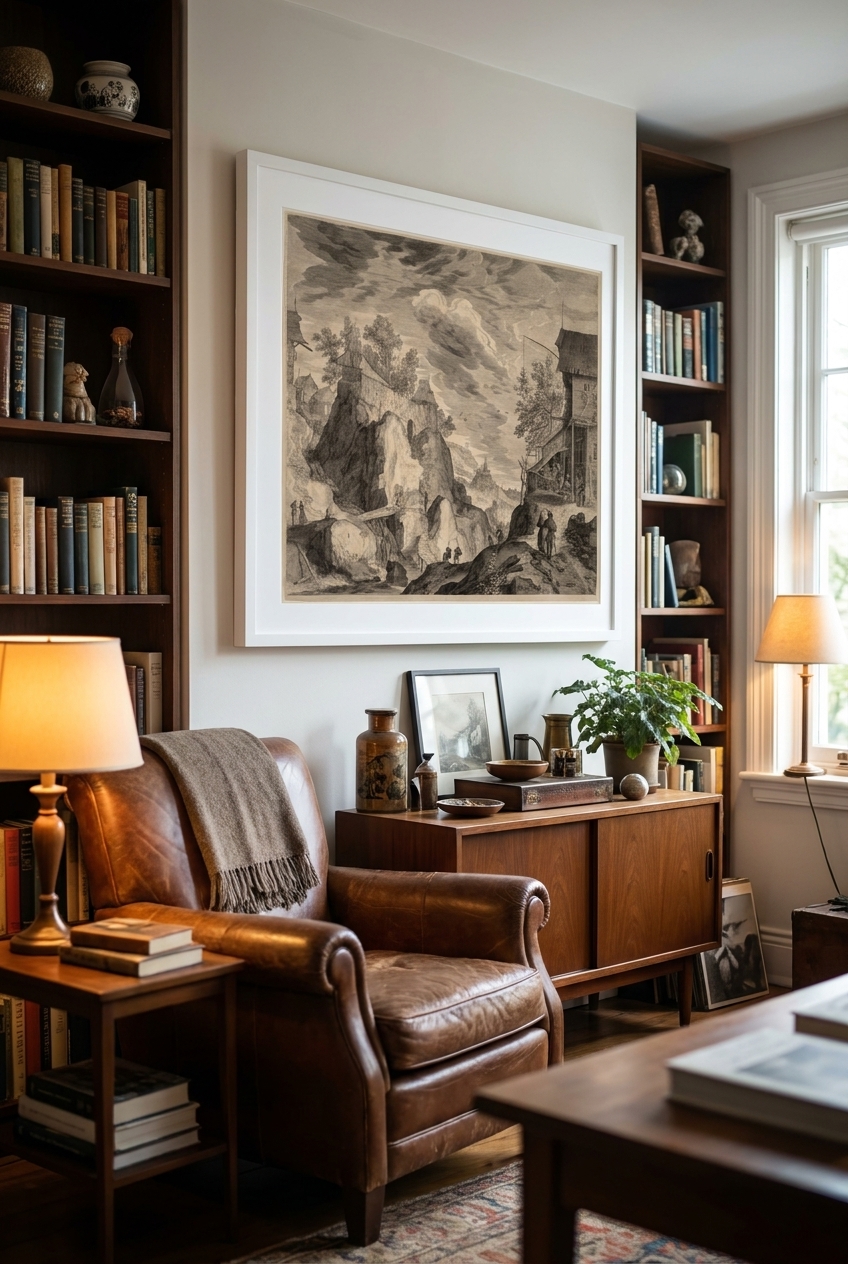
Consider the delicate, organic lines of James Vail's Flower Pot. Its earthy tones and honest, graphic simplicity respect the minimalist ethos while introducing a touch of mid-century warmth. If you prefer something grander, the intricate, atmospheric depth of Landscape with an Inn to the Right and House on Rocks to the Left offers a perfect balance. Its soft, monochromatic ink tones mirror the natural grain of white oak and limestone, bringing the quiet drama of the outdoors inside without overwhelming the senses.
Scale, Placement, and Framing
In a minimalist home, less is always more. Rather than cluttering your walls with a busy gallery arrangement, opt for a single, commanding hero piece. This approach honors the architecture of the room and allows the artwork to truly breathe.
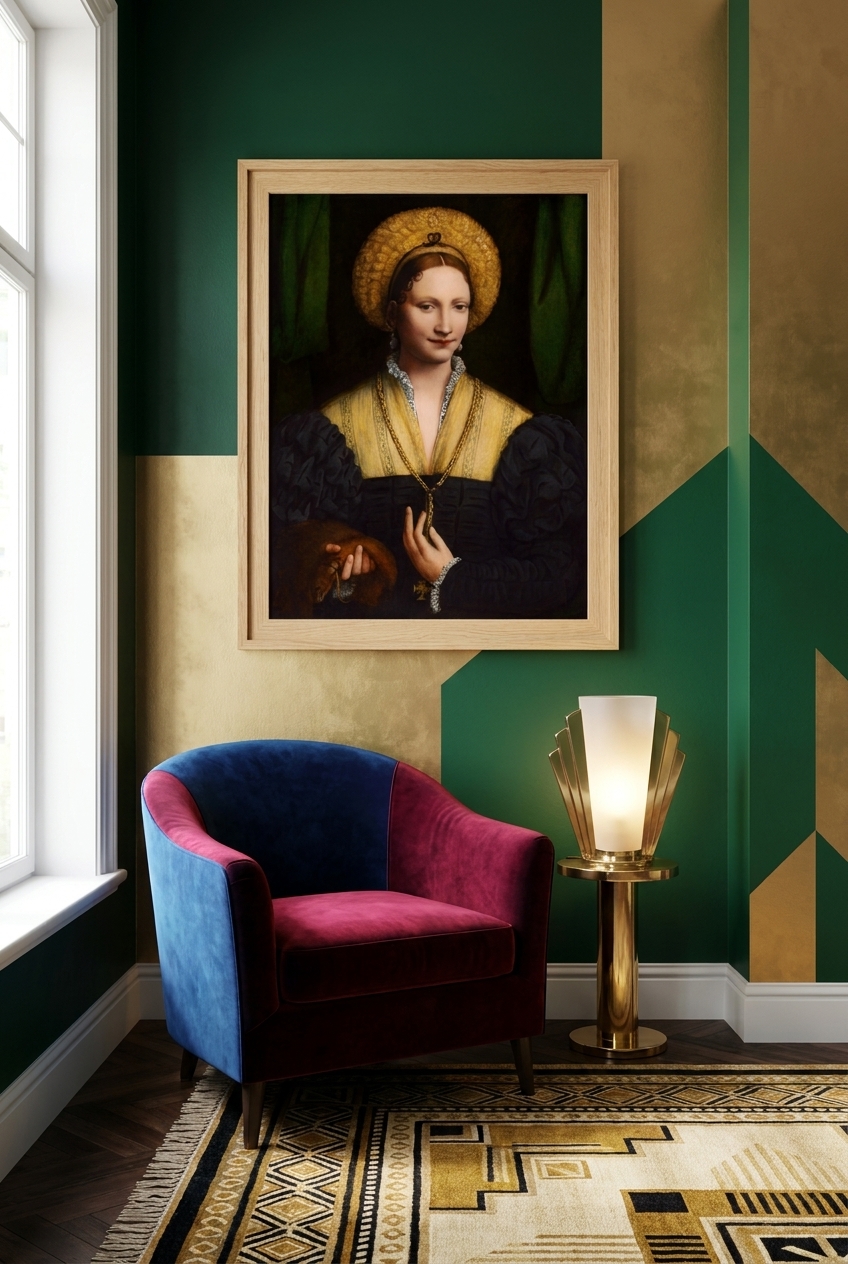
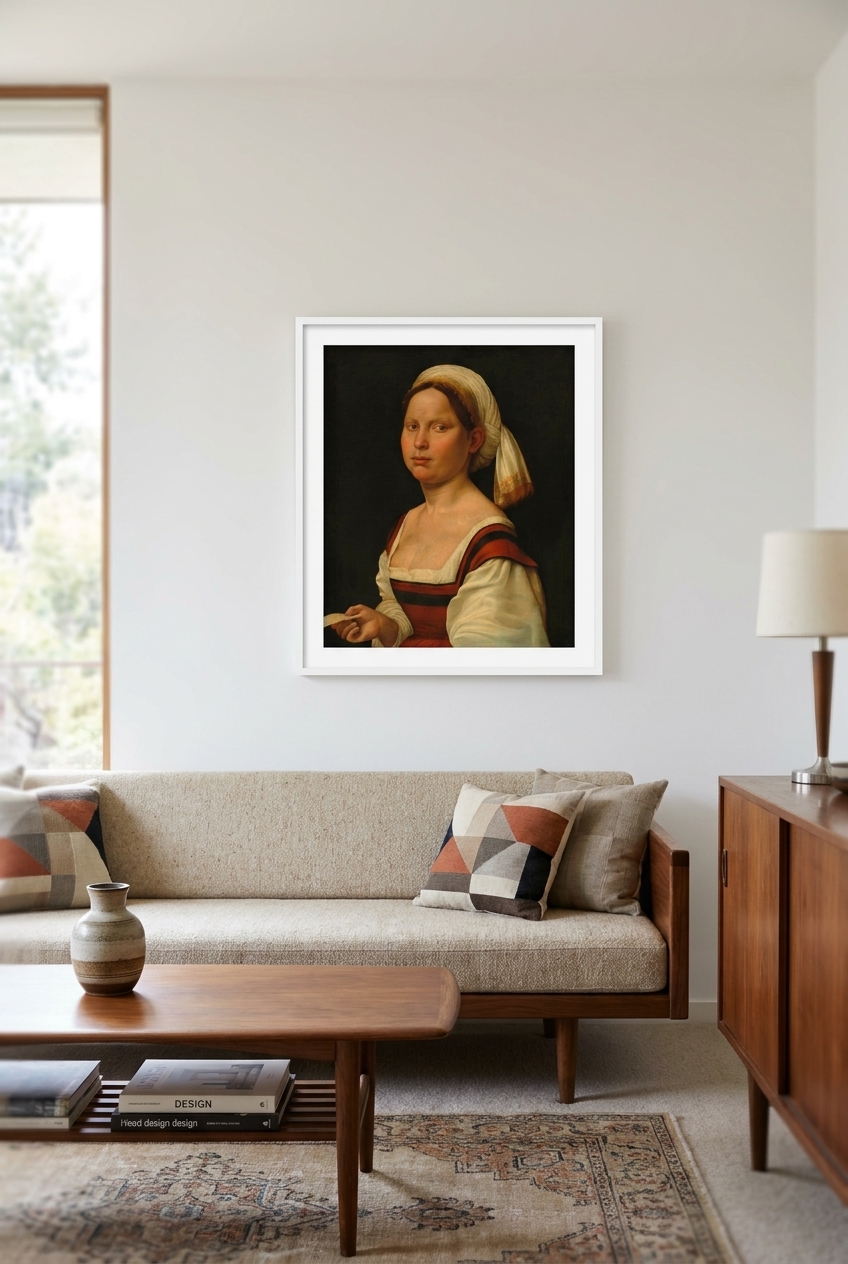
A striking portrait, such as Bernardino Luini's Portrait of a Lady, makes an exceptional focal point above a low-slung linen sofa or a minimalist credenza. The rich, dark background of the portrait recedes, while the luminous subject draws the viewer in, creating an intimate, gallery-like atmosphere.
To keep the look modern, pay close attention to framing. Avoid heavy, ornate plaster frames. Instead, choose clean-lined, thin wooden frames in natural oak, maple, or a dark walnut. A deep shadow-box frame or a simple float-mount will keep the focus entirely on the texture of the print while maintaining a clean, architectural silhouette.
The Power of Texture and Line
Minimalism relies heavily on texture to create warmth. When your walls are smooth and your furniture is sleek, you must look to other elements to introduce tactile variety. Historic prints, with their visible brushstrokes, canvas grain, and aged paper textures, provide this contrast beautifully.
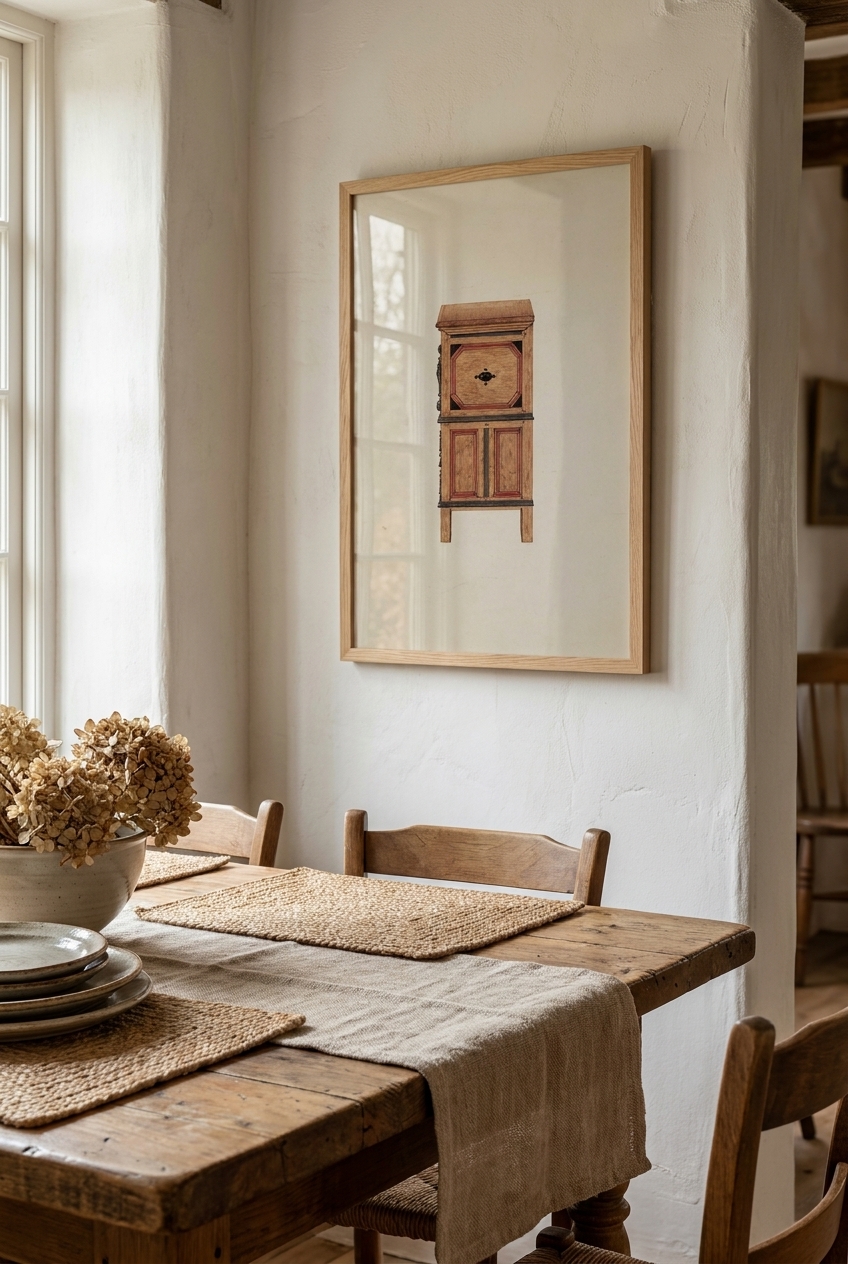
For an unexpected touch of rustic character, consider works that celebrate craftsmanship, like Martin Partyka's Two Drawer Sunflower Chest - side view. The folk-art textures and warm, golden tones of this piece pair beautifully with the clean, functional lines of Danish modern furniture. It acts as a bridge between the old world and the new, proving that a home can be both highly curated and deeply comfortable.
Frequently asked questions
Can I hang classical art in a room with modern furniture?
Absolutely. In fact, the contrast between the clean, geometric lines of modern furniture and the rich, organic textures of classical art is a hallmark of sophisticated interior design. It prevents the space from looking too sterile or dated.
What kind of frame works best for a warm-minimalist aesthetic?
Opt for simple, thin-profile wooden frames. Natural oak, ash, or maple work beautifully to complement Scandinavian wood tones. Avoid ornate, gilded frames, which can clash with the clean lines of minimalist spaces.
How do I choose the right size print for a minimalist room?
In minimalist design, scale is crucial. It is usually better to go larger than you think. A single, large-scale print creates a clean, intentional focal point, whereas multiple small prints can make a minimalist wall look cluttered.