The Ancestral Wall: Styling Classical Portraits for the Modern Home
In short: Transform your living space by curating a gallery wall of classical portraits. Learn how to mix eras, choose the right frames, and balance gazes for an elegant, curated home gallery.
The Power of the Gaze
There is an undeniable magic in entering a room and feeling a dozen eyes quietly turn to meet yours. A statement wall composed of classical portraits—often called an 'ancestral wall'—lends a home an immediate sense of history, intellect, and soul. Unlike abstract art or landscapes, which open windows to other worlds, portraits populate a room. They bring character, quiet companionship, and a touch of theatrical intrigue to modern living spaces.
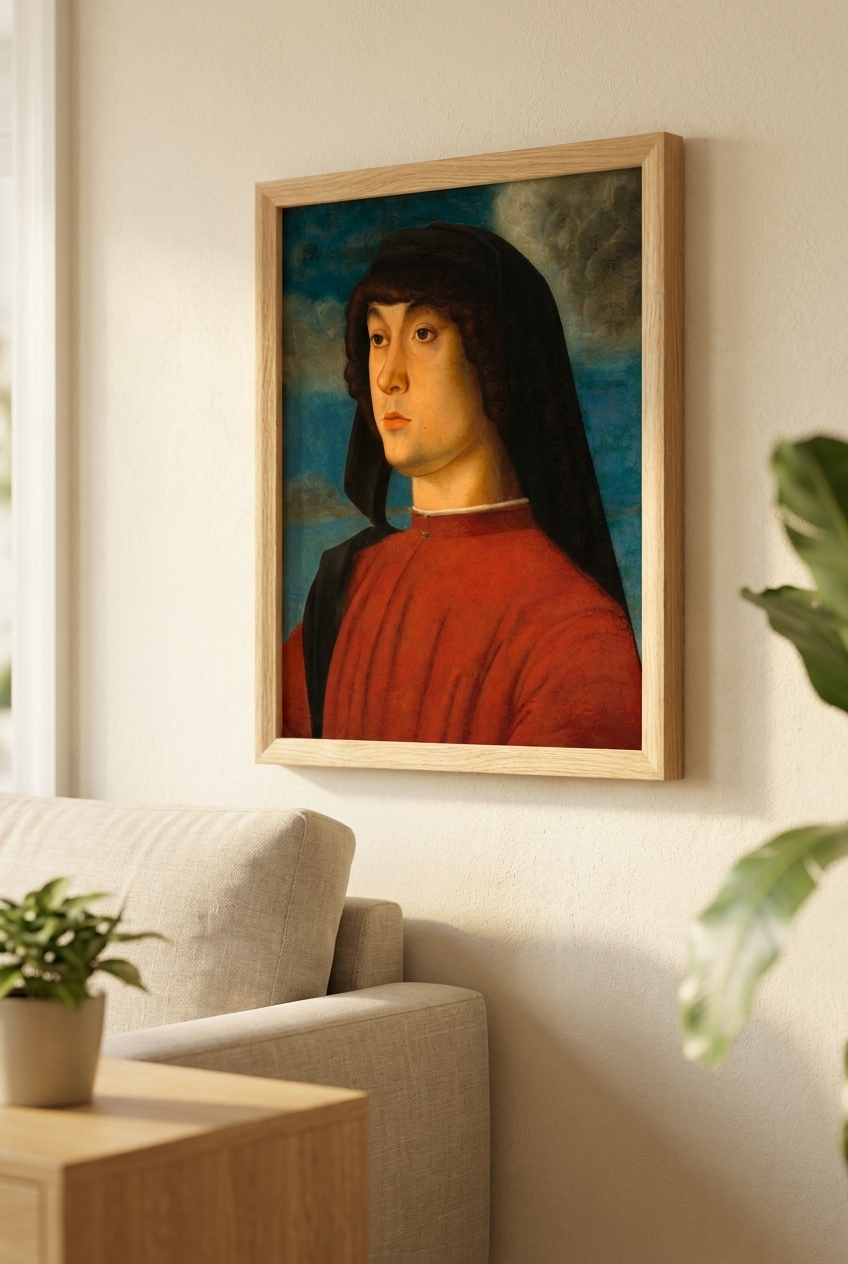
To build a successful portrait wall, you do not need actual aristocratic ancestors. Instead, you need a curated collection of high-quality reproductions that speak to one another across the centuries. A vibrant starting point might be the striking crimson of Giovanni Bellini's Portrait of a Young Man in Red, which instantly draws the eye and establishes a warm, confident color anchor for the rest of your collection.
Curating the Mix: Eras, Tones, and Textures
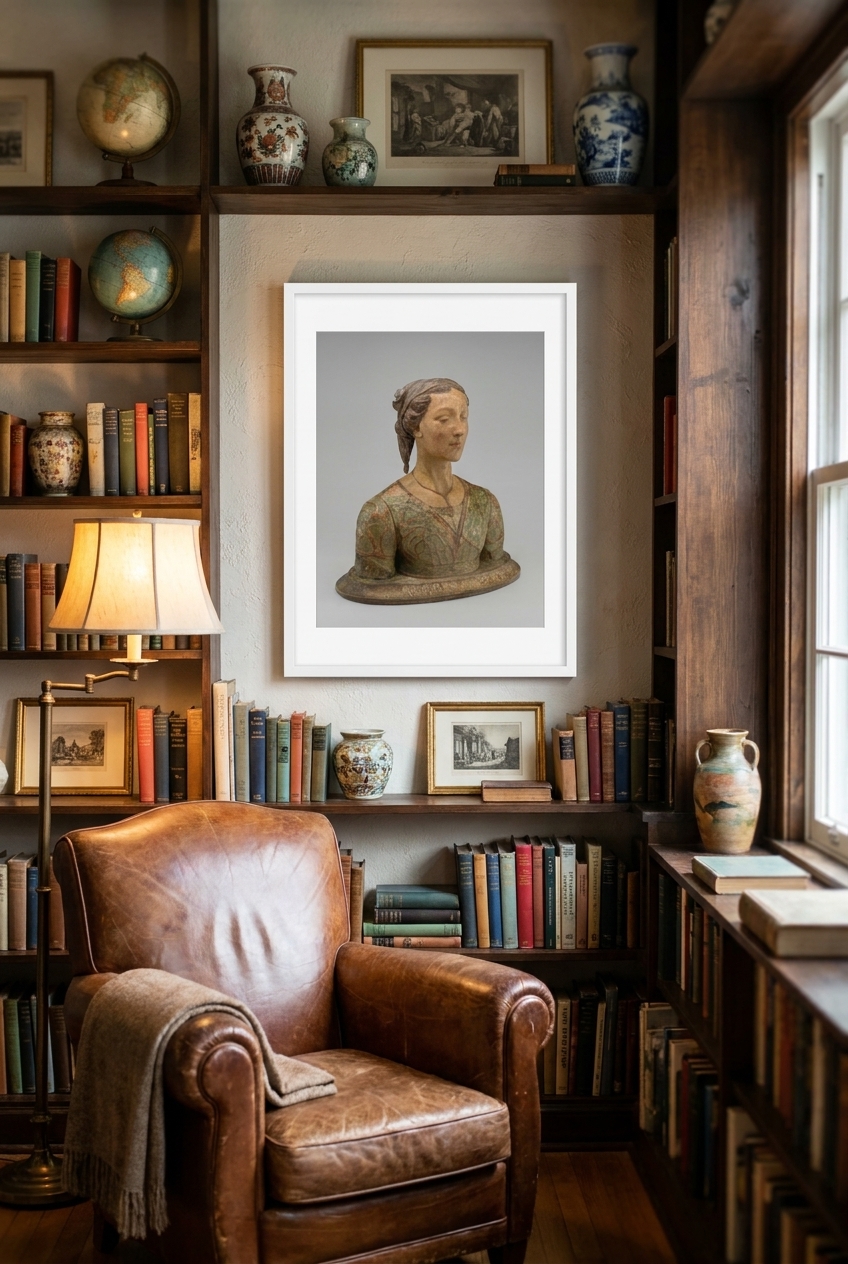
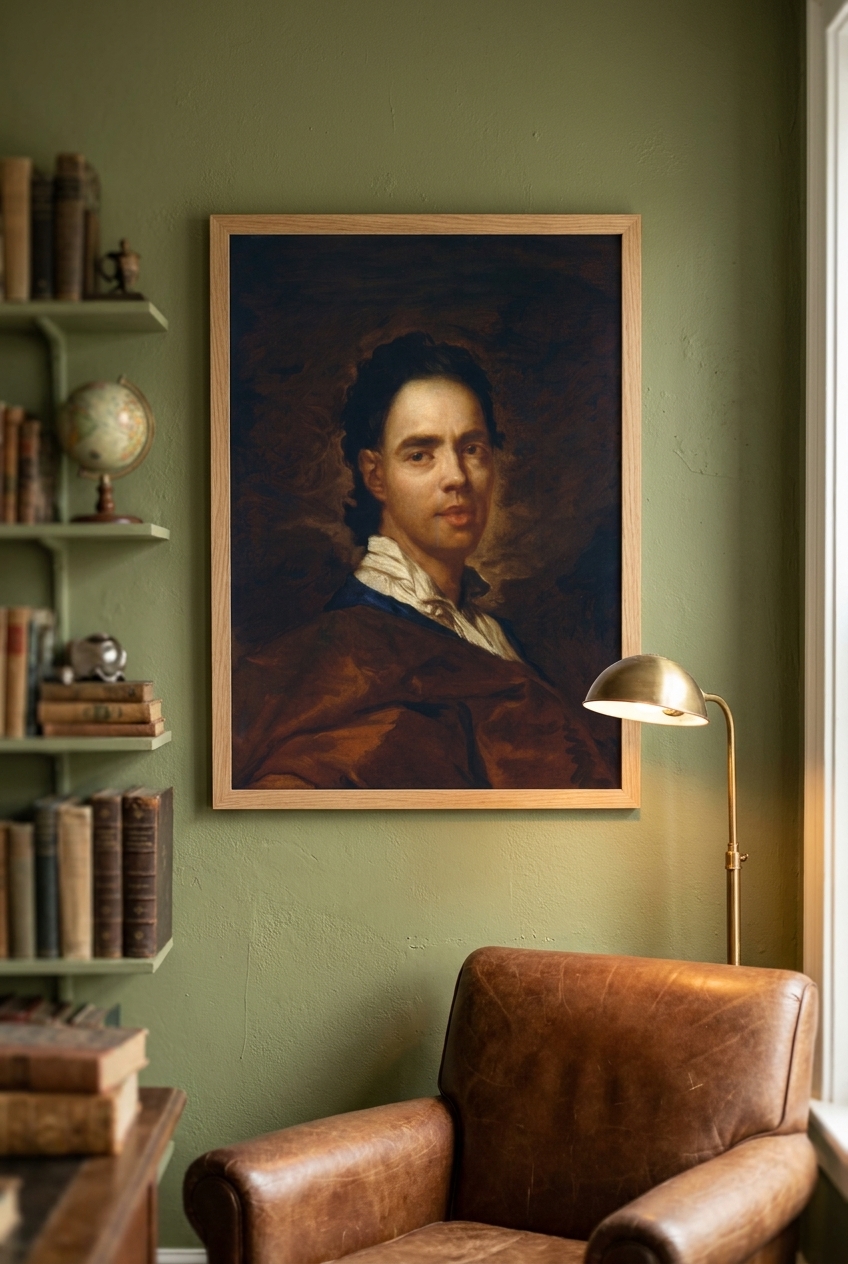
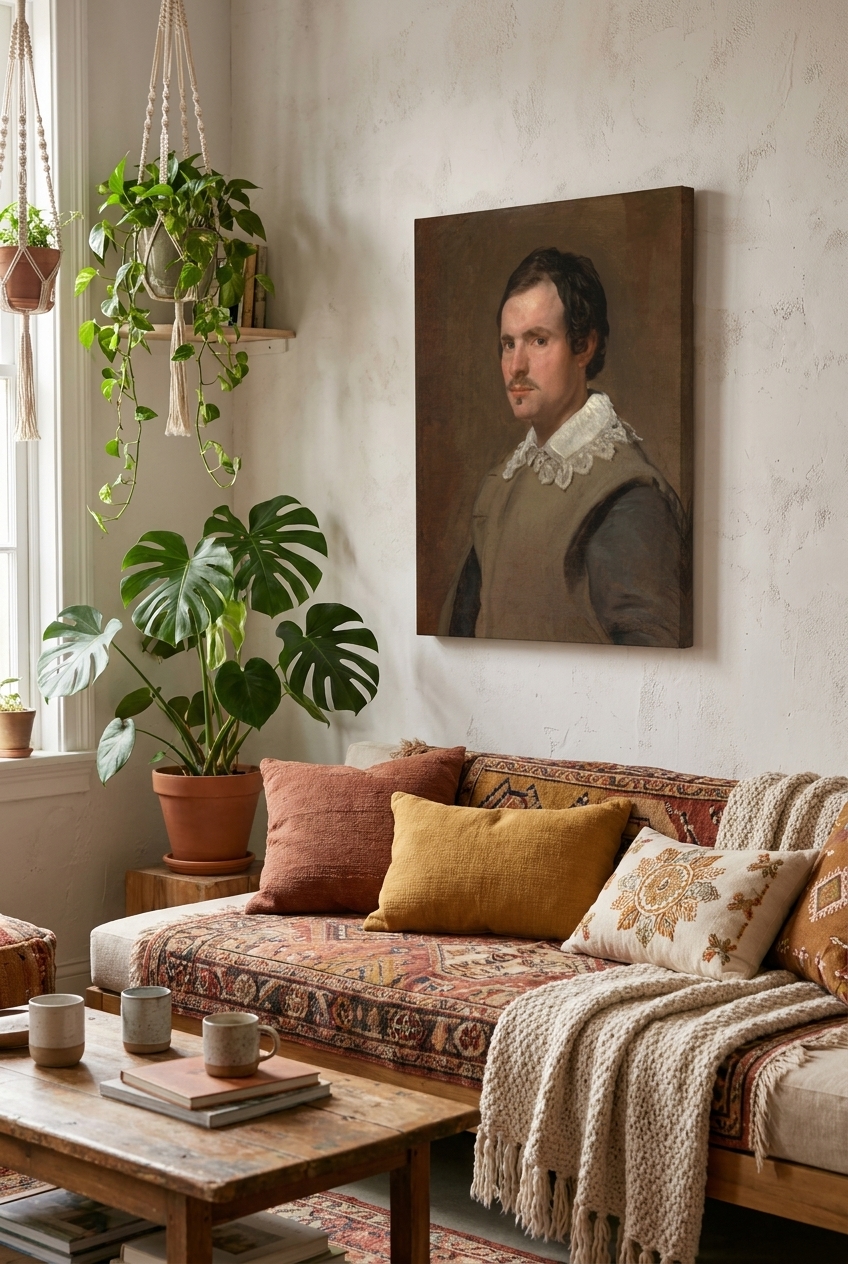
The secret to a sophisticated portrait wall lies in deliberate contrast. If you hang only Renaissance merchants or only Victorian ladies, the effect can feel stiff or museum-like. Instead, aim for an eclectic mix of eras, lighting styles, and moods. Pair the deep, atmospheric shadows of the Spanish school, such as the Portrait of a Young Man from the mid-seventeenth century, with the sculptural, profile-focused elegance of the nineteenth-century Portrait of a Lady, "Giovanna Albizzi".
By mixing the high-contrast drama of chiaroscuro with the soft, linear purity of profile portraits, you create visual rhythm. Consider these elements when selecting your portraits:
- Color Palettes: Balance moody, dark backgrounds with sudden pops of vermilion, gold, or crisp white collars.
- Angles: Mix direct, forward-facing gazes with three-quarter views and strict profiles to keep the wall dynamic.
- Subject Age: Intersperse youthful, soft faces with weathered, character-filled older subjects to add narrative depth.
Scale, Framing, and Placement
To keep your gallery wall looking like a curated collection rather than an accidental accumulation, pay close attention to framing and scale. A modern interior benefits from a mix of framing styles. Try pairing a few heavily ornamented, antiqued gilt frames with simple, dark-stained wood frames. This juxtaposition prevents the wall from feeling too heavy or dated, allowing it to sit comfortably alongside contemporary furniture like a sleek boucle sofa or a minimalist marble console.
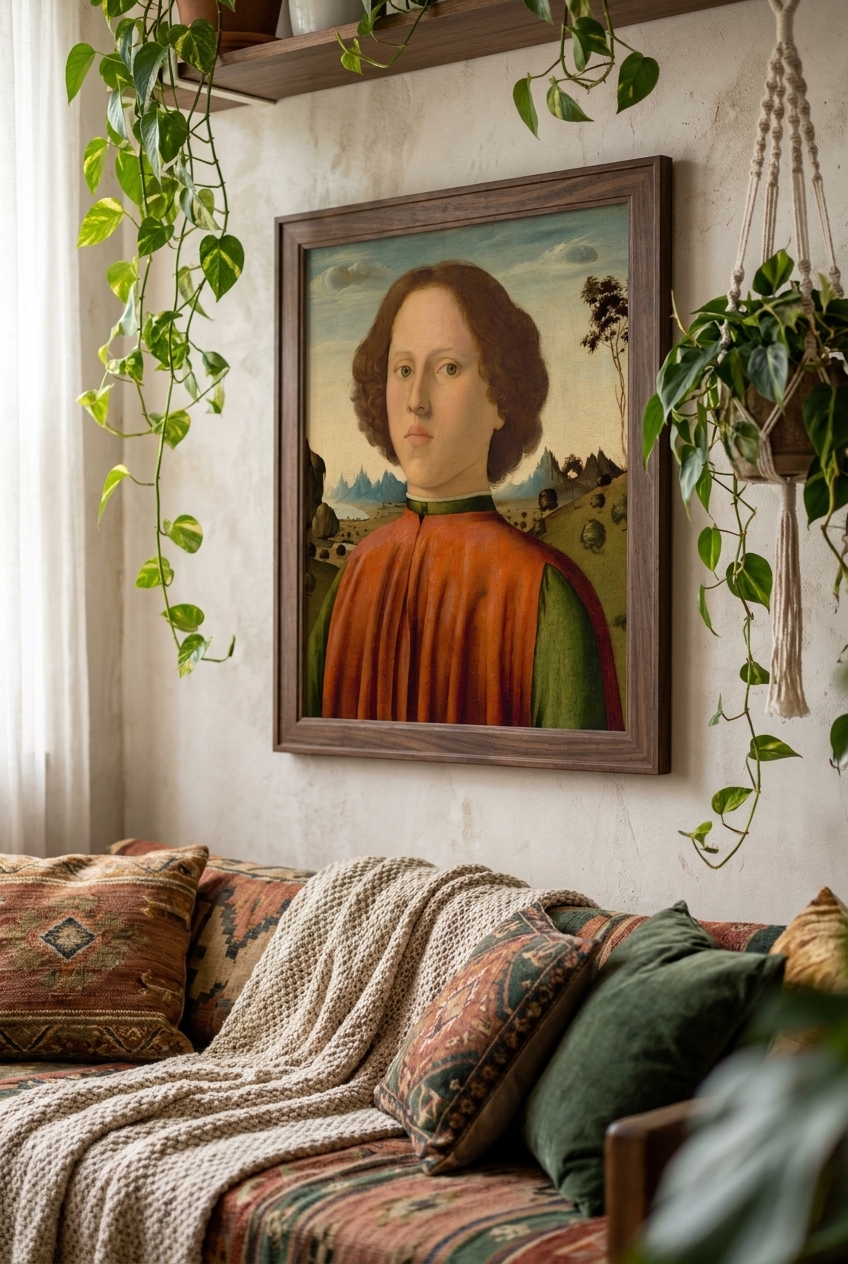
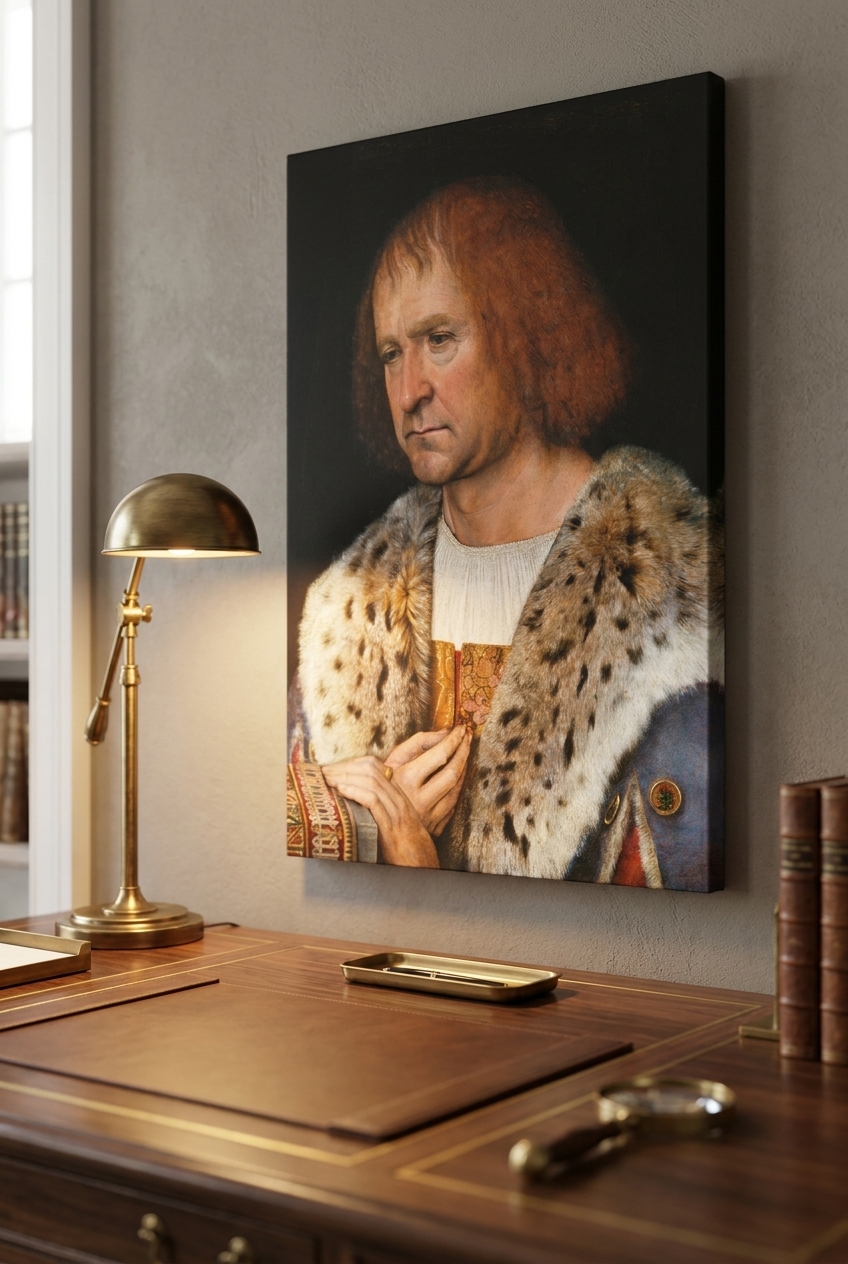
Scale is equally crucial. Rather than lining up prints of identical sizes, choose one or two larger 'hero' pieces to anchor the arrangement. Michel Sittow's exquisite Portrait of Diego de Guevara (?) makes an excellent focal point. Hang your hero piece slightly off-center at eye level, then cluster smaller portraits around it, leaving three to four inches of breathing room between frames.
Dialogue and Composition
When arranging your portraits, think of them as guests at a dinner party. You want to orchestrate a silent conversation. If two subjects are painted in profile, hang them so they look toward one another rather than off the edges of the wall. If a subject has a dramatic, sweeping gaze to the left, position them on the right side of your arrangement so their eyes draw the viewer back into the center of the gallery.
Ultimately, a classical portrait wall is a celebration of human expression. By combining different faces, eras, and frames, you create a rich visual tapestry that feels deeply personal, sophisticated, and endlessly fascinating to explore.
Frequently asked questions
Can I mix classical portraits with modern furniture?
Absolutely. In fact, classical portraits look exceptionally striking when paired with clean, modern lines. The contrast between a minimalist sofa or a sleek metal console and the rich, detailed textures of a Renaissance or Baroque portrait creates a sophisticated, layered look.
How do I choose the right frames for a portrait wall?
For a curated, collected-over-time aesthetic, mix your frames. Combine ornate, antiqued gold frames with simpler dark wood or thin black frames. This prevents the wall from looking too uniform or overly formal.
What is the best way to arrange the portraits?
Start by placing your largest or most striking portrait at eye level, slightly off-center. Arrange the smaller portraits around it. Ensure that subjects in profile look inward toward the rest of the collection, directing the viewer's eye back into the gallery.