The Art of Balance: A Reader’s Guide to Classicism
In short: Classicism is art's ultimate balancing act. Rooted in ancient ideals of symmetry and restraint, this enduring style brings a sense of calm, order, and quiet beauty to modern walls.
The Search for Perfect Harmony
At its heart, Classicism is not just a historical period, but a state of mind. It is the artistic impulse that favors order over chaos, clarity over confusion, and restraint over wild emotion. Whenever the world feels too loud or chaotic, artists tend to look backward to the ancient Greeks and Romans, who believed that beauty could be measured in perfect proportions, symmetry, and balance.
You can recognize classical art by its clean lines, quiet compositions, and a sense of timeless stillness. Instead of capturing a fleeting, dramatic moment, classical artists seek to capture the eternal essence of their subjects. The colors are often harmonious and controlled, the figures are poised, and the background elements are carefully arranged to guide your eye smoothly across the canvas.
From the 18th Century to the Modern Era
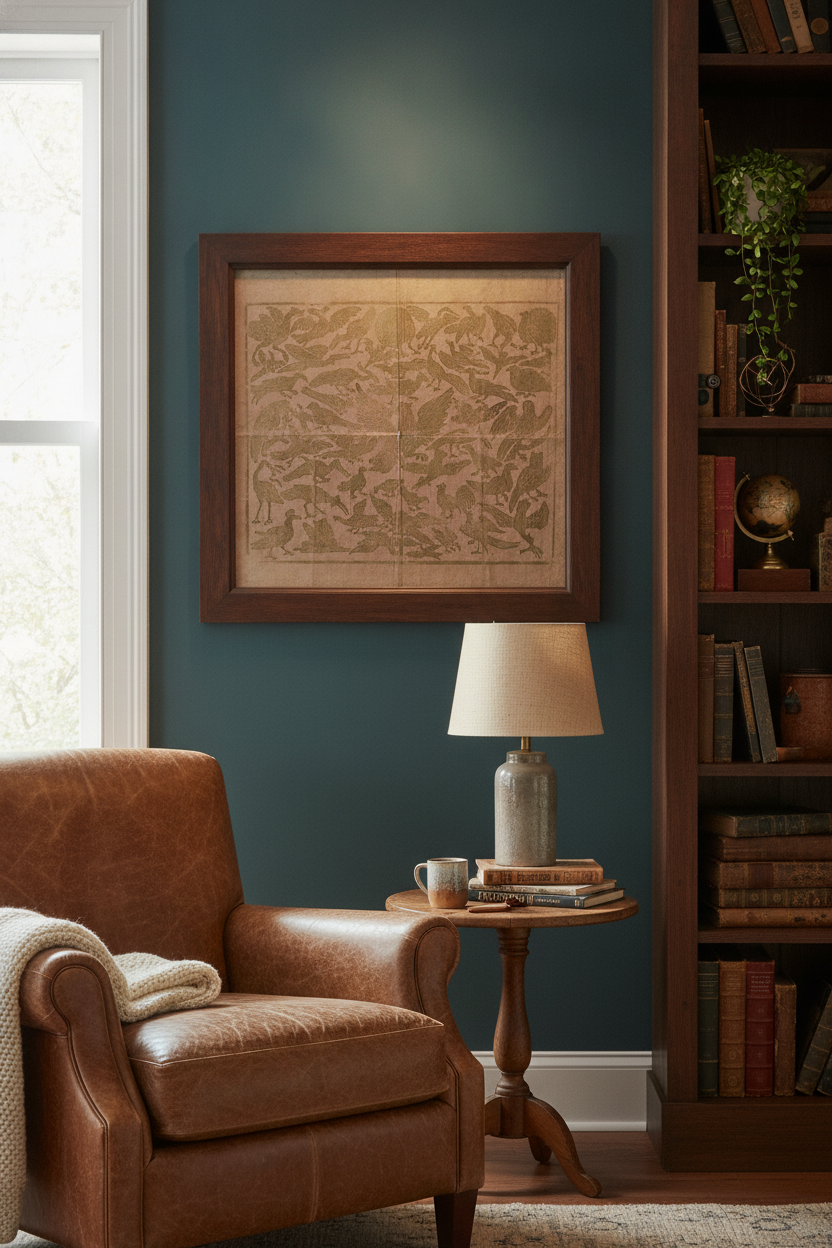
While we often associate Classicism with grand marble statues and epic historical paintings, its principles filtered down into everyday life in delightful ways. During the 18th century, Europe experienced a massive classical revival. This wasn't just for palaces; it influenced home decor, textiles, and paper crafts. A beautiful example of this is the Endpaper with Birds, a German work from around 1780. It shows how the era's love for balance and structured natural motifs could turn a simple decorative pattern into a small masterpiece of quiet elegance.
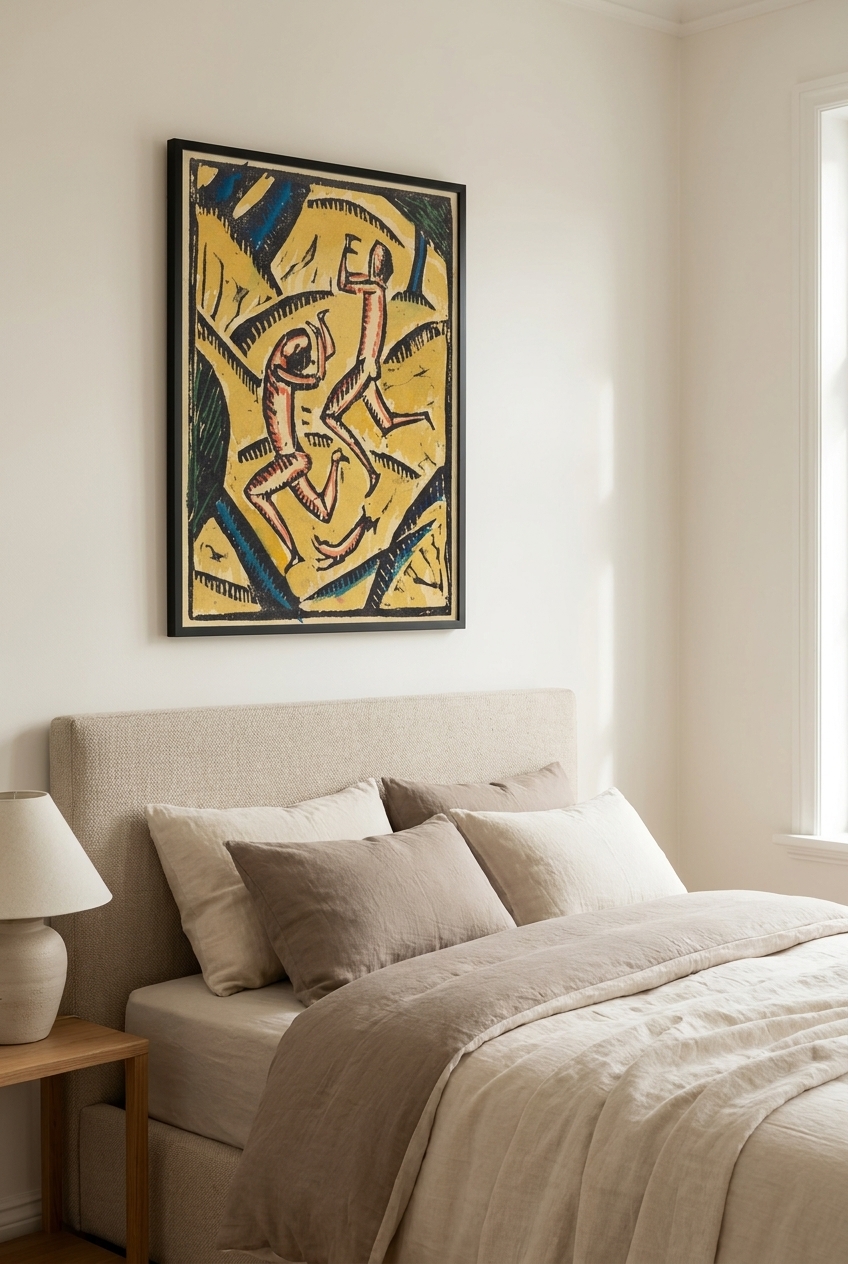
Even as the art world rushed into the modern age, the classical urge never truly disappeared. In the early 20th century, many modernists looked back to classical forms to find their footing amid rapid industrial change. The artist Max Zachmann embraced this in his work Two Nude Dancers in a Landscape from around 1913, blending the ancient, pastoral ideal of figures in nature with a bold, modern sensibility.
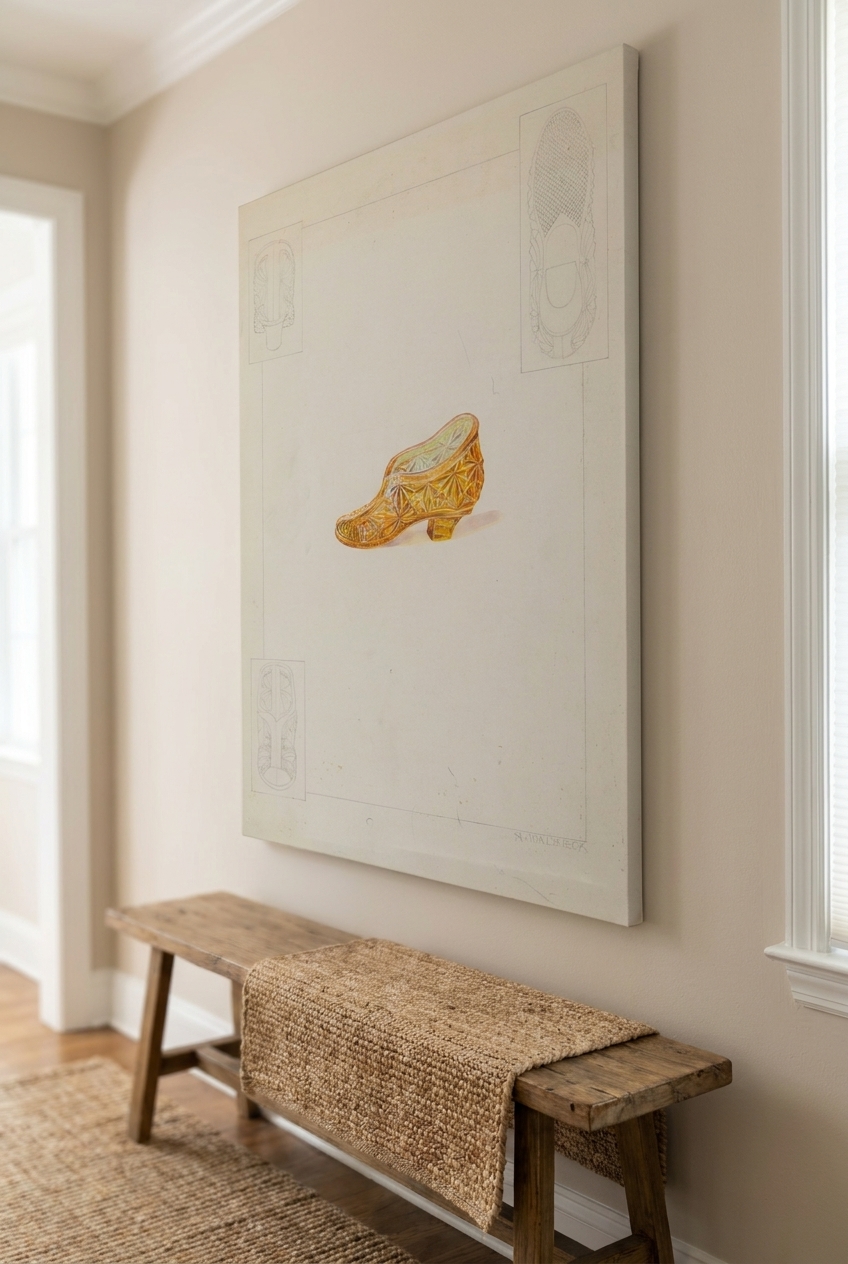
A few decades later, during the 1930s, a movement known as the 'return to order' saw artists rejecting chaotic abstraction in favor of solid, reassuring forms. Alfred Walbeck's Flower Holder, created around 1936, perfectly captures this late classical spirit. It celebrates clean lines, structural weight, and functional beauty, proving that classical principles can make even the most utilitarian subjects feel monumentally elegant.
How to Live with Classical Art
Classicism is incredibly versatile when it comes to home decor. Because these pieces are built on principles of balance and harmony, they naturally bring a sense of calm to any room they inhabit. They act as visual anchors, making them perfect for busy spaces like living rooms or entryways where you want to create a welcoming, serene atmosphere.
If your home leans modern or minimalist, a classical print provides a beautiful counterpoint, adding depth and history without clashing with your clean lines. For traditional spaces, classical art feels right at home, reinforcing the architectural symmetry of the room. When framing these pieces, consider simple, elegant profiles—a thin black wood frame or a delicate gold leaf frame will respect the artwork's inherent balance without distracting from its quiet beauty.
Frequently asked questions
What is the difference between Classicism and Neoclassicism?
Classicism is the broad, overarching aesthetic philosophy based on the art of ancient Greece and Rome. Neoclassicism is a specific historical movement, primarily in the 18th and 19th centuries, that deliberately revived these ancient styles as a reaction against the highly decorative Rococo style.
Why does classical art feel so calming to look at?
Classical art relies heavily on symmetry, the golden ratio, and balanced compositions. The human brain naturally processes these balanced structures with less effort, which induces a psychological feeling of order, stability, and calm.
Can classical art work in a highly modern, minimalist home?
Absolutely. Because classical art focuses on clean lines, essential forms, and restrained color palettes, it pairs beautifully with modern minimalism. It adds a layer of warmth, history, and texture without cluttering the space.