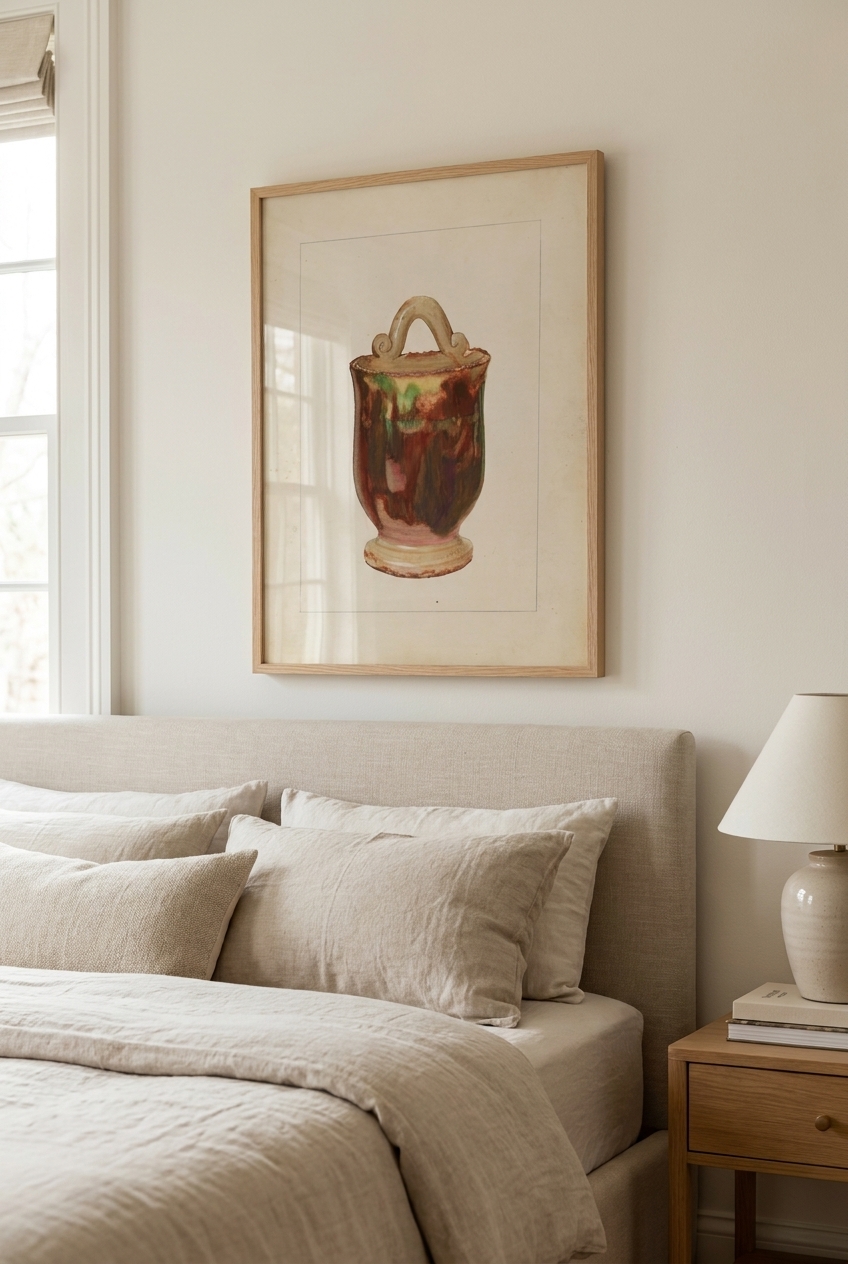
The Art of Balance: Embracing Classical Harmony with John Fisk
In short: John Fisk’s art channels the balance and harmony of the classical tradition, offering a peaceful, structured retreat for contemporary walls.
The Quiet Order of John Fisk
In a world that often feels loud and fragmented, there is a deep, instinctual comfort in symmetry. The work associated with John Fisk taps directly into this human craving for balance. Rooted firmly in the traditions of the Classical school, these compositions reject the chaotic rush of modern life. Instead, they look back to the academic principles of the eighteenth and nineteenth centuries, where art was a pursuit of idealized beauty, structural harmony, and intellectual poise.
To look at a piece from this tradition is to step into a space of quiet permanence. The art does not shout for attention; it invites you to sit, breathe, and observe. Through a meticulous restraint, Fisk crafts scenes that feel both grounded and elevated. If you are looking to bring this sense of calm into your own home, you can explore the full John Fisk collection to find a piece that speaks to your space.
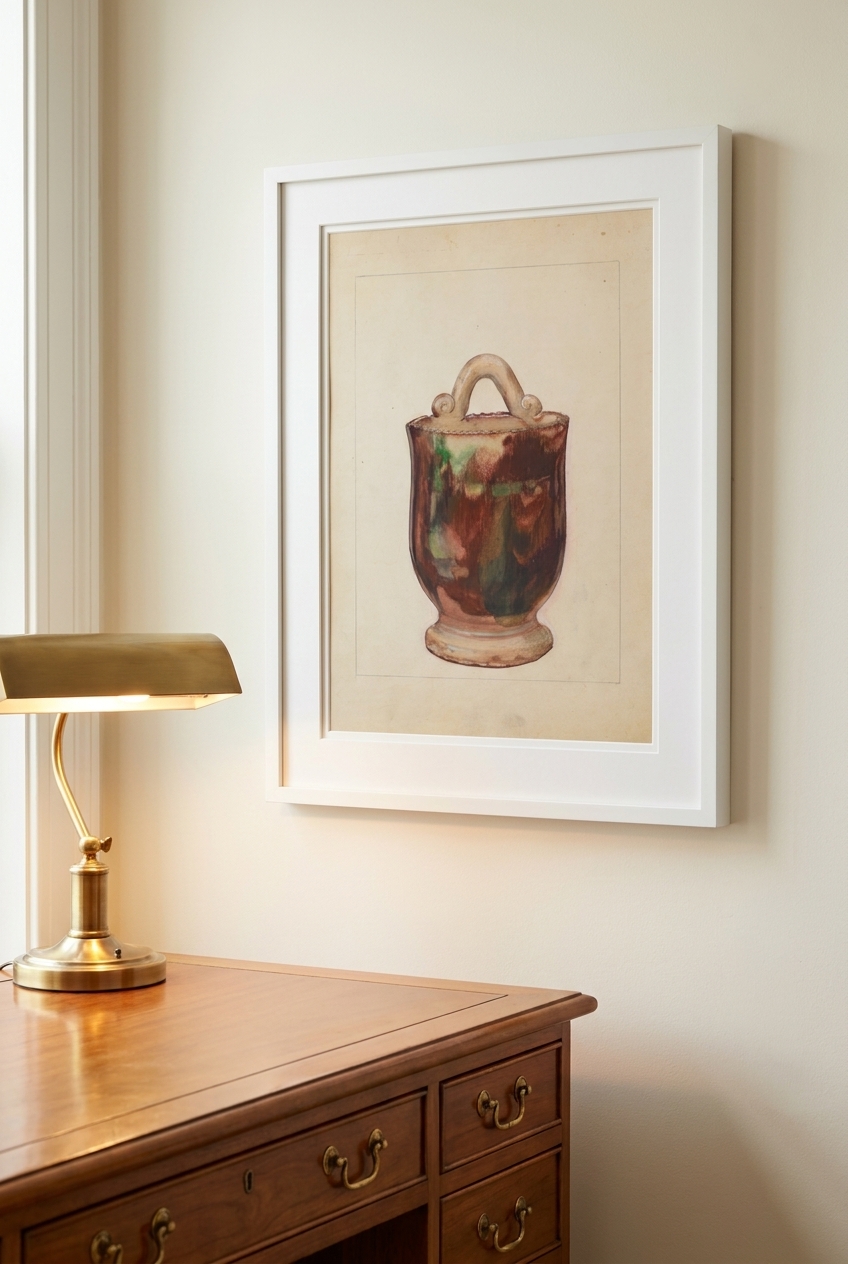
Draftsmanship, Light, and Earth Tones
What makes this classical style so arrestingly peaceful? The secret lies in the masterful balance of soft, diffused atmospheres with incredibly precise draftsmanship. There is no guesswork in these lines; every curve, edge, and shadow is rendered with deliberate care and structural harmony.
The palette is deliberately restrained, dominated by muted earth tones—warm ochres, soft umbers, and gentle, stony greys. Rather than using bright, jarring colors, the work relies on subtle chiaroscuro—the contrast between light and dark—to give subjects weight and presence. Whether depicting a serene landscape or a simple, poised object, the light seems to glow from within, casting a gentle, timeless warmth over the entire composition.
A perfect example of this refined approach is the piece Wall Pocket for Flowers (c. 1936), which showcases how everyday subjects can be elevated into a study of classical dignity and form.
Why Classical Art Belongs in the Modern Home
It might seem counterintuitive to hang classical art in a modern, minimalist home, but the two styles actually share a fundamental DNA: a love for clean lines, open space, and a lack of unnecessary clutter. Classical pieces act as a visual anchor. In a room filled with clean-lined modern furniture, a classical print adds a layer of history, warmth, and depth without disrupting the room's sense of order.
When reproduced as a high-quality fine-art print or a textured canvas, the subtle shifts in earth tones and the delicate play of light are beautifully preserved. These pieces do not just decorate a wall; they transform the atmosphere of a room, creating a sanctuary of quiet contemplation. They remind us that beauty does not need to be loud to be incredibly powerful.
Frequently asked questions
What defines the Classical school of art seen in John Fisk's work?
The Classical school is defined by a devotion to order, symmetry, and idealized beauty. It draws inspiration from historical academic principles, prioritizing structural harmony, precise draftsmanship, and a refined, intellectual approach to light and form over spontaneous or chaotic expression.
What color palette is typical of these pieces?
The palette is characterized by muted earth tones, including soft ochres, warm umbers, and subtle greys. These quiet tones work together with gentle chiaroscuro (the contrast of light and dark) to create a soft, diffused atmosphere that feels timeless and calming.
How do these classical prints fit into contemporary interior design?
Because classical art emphasizes balance, symmetry, and restraint, it complements modern and minimalist spaces beautifully. It provides a warm, historic focal point that grounds a room without clashing with clean lines and contemporary furniture.