The Art of Detail: A Reader’s Guide to Classical Realism
In short: Classical Realism bridges traditional academic techniques with a deep reverence for the physical world. Explore how mid-century American artists captured exquisite textures, from delicate wax flowers to intricate needlework, and learn how to bring these timeless, tactile masterpieces into your home.
The Quiet Power of Looking Closely
There is a rare kind of magic that happens when an artist looks at an object with absolute, undivided attention. In a world that often rushes past the details, Classical Realism asks us to slow down and stand still. Emerging from the rich traditions of the European academies—championed by masters like Alphonse Legros—this movement is built on a simple but profound belief: that the physical world, when rendered with supreme technical skill, is more than enough to capture the human soul.
Unlike modern movements that seek to distort or abstract reality, Classical Realism honors it. It is not merely about copying what is there; it is about understanding the underlying structure, the play of light, and the weight of form. When you look at a classical realist piece, you are seeing the culmination of centuries of artistic discipline, revived with a fresh, quiet passion that feels incredibly grounding in our fast-paced modern lives.
The American Revival and the Magic of Texture
In the mid-20th century, a remarkable group of American artists took these rigorous academic principles and applied them to the beauty of everyday objects and historic crafts. This was not a cold, academic exercise. Instead, artists like J. Howard Iams, Carl Buergerniss, and Max Soltmann brought a warm, deeply human touch to their subjects. They realized that a handmade quilt, a carved wooden figure, or a simple arrangement of wax flowers carried a quiet dignity worthy of the highest art.
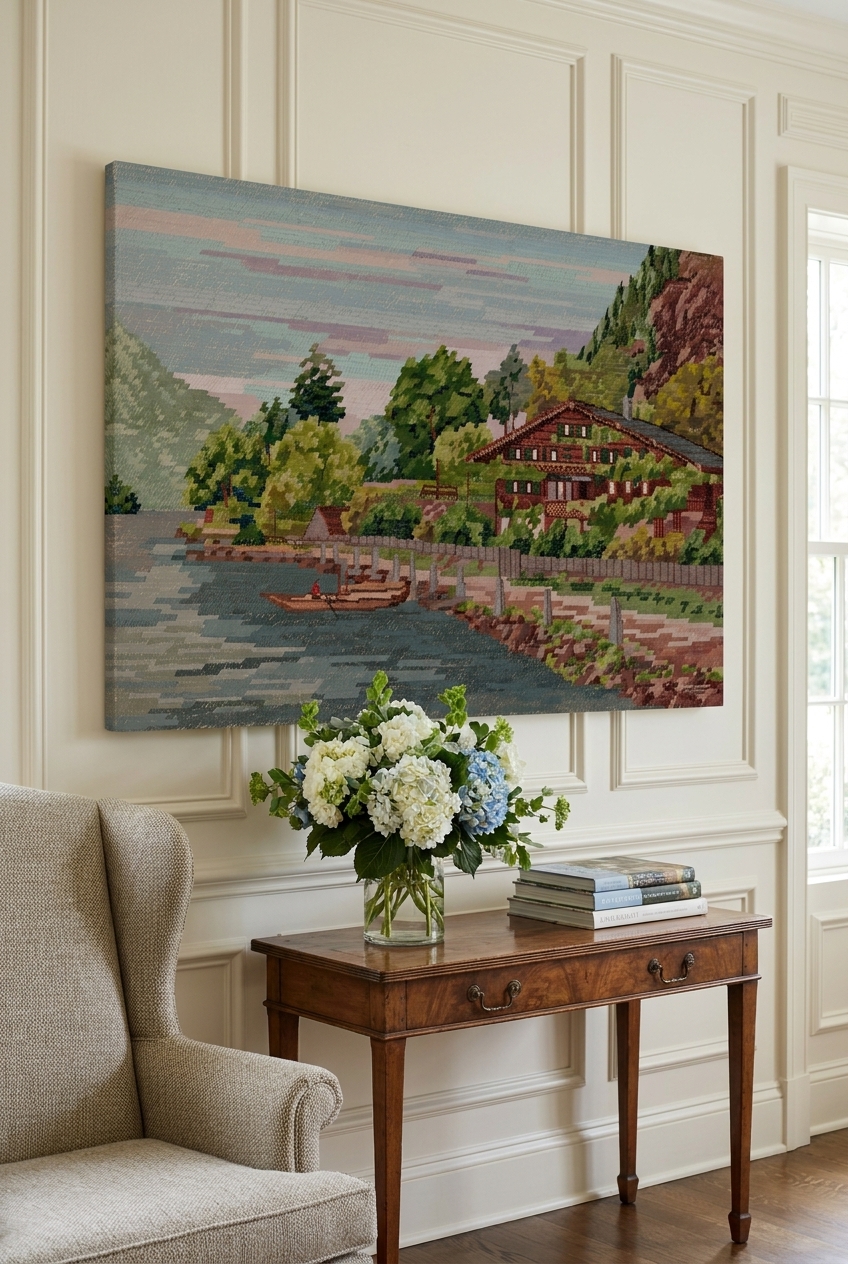
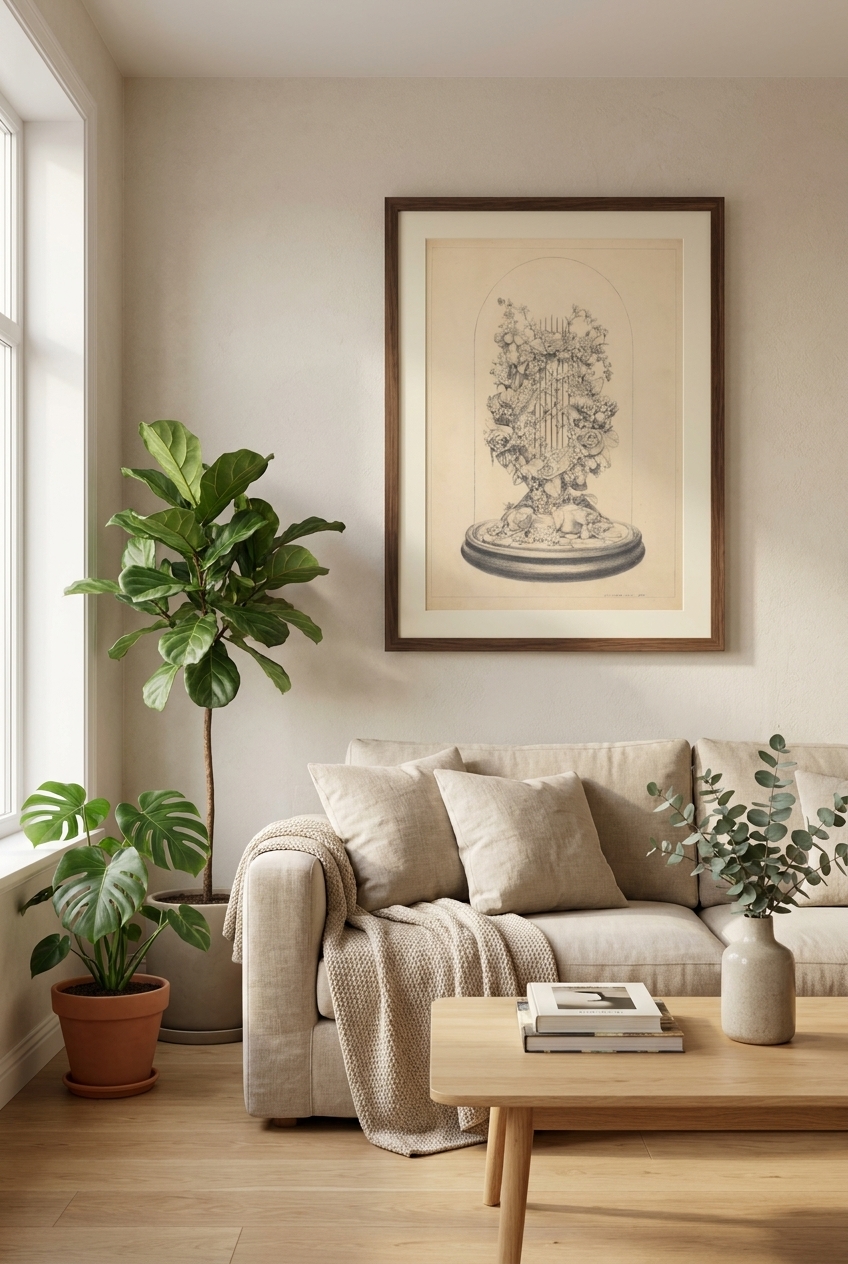
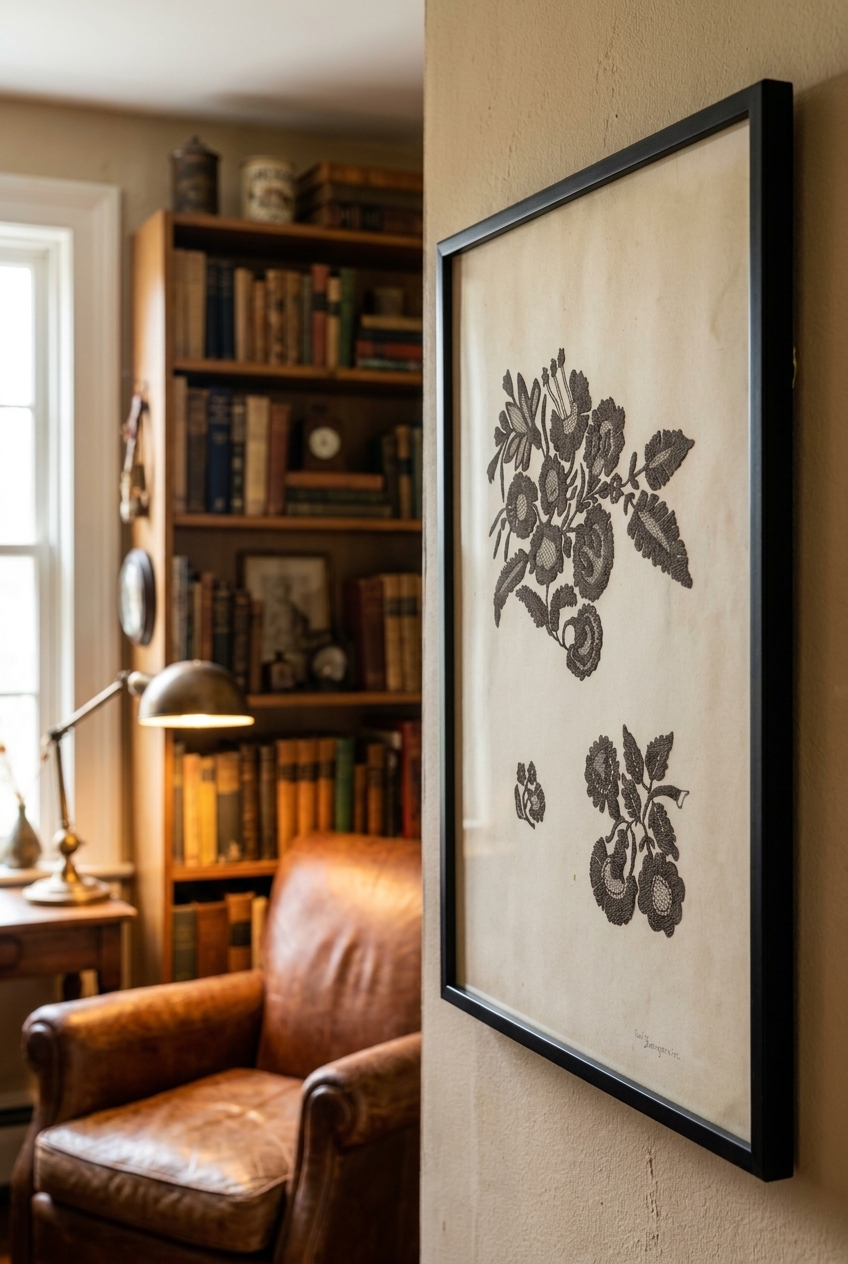
Consider the astonishing depth in "Glass Globe - Wax Flowers" (1937). Here, Iams captures the delicate, semi-translucent quality of wax petals preserved under glass. The reflection on the dome, the soft shadows, and the rich, dark background create a sense of quiet reverence. Similarly, in "Embroidered Flower Motif" (1941), Buergerniss renders every single stitch of thread with such precision that you can almost feel the texture of the fabric beneath your fingers. This is the heart of the movement: making the tactile world felt through the eyes.
Still Lifes that Breathe
The still life has always been the ultimate testing ground for the classical realist. Without the distraction of narrative or movement, the artist must rely entirely on composition, light, and form to hold the viewer's gaze. It requires an extraordinary level of patience to paint the subtle curve of a ceramic vase or the soft drape of a tablecloth so convincingly that the object seems to possess its own quiet life.
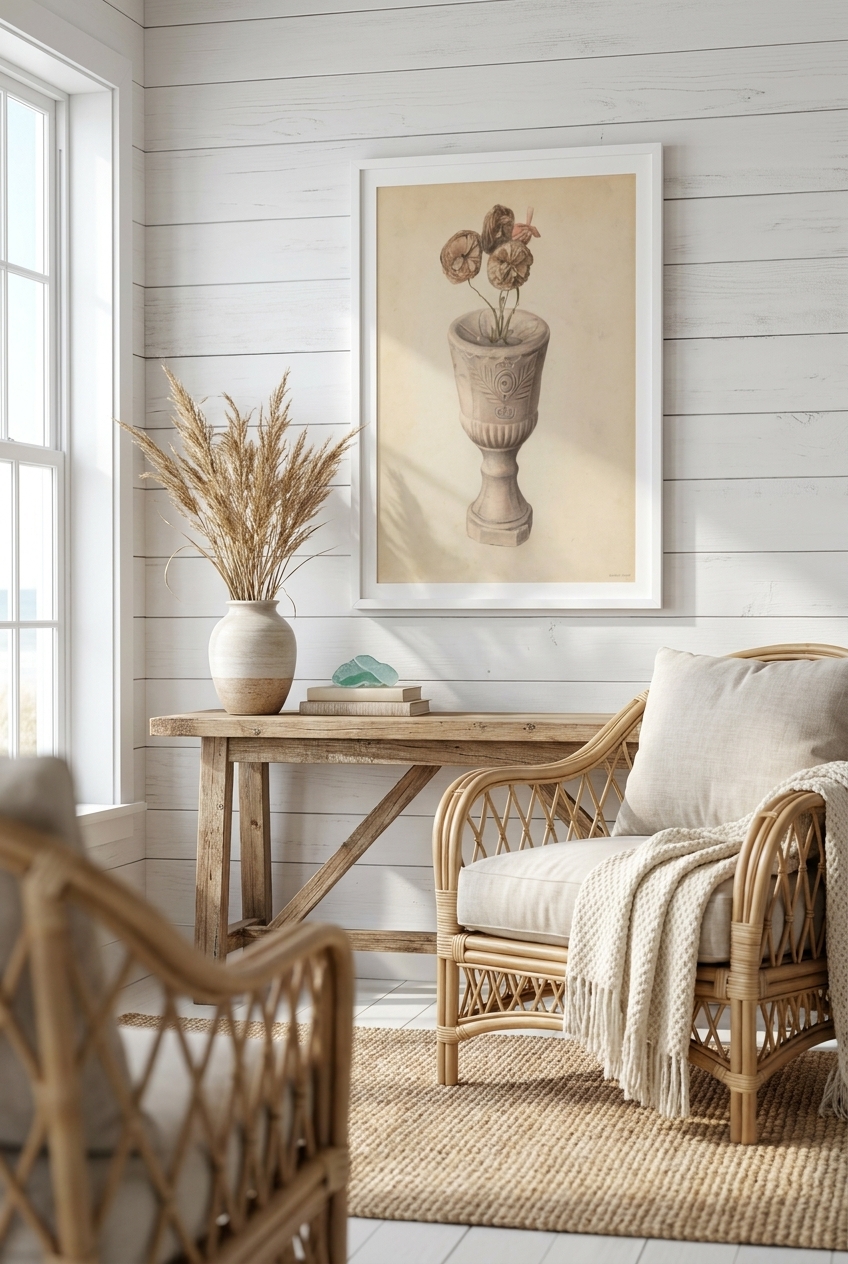
We see this mastery beautifully displayed in "Chalice with Flowers" (c. 1937) by Mina Lowry. The composition is balanced and serene, yet the vibrant colors and rich textures give it an undeniable presence. Another spectacular example is "Flower Urn" (1935/1942), where Clarence W. Dawson plays with light and shadow to give the floral arrangement a sculptural, three-dimensional quality. These works do not shout for attention; instead, they invite you in, offering a moment of calm contemplation every time you look at them.
Bringing Timeless Order into the Modern Home
Why does Classical Realism continue to captivate us today? In an era dominated by digital screens and fleeting trends, these artworks offer something permanent and tangible. They bring a sense of order, balance, and warmth to any space they inhabit. Because they are rooted in classical principles of harmony, they have a unique ability to bridge different interior styles.
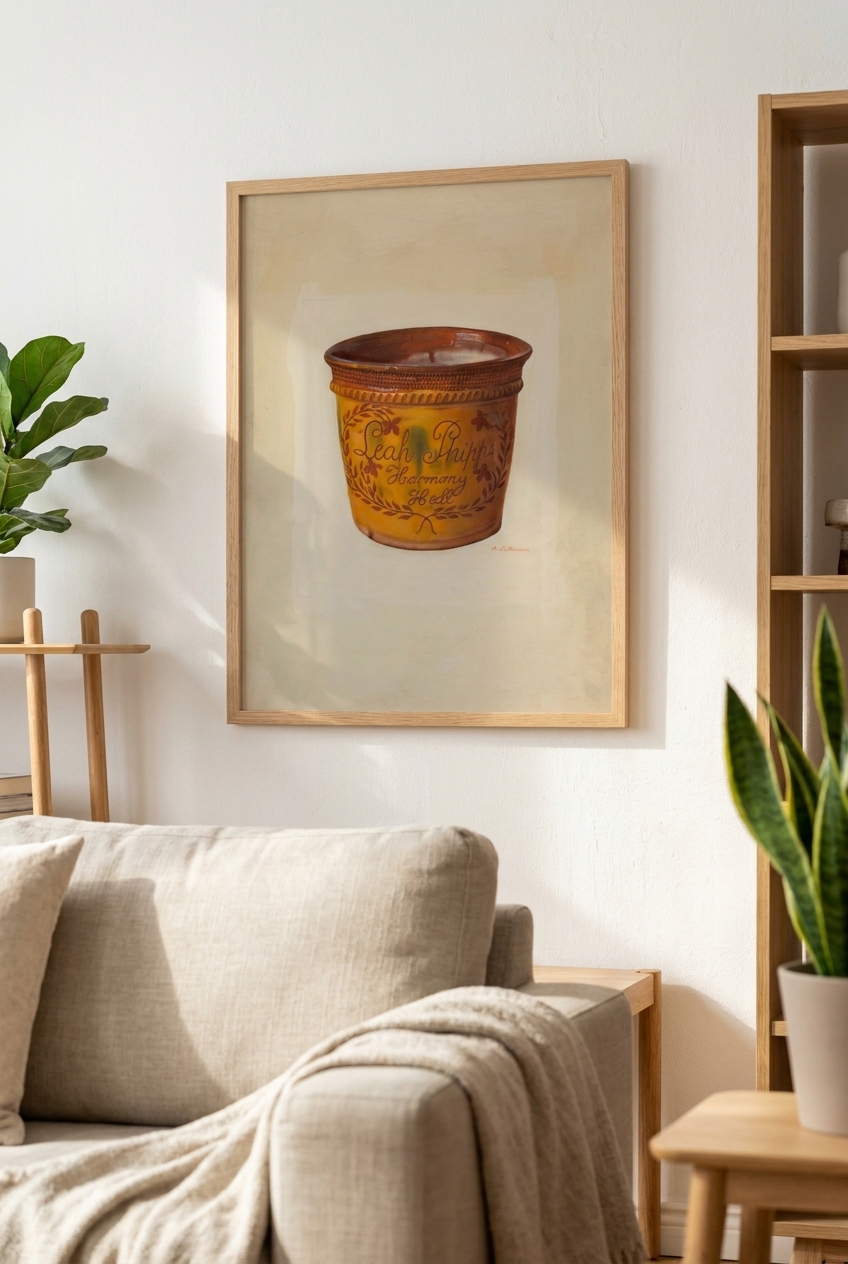
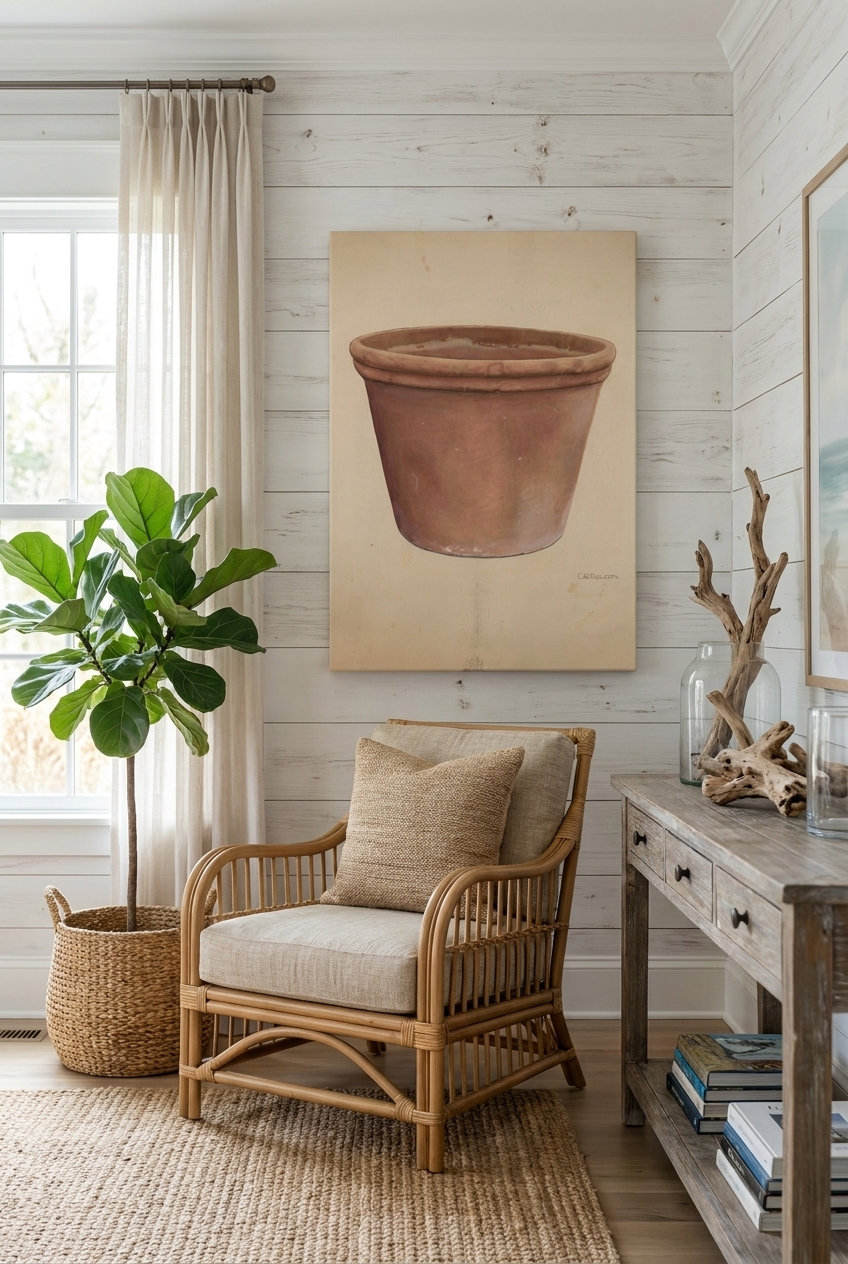
Whether your home is a historic brownstone filled with antiques or a minimalist modern apartment, a classical realist print acts as an anchor. The rich earth tones, the soft, natural lighting, and the incredible level of detail add a layer of sophistication that never goes out of style. When choosing a piece, look for subjects that speak to your own sense of nostalgia or appreciation for craft—whether that is the intricate geometry of needlework or the soft, organic curves of a botanical arrangement. By bringing these pieces into your living space, you are not just decorating a wall; you are inviting a tradition of deep observation and quiet beauty into your daily life.
Frequently asked questions
What is the difference between Realism and Classical Realism?
While general realism focuses on depicting everyday life as it is, Classical Realism combines this lifelike representation with the rigorous academic standards of classical antiquity and the High Renaissance, prioritizing beauty, order, and meticulous draftsmanship.
Who are the key artists associated with this style in America?
In mid-century America, artists like J. Howard Iams, Carl Buergerniss, Mina Lowry, and Clarence W. Dawson mastered this style, often working to document historical American crafts with astonishing, lifelike precision.
How should I frame and display Classical Realism prints?
Because of their rich textures and classic compositions, these prints look exceptional in traditional wood frames (like walnut or oak) or elegant gold-leaf frames. They bring a grounding, sophisticated presence to dining rooms, libraries, and quiet study spaces.