The Art of Quietude: Rediscovering Annie B. Johnston
In short: Annie B. Johnston’s classical academic art captures the serene beauty of the natural world through delicate light and structured balance, making her quiet still lifes and vistas perfect for grounding modern interiors.
The Quiet Order of Annie B. Johnston
In a world that often demands our constant, divided attention, there is a profound comfort in returning to art that values stillness. The work of Annie B. Johnston offers exactly this sanctuary. Rooted in the enduring tenets of the classical academic tradition, Johnston’s art reflects a disciplined devotion to balance, proportion, and the subtle play of natural light. She emerged from an era that prized academic rigor and the faithful study of form, yet her work never feels cold or formulaic. Instead, her compositions capture the serene, structured beauty of the world with a quiet, contemplative restraint.
Johnston’s paintings do not shout for attention. Instead, they invite you to step closer, to slow your breathing, and to notice the gentle gradient of shadow falling across a simple object. By prioritizing harmony over dramatic embellishment, she created pieces that feel timeless, balanced, and deeply restorative.
The Anatomy of Stillness: Style and Subjects
To appreciate Johnston’s work is to appreciate the mastery of the subtle. Her stylistic signature lies in her delicate handling of tonal transitions and her meticulous attention to atmospheric depth. Whether she was rendering soft botanical studies or expansive, tranquil vistas, her brushwork remained deliberate and refined. Every stroke served a purpose, building a harmonious unity that feels incredibly cohesive.
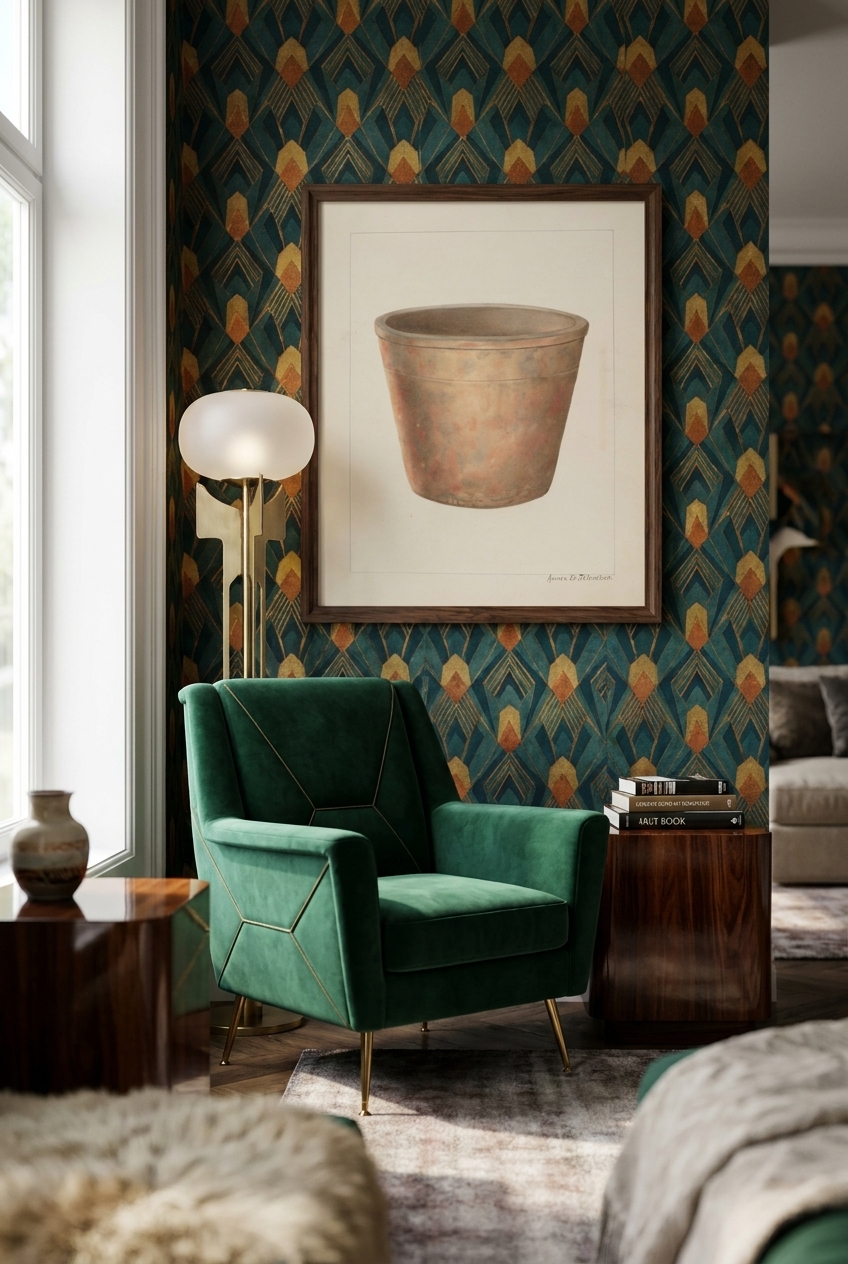
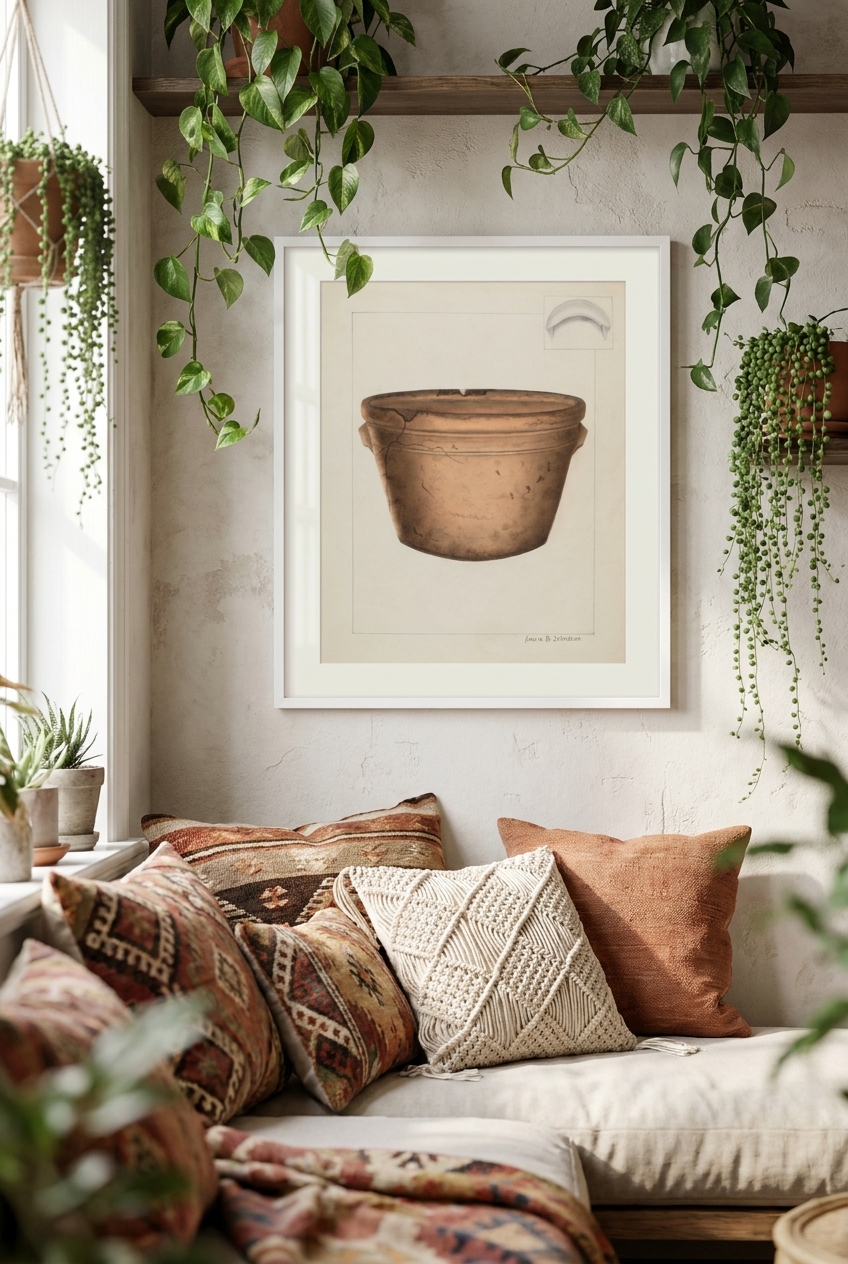
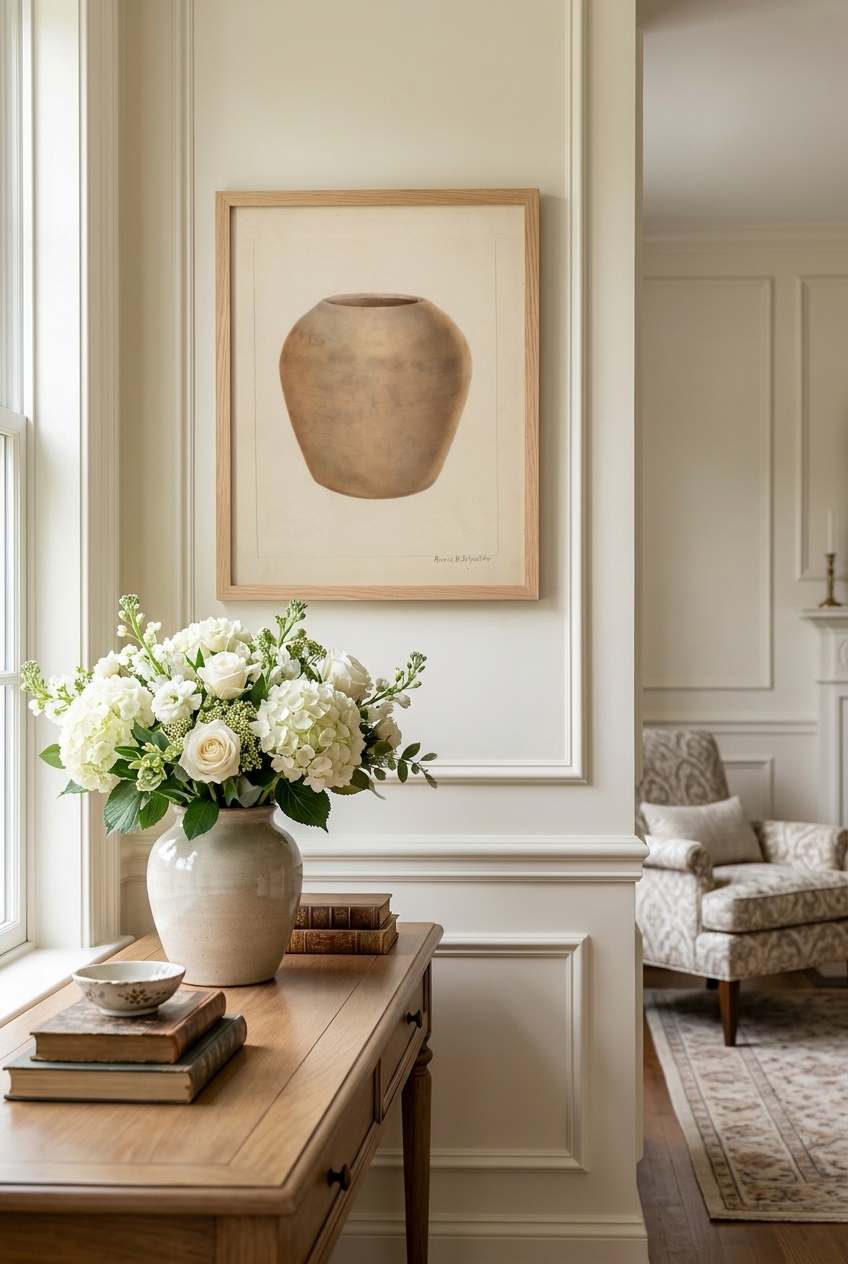
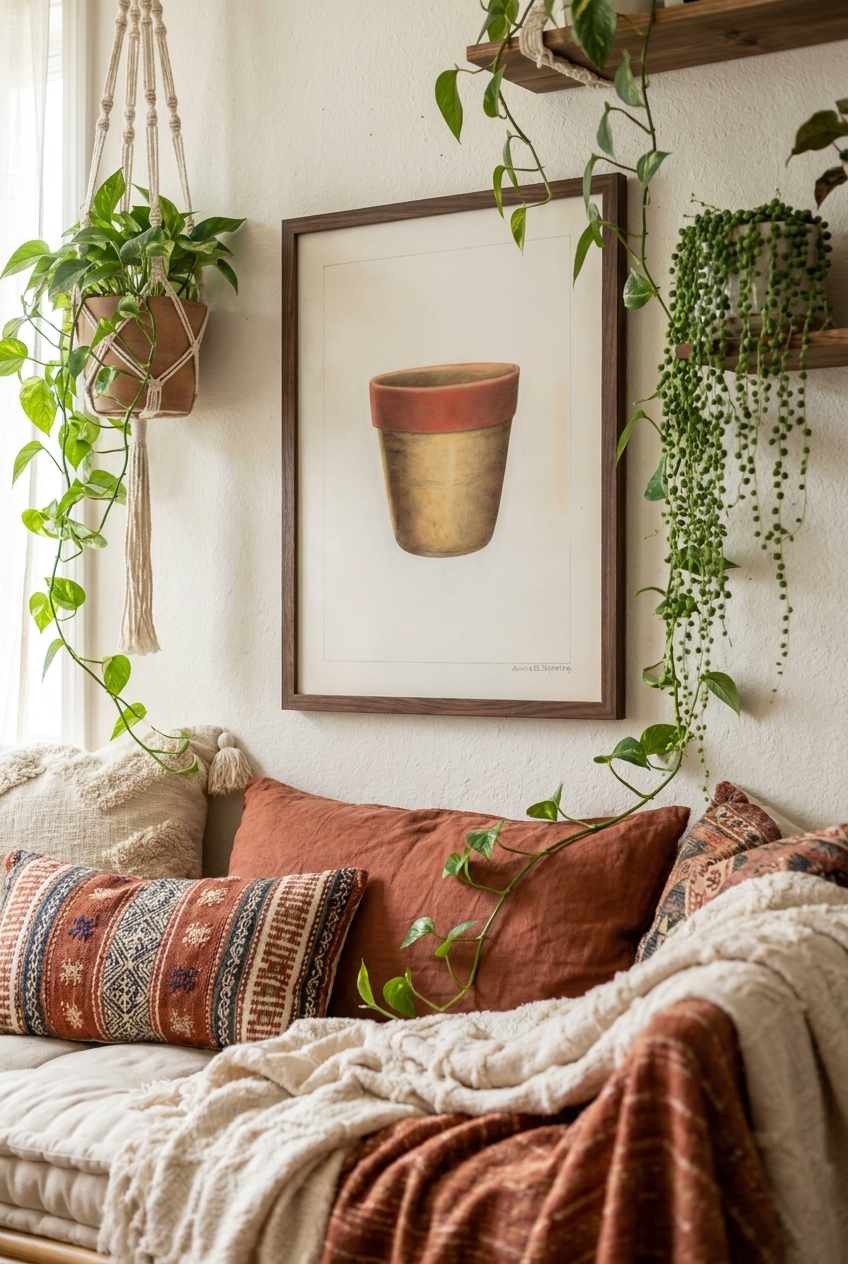
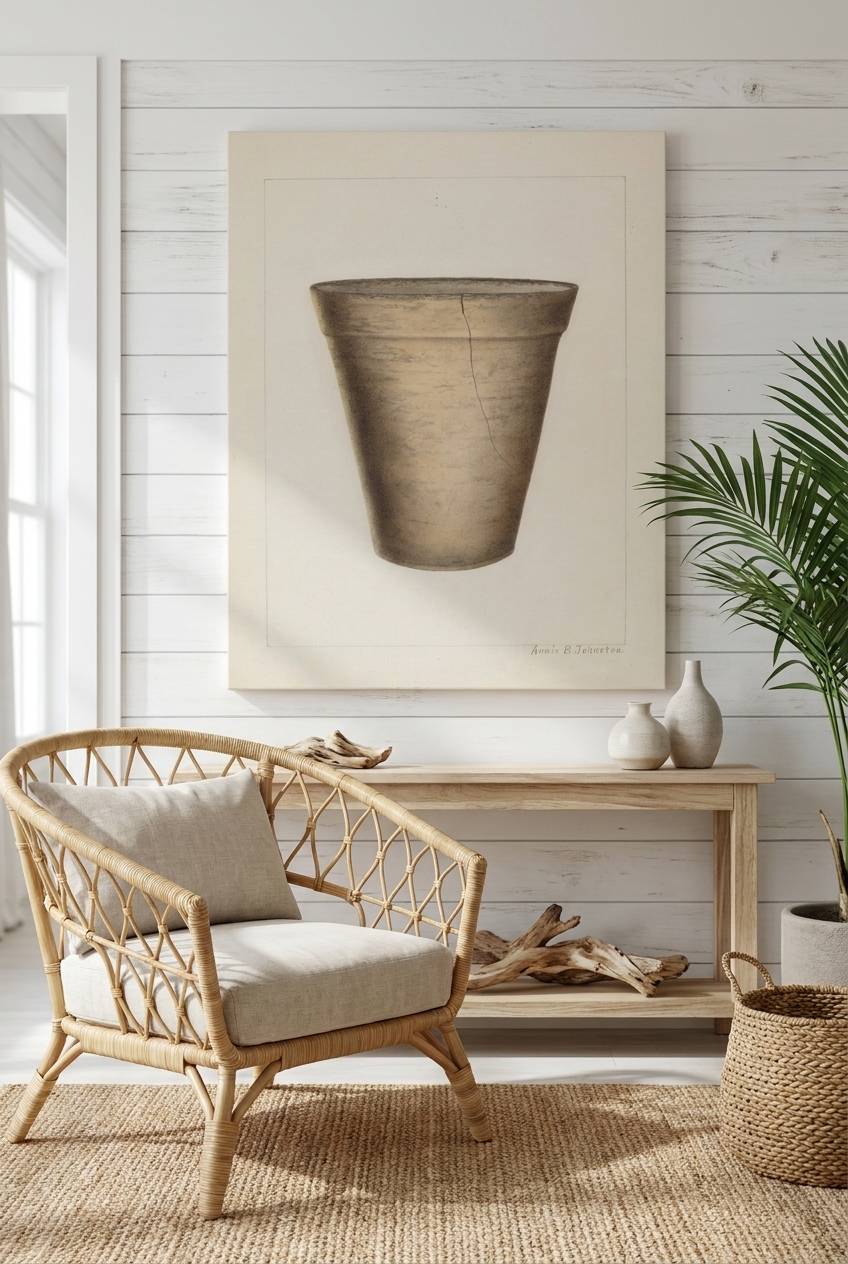
Her focus on everyday beauty is wonderfully captured in her still-life subjects. For instance, in her "Pottery Flower Pot" (c. 1937), she elevates a simple, utilitarian object into a study of classical poise. The soft play of light across the curved clay reveals her academic training, transforming the ordinary into something sacred. Similarly, her "Stoneware Flower Pot" (c. 1937) showcases her ability to find dignity and quiet strength in rustic forms. In both pieces, the background dissolves into a soft, atmospheric haze, ensuring our focus remains entirely on the gentle weight and texture of the subject.
Bringing Classical Calm to Modern Spaces
Why does classical academic art feel so incredibly right in a contemporary home? Modern interior design often relies on clean lines, neutral palettes, and open spaces. While beautiful, these spaces can sometimes feel a bit sterile or incomplete without the warming touch of history and organic form. Johnston’s work bridges this gap perfectly.
Because her compositions are built on a foundation of classical order, they bring an immediate sense of grounding to any room. A high-quality archival print or canvas of her work acts as a visual anchor. Placed in a sunlit entryway, a quiet study, or above a minimalist living room mantle, her art introduces a soft, organic texture and a sense of history without cluttering the visual field. Her gentle earth tones, soft grays, and warm terracotta hues pair beautifully with natural wood, linen fabrics, and modern metal accents.
If you are looking to cultivate a home that feels like a peaceful retreat from the busy outside world, exploring the Full Annie B. Johnston collection is a wonderful place to start. Each piece is an invitation to pause, appreciate the light, and find beauty in the quietest corners of life.
Frequently asked questions
What is Classical Academic art, and how does Annie B. Johnston fit into it?
Classical Academic art is a style rooted in European academy traditions that emphasizes formal training, precise drawing, balanced composition, and a faithful representation of nature. Annie B. Johnston embraced these principles, focusing on disciplined proportion, realistic textures, and the delicate play of natural light to create harmonious, orderly compositions.
What makes Johnston's work particularly suited for modern home decor?
Her art features a neutral, earthy color palette and a clean, balanced composition that complements modern minimalist and transitional interiors. Rather than overwhelming a room, her paintings provide a calming, grounding focal point that introduces warmth, history, and organic texture.
How should I frame or display a print of her work?
Because of her classical style, her prints look exceptional in simple, elegant wood frames—such as oak or dark walnut—or thin gilt frames that highlight the warm tones in her art. For a more contemporary feel, a gallery-wrapped canvas brings out the rich, painterly textures of her brushwork.