The Art of the Classical Gallery Wall: A Guide to Curation and Cohesion
In short: Create an elegant, curated gallery wall by choosing a strong anchor piece, mixing frame styles, and blending different mediums—like portraits, reliefs, and still lifes—for a collected-over-time aesthetic.
The Philosophy of the Salon Wall
In the grand salons of eighteenth-century Paris, paintings climbed from the baseboards to the cornices. This was not merely a display of wealth; it was an immersive visual conversation. Today, the classical gallery wall remains one of the most sophisticated ways to bring character, warmth, and history into a modern home. Unlike the clinical, sterile grids of contemporary minimalism, a classical gallery wall feels organic, collected, and deeply personal.
To achieve this look, you must abandon the idea of perfect symmetry. A successful arrangement relies on visual balance, texture, and a thoughtful mix of subjects. It should look as though it came together over decades of travel and collecting, rather than in a single afternoon. By pairing different mediums, scales, and frames, you can transform a blank wall into a captivating narrative.
Finding Your Anchor Piece
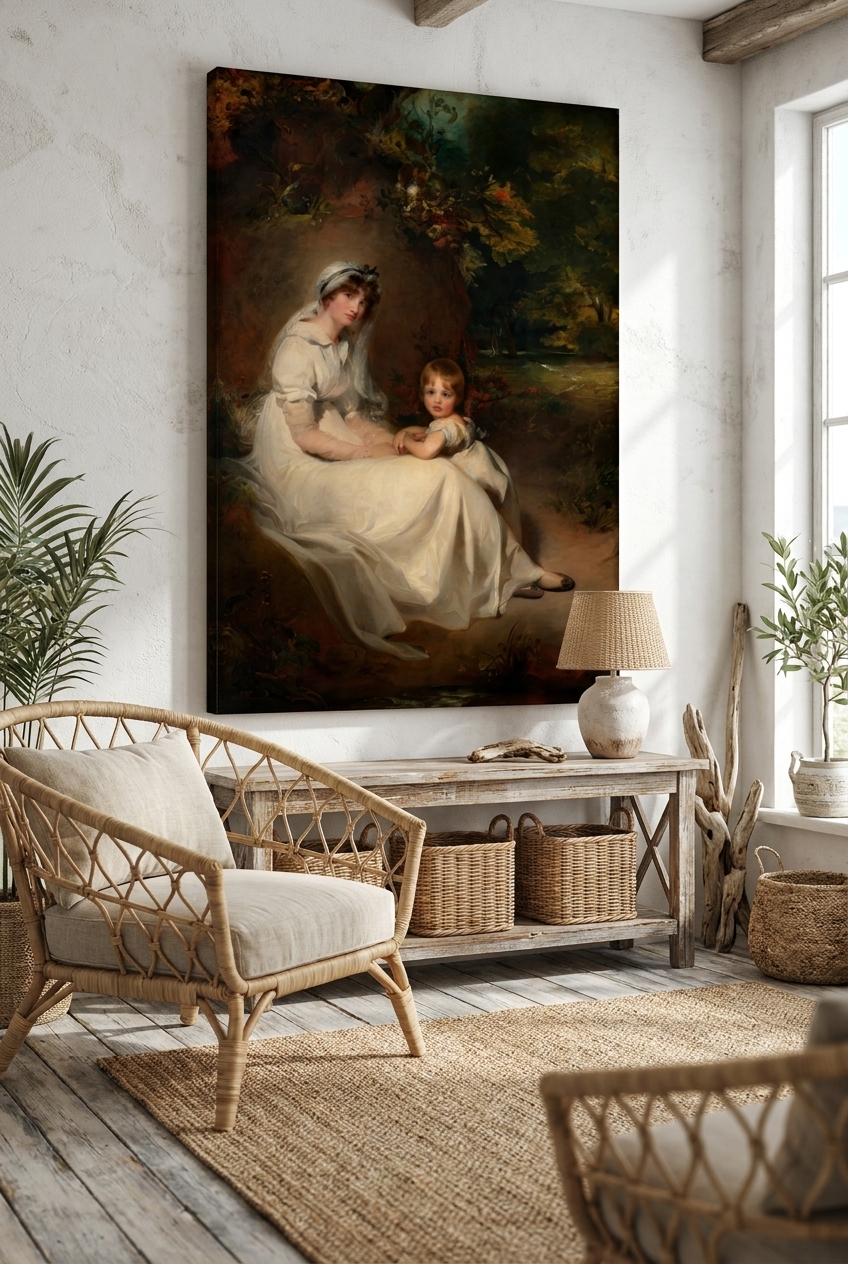
Every great gallery wall needs a protagonist. This is your anchor piece—the largest artwork in the arrangement, which will dictate the placement of everything else. The anchor should not sit dead-center; instead, position it slightly off-center to create a more dynamic, natural flow. This draws the eye in and encourages it to wander across the rest of the collection.
For a classical dining room or living space, a stately portrait makes an exceptional anchor. The rich tones and emotional depth of Sir Thomas Lawrence's Lady Mary Templetown and Her Eldest Son offer the perfect blend of historical elegance and intimate warmth. Once your anchor is placed, you can begin radiating outward with medium and smaller pieces, building a balanced composition around it.
The Art of the Mix
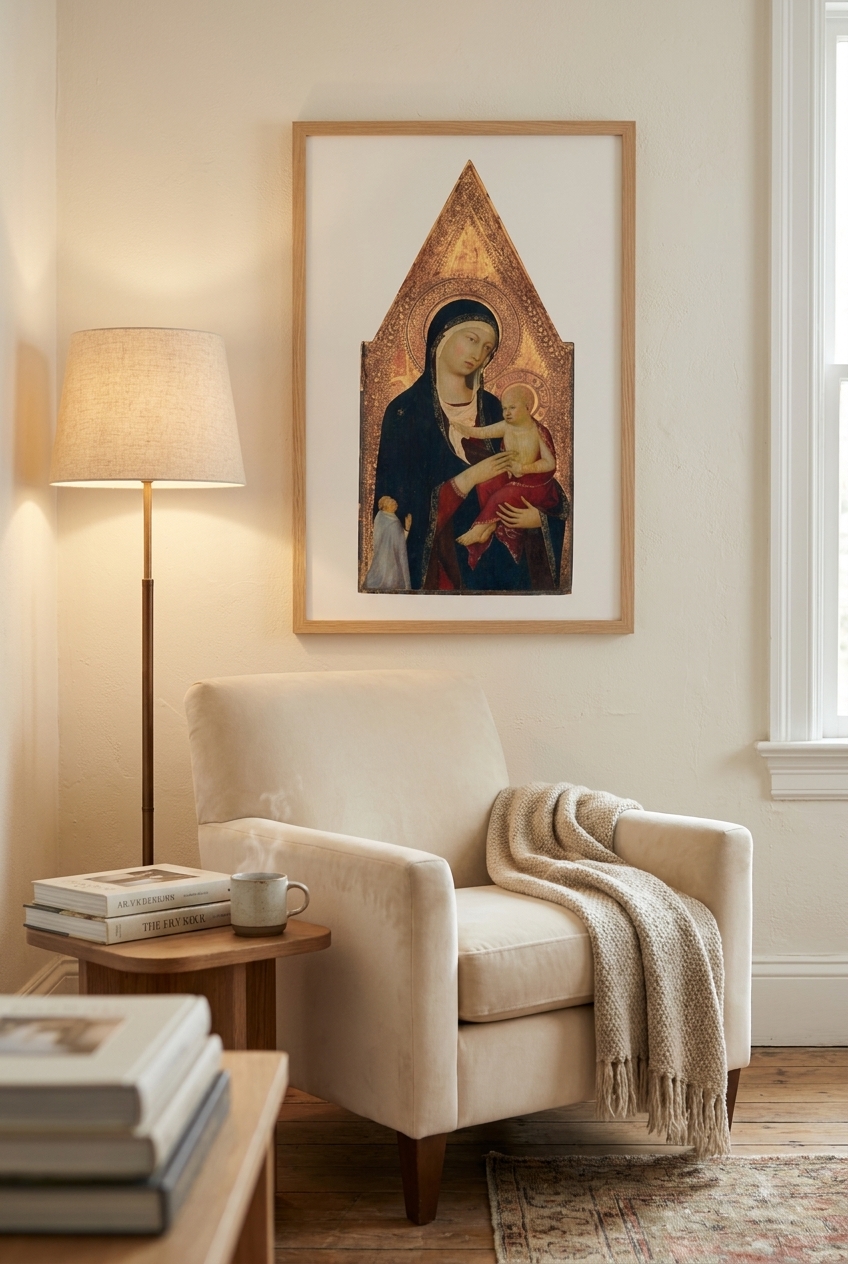
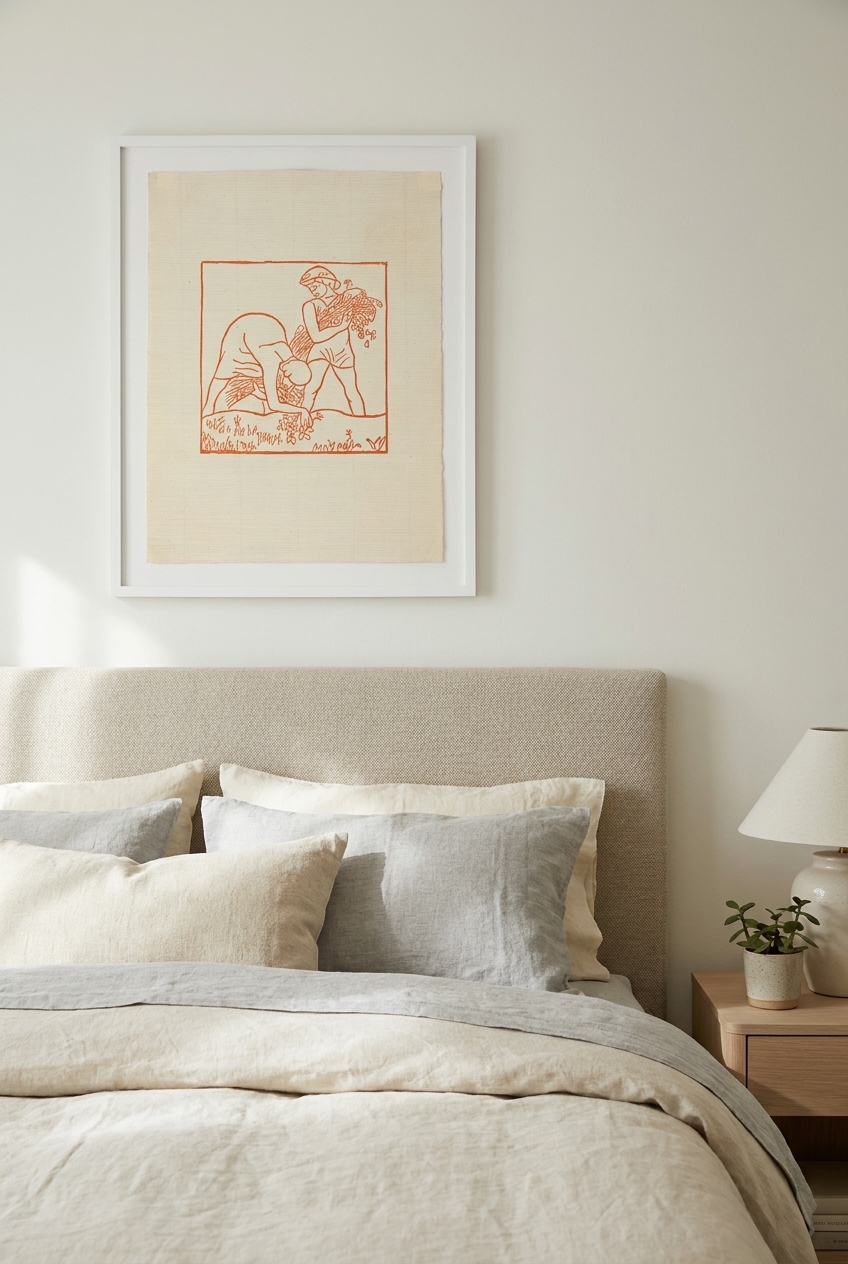
The secret to an authentic-looking gallery wall is variety. If every piece is an oil landscape in a gold frame, the wall will feel flat and monotonous. Instead, aim to mix your mediums and textures. Pair oil paintings with delicate sketches, architectural drawings, and even sculptural reproductions.
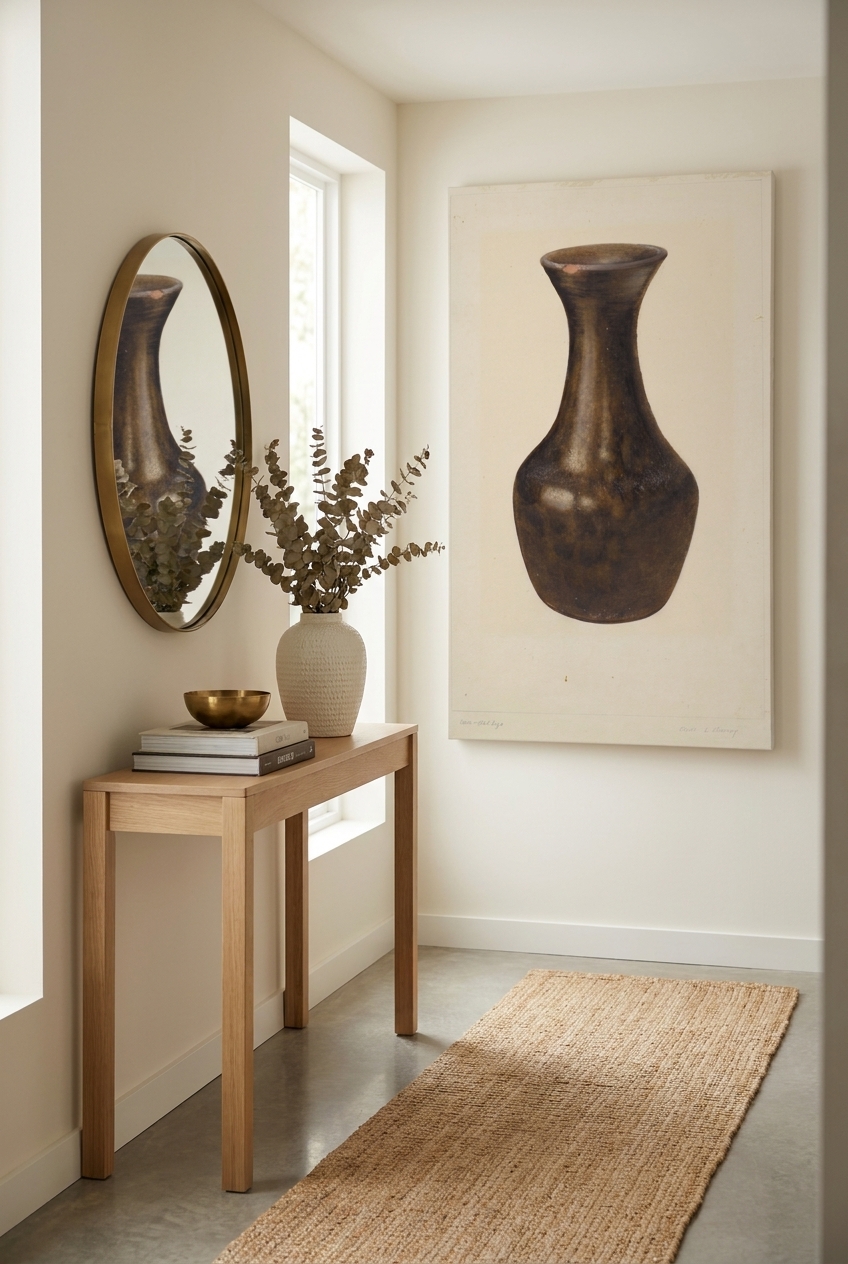
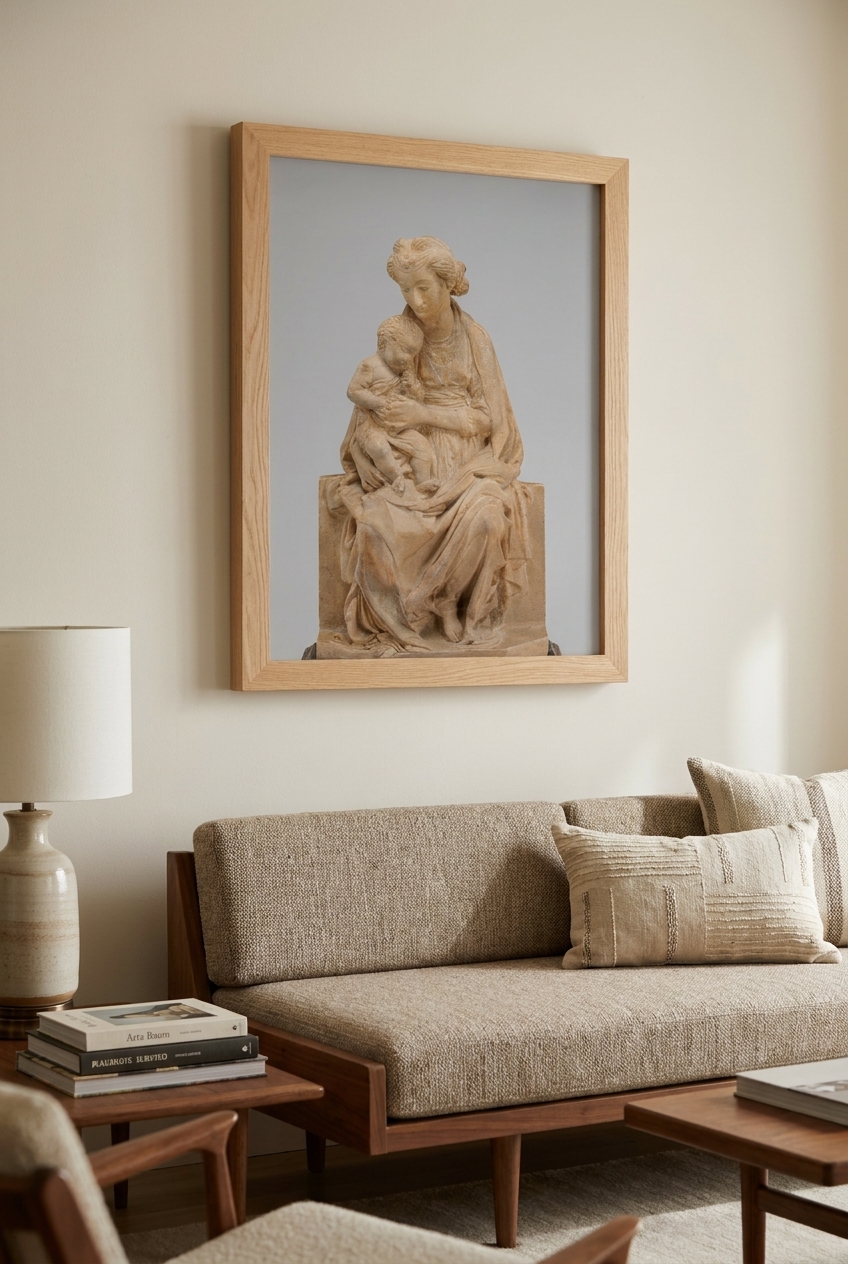
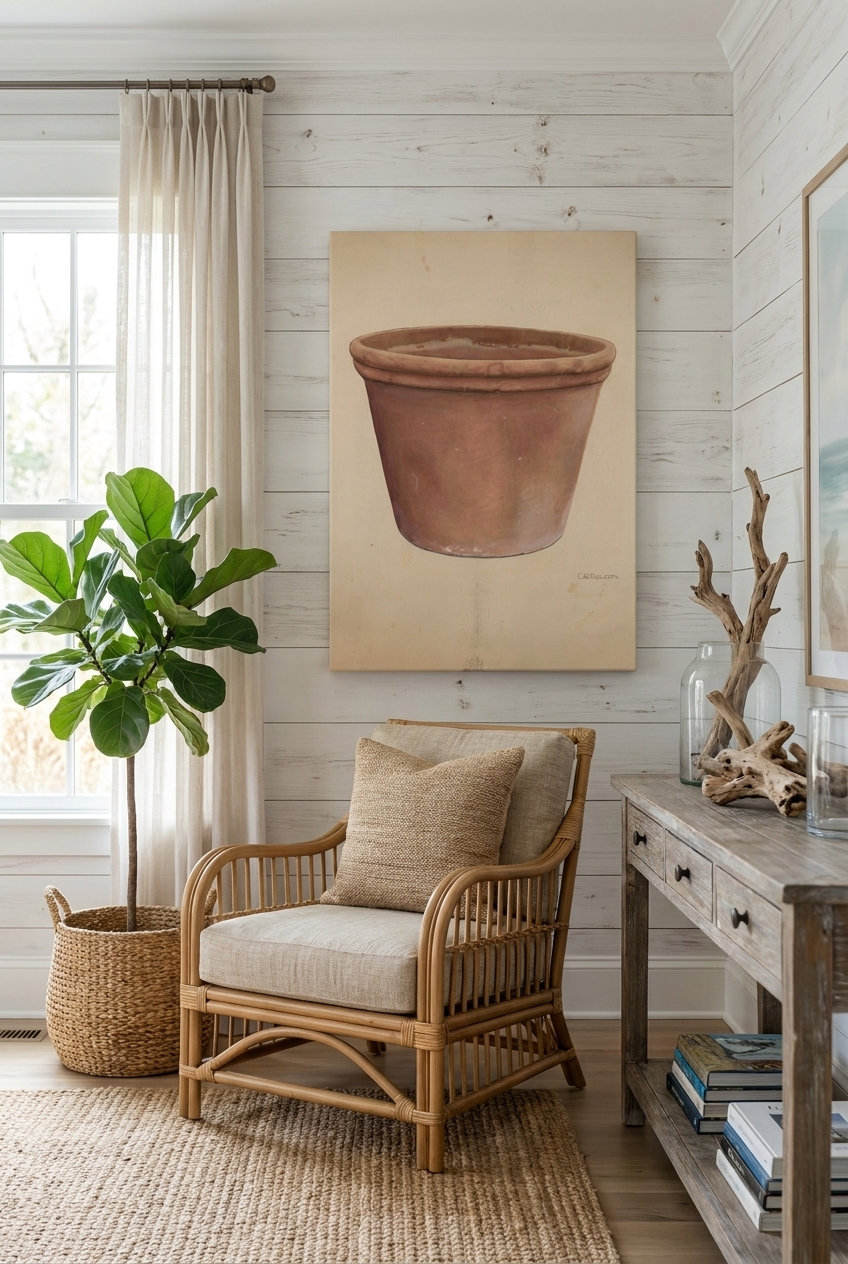
For instance, introducing a tactile, three-dimensional element can instantly elevate the collection. The subtle shadows and classical lines of Antonio Rossellino's Madonna and Child relief print add an architectural quality that breaks up the flat surfaces of traditional paintings. To balance these sacred and portrait elements, weave in botanical studies or still lifes, such as Clarence W. Dawson's Flower Urn. The earthy tones and organic shapes of a still life ground the arrangement, offering a resting place for the eye.
Spacing, Scale, and Framing
While a classical gallery wall is organic, it should never feel chaotic. To maintain cohesion, pay close attention to spacing and framing. Here are a few essential guidelines to keep your arrangement grounded:
- Keep Spacing Tight: Aim for two to three inches between frames. If the pieces are spaced too far apart, they will look like isolated islands rather than a unified collection.
- Mix Your Frames: Avoid matching sets. Instead, combine antique gilt frames, dark burled wood, and simple black painted frames. This variety suggests that the collection was built over generations.
- Vary the Scale: Surround your large anchor piece with a mix of medium-sized works and very small, intimate prints. These smaller pieces are perfect for tucking into unexpected gaps.
- Unify with Color: While the subjects and frames should vary, look for a subtle thread of color to tie the wall together—perhaps a recurring warm ochre, a deep forest green, or a shared cream-toned matting.
Frequently asked questions
How do I plan the layout before hanging the art?
The best method is to lay your framed pieces out on the floor in front of the wall. Arrange and rearrange them until you find a balance you love. Take a photo from above to use as a reference, or trace each frame onto kraft paper, tape the paper templates to the wall, and nail directly through them.
Should I use mats for all the prints on my gallery wall?
Not necessarily. Mixing matted and unmatted prints adds to the collected-over-time aesthetic. Use wide, cream-colored mats for delicate sketches or smaller prints to give them breathing room, but consider framing larger oil reproductions without a mat to mimic the look of original canvas paintings.
How high should the gallery wall be hung?
The visual center of the entire arrangement should sit at eye level, which is generally about 57 to 60 inches from the floor. If you are hanging the gallery wall above a sofa or sideboard, ensure the bottom edge of the lowest frame sits about 6 to 8 inches above the furniture.