The Art of the Wild: How Robert Havell Brought Audubon’s Birds to Life
In short: While John James Audubon observed and painted America's birds, it was the English master engraver Robert Havell who transformed those watercolors into monumental, dramatic masterpieces of printmaking. Their collaboration remains the gold standard of natural history art.
An Unlikely, Legendary Alliance
In the early nineteenth century, a self-taught American naturalist named John James Audubon set out with a wild, almost impossible dream: to document every bird in North America, life-sized and in vivid color. But a painting in a portfolio can only be seen by one person at a time. To share his vision with the world, Audubon needed a translator. He found his artistic soulmate in London: a master engraver named Robert Havell.
This collaboration between naturalist and printmaker represents one of the most significant achievements in the history of graphic art. While Audubon provided the raw, dynamic, life-sized watercolor studies, it was Havell who undertook the monumental task of etching and engraving them onto massive copper plates. Exploring the Full Robert Havell after John James Audubon collection reveals a body of work where science and high art fuse into something entirely unprecedented.
The Havell Touch: More Than Just Copying
It is easy to mistake an engraver for a mere copyist, but Havell was a brilliant artist in his own right. He utilized a complex technique called aquatint, which involves dusting a copper plate with resin before acid-etching it. This process allowed Havell to recreate the soft, delicate tonal gradations of Audubon’s original watercolor washes, rather than just harsh black lines.
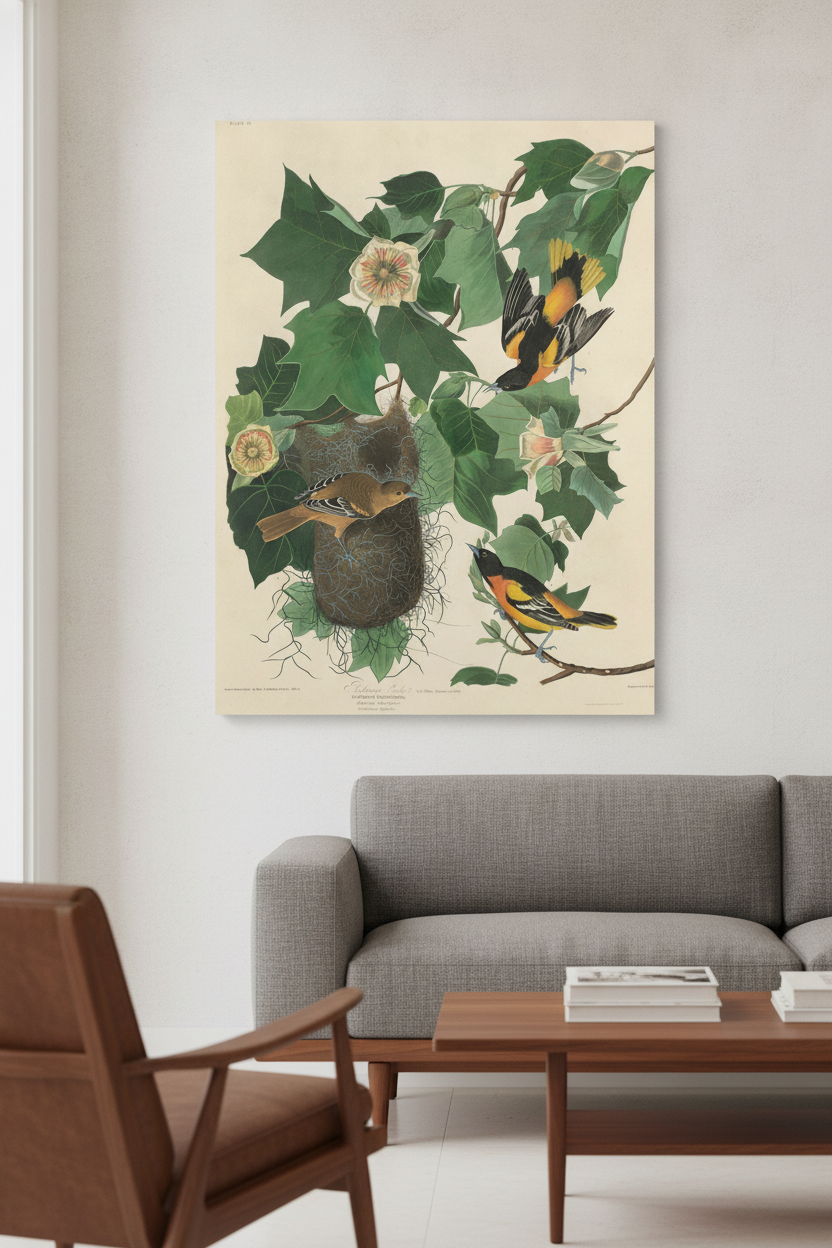
Look closely at the Baltimore Oriole (1827). Notice the exquisite graphic clarity in the weaving of the nest, the gentle curve of the leaves, and the soft, believable texture of the feathers. Havell’s precise line work and sensitive tonal control gave these birds a physical weight and presence. He didn't just replicate Audubon's drawings; he breathed three-dimensional life into them, establishing a new pinnacle for classical natural history illustration.
The Drama of the Natural World
What sets these works apart from the dry, stiff scientific diagrams of the era is their sheer, theatrical drama. Audubon and Havell captured the vital, sometimes violent energy of the natural world. Birds are not presented as specimens pinned to a board; they are shown hunting, courting, fighting, and nesting.
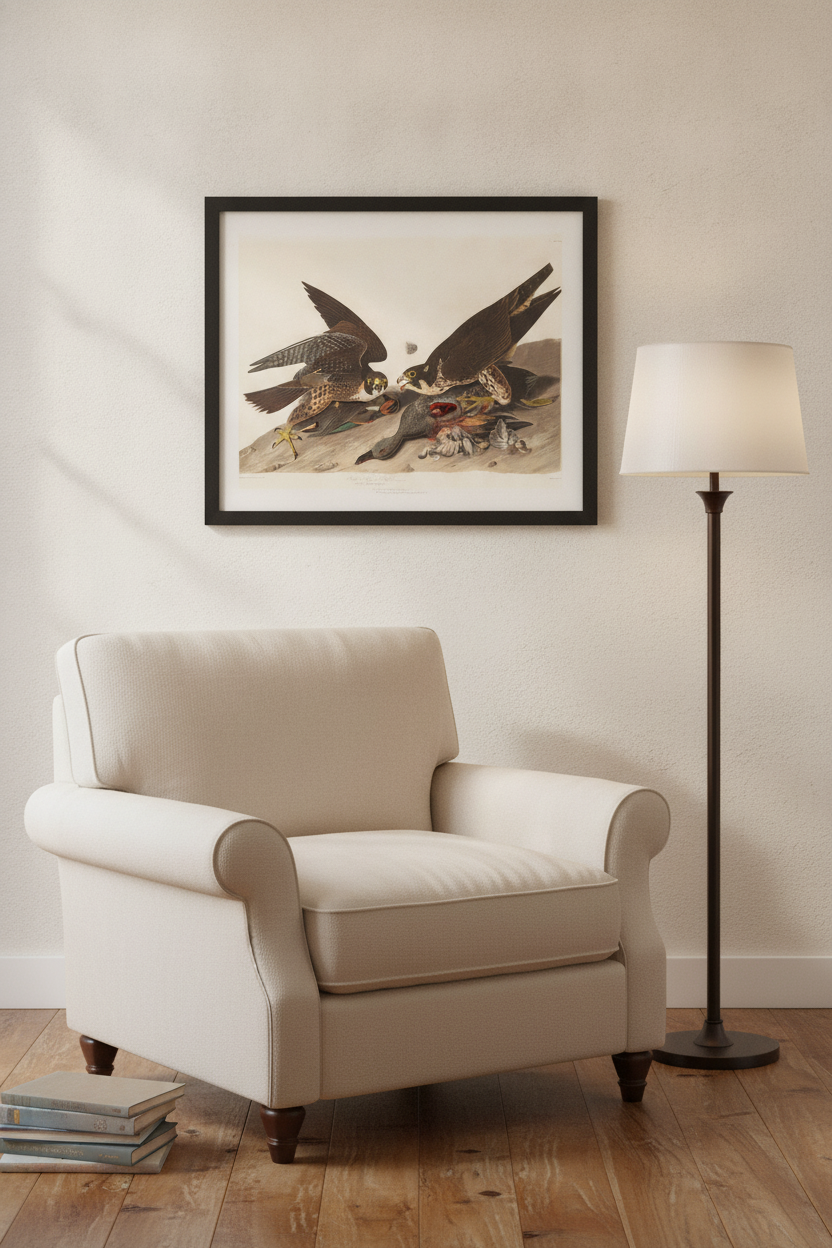
In the breathtaking Great Footed Hawk (1827), we see this dramatic tension at its peak. The raptors are depicted with fierce, predatory intensity, their talons gripping their prey with absolute authority. There is a profound sensitivity to the raw reality of nature here. It is this balance of uncompromising scientific accuracy and grand, classical composition that makes these prints endlessly fascinating to look at.
Why These Masterpieces Belong in the Modern Home
There is a unique magic in bringing these nineteenth-century masterpieces into a contemporary living space. While they carry the weight of history, their bold compositions and organic lines feel strikingly modern. They offer a window into the wild, bringing a sense of fresh air, movement, and life to any room.
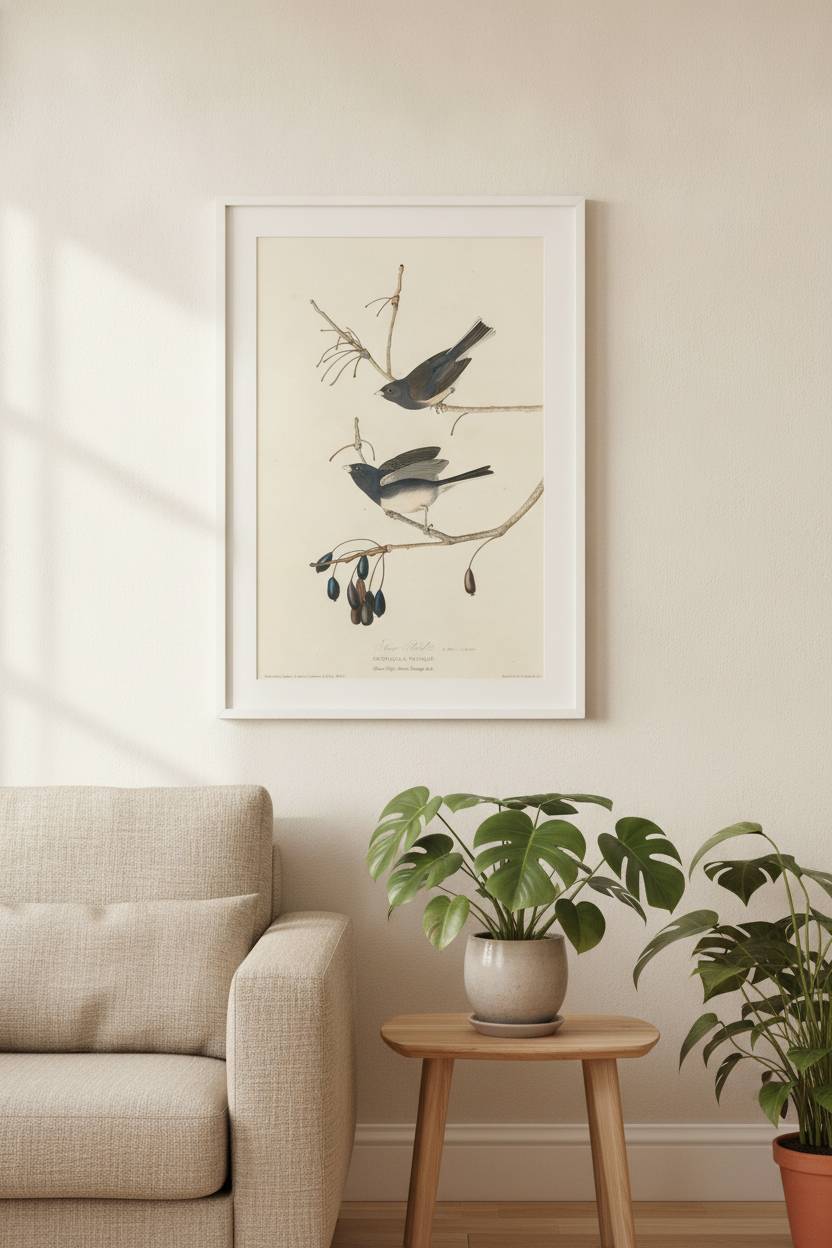
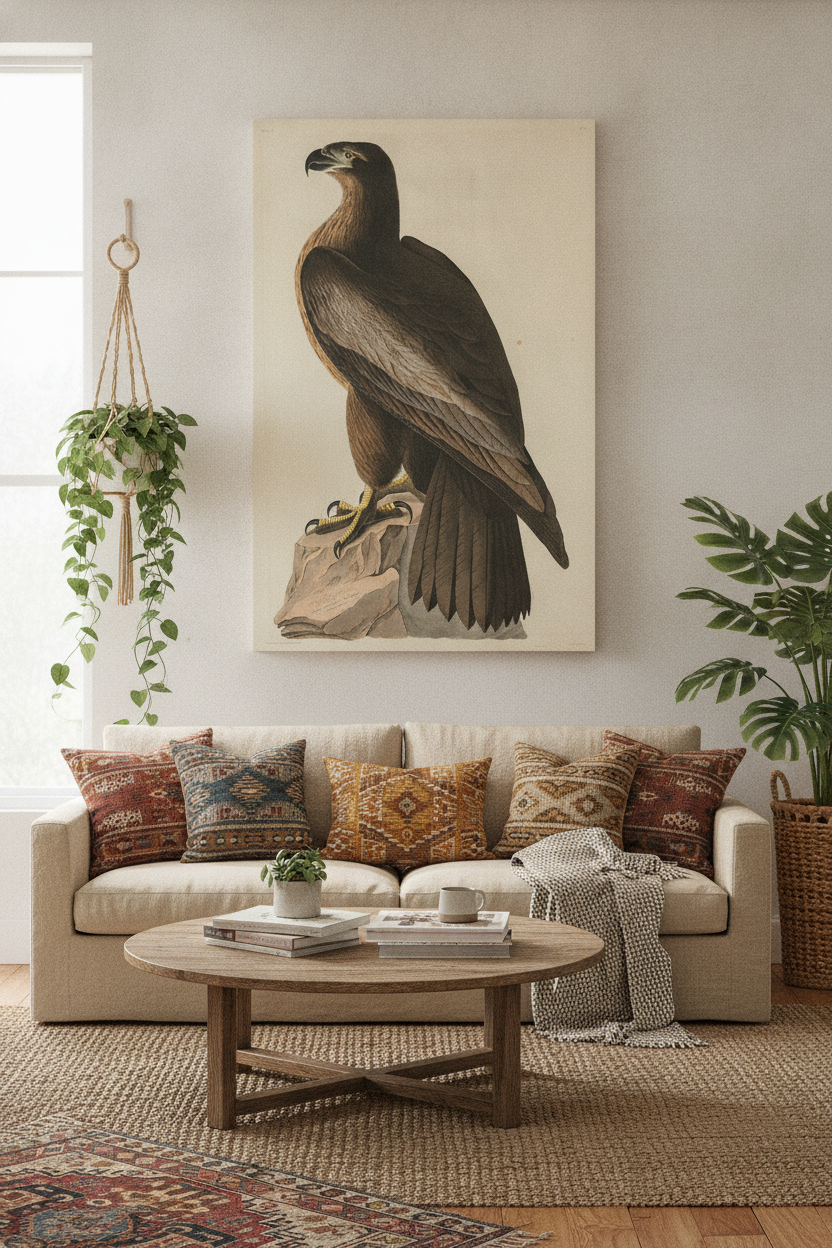
For a quieter, more intimate touch, pieces like the Snow-Bird (1827) offer a delicate charm that fits beautifully into cozy study corners or minimalist bedrooms. Whether you choose a dramatic, large-scale canvas of a soaring eagle or a pair of smaller, framed songbirds, these prints act as timeless focal points. They remind us of the beauty of the natural world, captured by two masters who refused to let that beauty fade.
Frequently asked questions
What does 'after' mean in 'Robert Havell after John James Audubon'?
In the printmaking world, 'after' means that the engraver (Robert Havell) created the print plate based directly on an original artwork created by another artist (John James Audubon). It denotes a faithful, authorized translation of a painting into a graphic print.
What is an aquatint engraving?
Aquatint is an etching technique that allows artists to create tonal variations rather than just lines. By using a acid-resistant resin powder on the copper plate, Havell could create textured areas that held varying amounts of ink, beautifully mimicking the soft washes of Audubon's original watercolors.
Are these prints scientifically accurate?
Yes, incredibly so for their time. Audubon spent years in the wilderness studying bird anatomy, behavior, and plumage. Havell preserved this meticulous detail, making these prints highly respected by both art collectors and ornithologists.
How do these classical prints look in a modern interior?
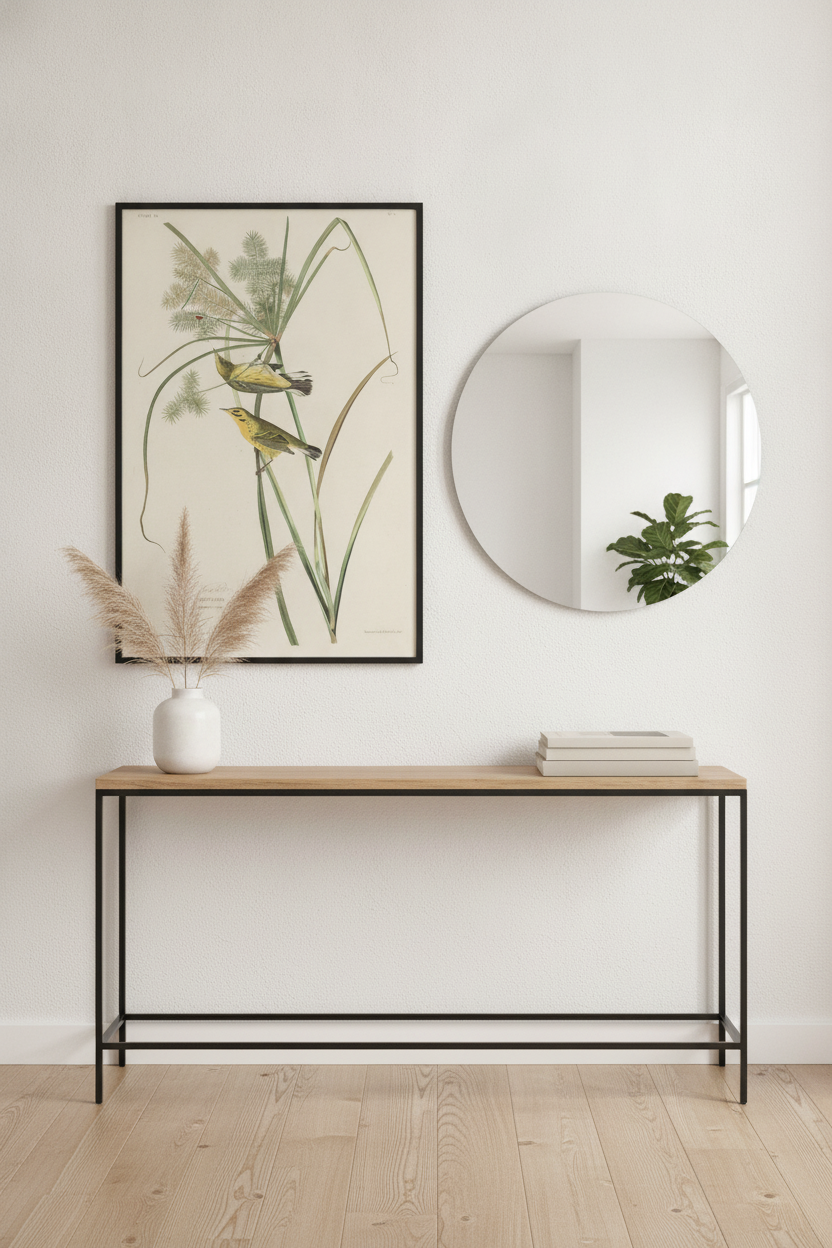
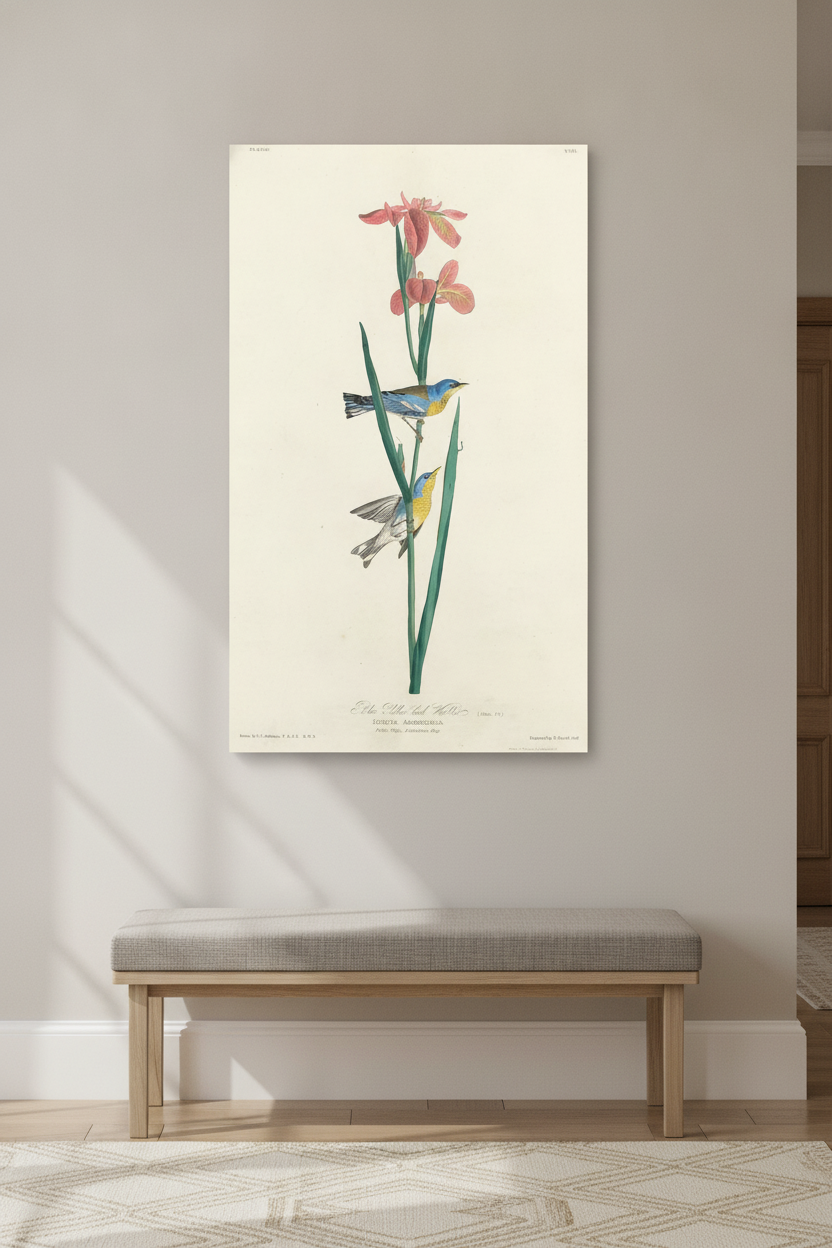
Remarkably versatile. Because of their strong graphic lines, clean backgrounds, and vibrant, natural colors, they bridge the gap between traditional charm and modern minimalism. They pair wonderfully with natural wood, clean white walls, and contemporary furniture.