The Eternal Horizon: A Guide to the Classical Landscape Tradition
In short: The classical landscape tradition uses balance, soft light, and idealized nature to create a sense of deep peace. Discover how to style these timeless prints.
The Art of Structured Serenity
In a world that often feels fast-paced and chaotic, classical landscape art offers a deep, collective sigh of relief. This tradition is not merely about painting what the eye sees in the wild; it is about organizing nature to find a perfect, harmonious balance. Originating in the seventeenth century with masters like Claude Lorrain and Nicolas Poussin, the classical landscape was designed to evoke a sense of timelessness, order, and poetic calm.
Instead of capturing raw, untamed wilderness, classical artists carefully composed their scenes. They used framing trees on the sides to draw the viewer’s eye inward, winding paths or rivers to guide us through the middle ground, and soft, glowing light to illuminate a distant, mysterious horizon. It is a formula that feels inherently right to the human eye, bringing a soothing structure to any room it graces.
Pastoral Poetry on Canvas
During the nineteenth century, British artists embraced and adapted this classical formula, blending it with a deep affection for their own countryside. Painters associated with the Norwich School and similar movements looked back to the golden age of Dutch and classical landscaping, creating works that felt both grand and intimately rustic.
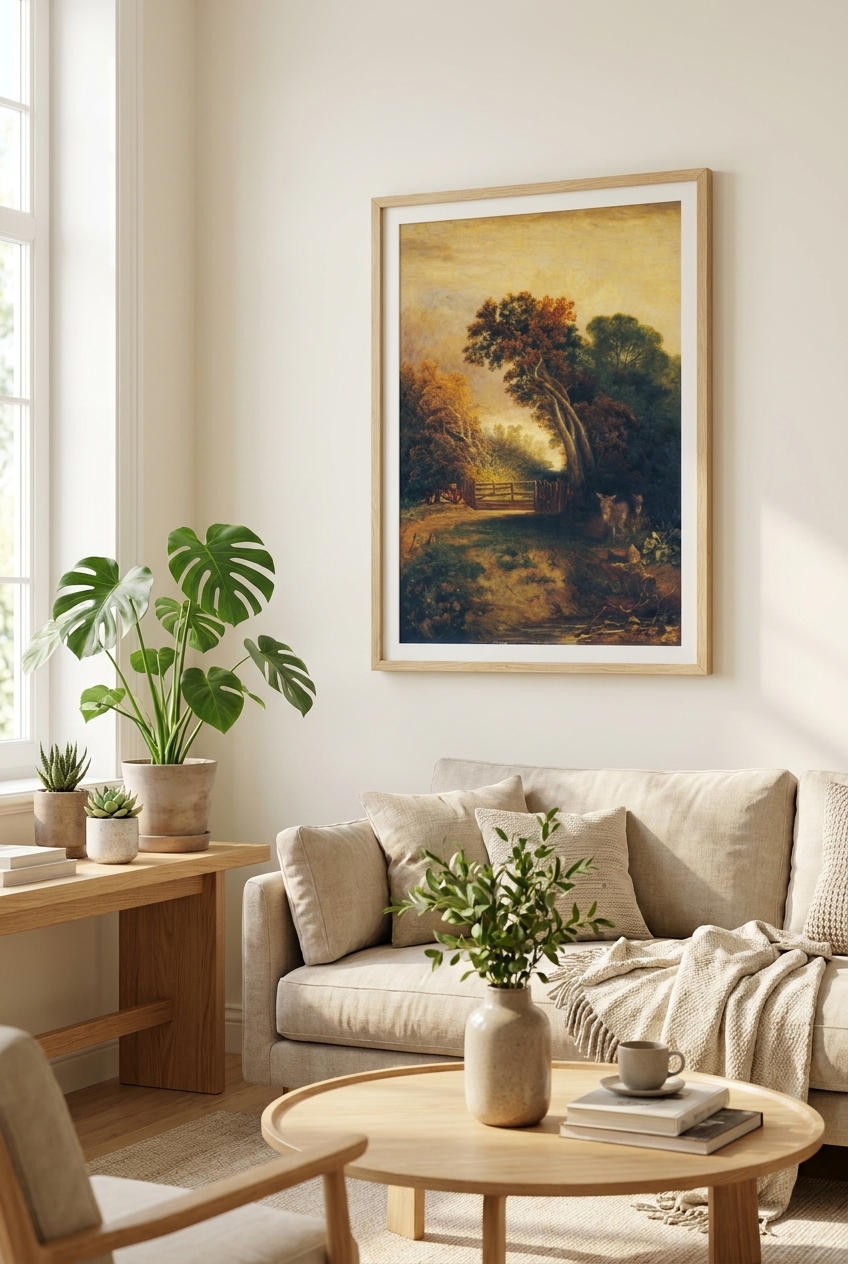
A beautiful example of this approach is the work of Joseph Paul, an English painter who captured the quiet drama of rural life. In his painting Landscape with Picnickers and Donkeys by a Gate, we see all the hallmarks of the classical tradition. The composition is anchored by majestic, dark trees that frame a soft, sun-drenched clearing. The figures and animals are not just subjects, but natural extensions of the landscape itself, living in perfect quietude under a soft, shifting sky.
The Classical Spirit in Everyday Objects
The classical impulse—the desire for balance, simplicity, and enduring charm—extends far beyond sweeping oil paintings. It also lives in the preservation of traditional craft and folk art. In the mid-twentieth century, American artists working for the Index of American Design set out to document the humble, classical beauty of early American decorative arts, capturing them with exquisite precision.
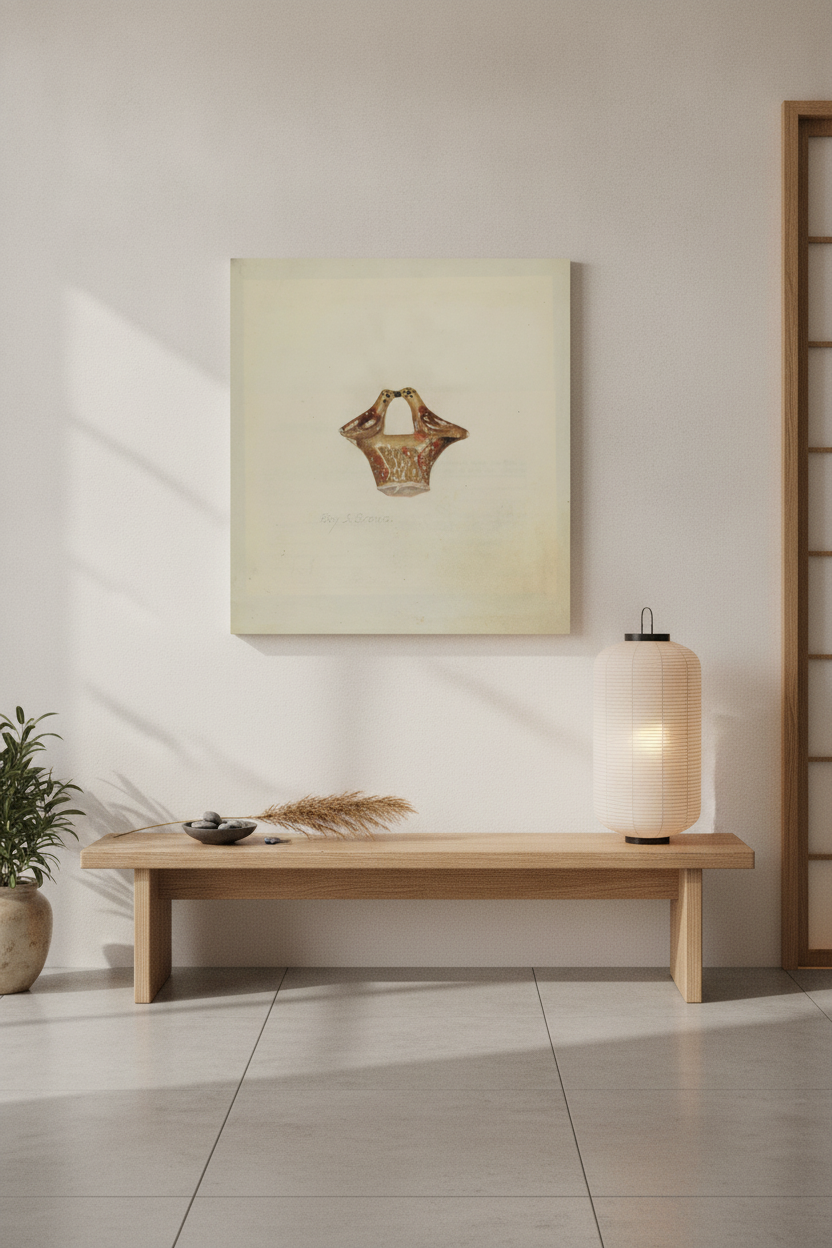
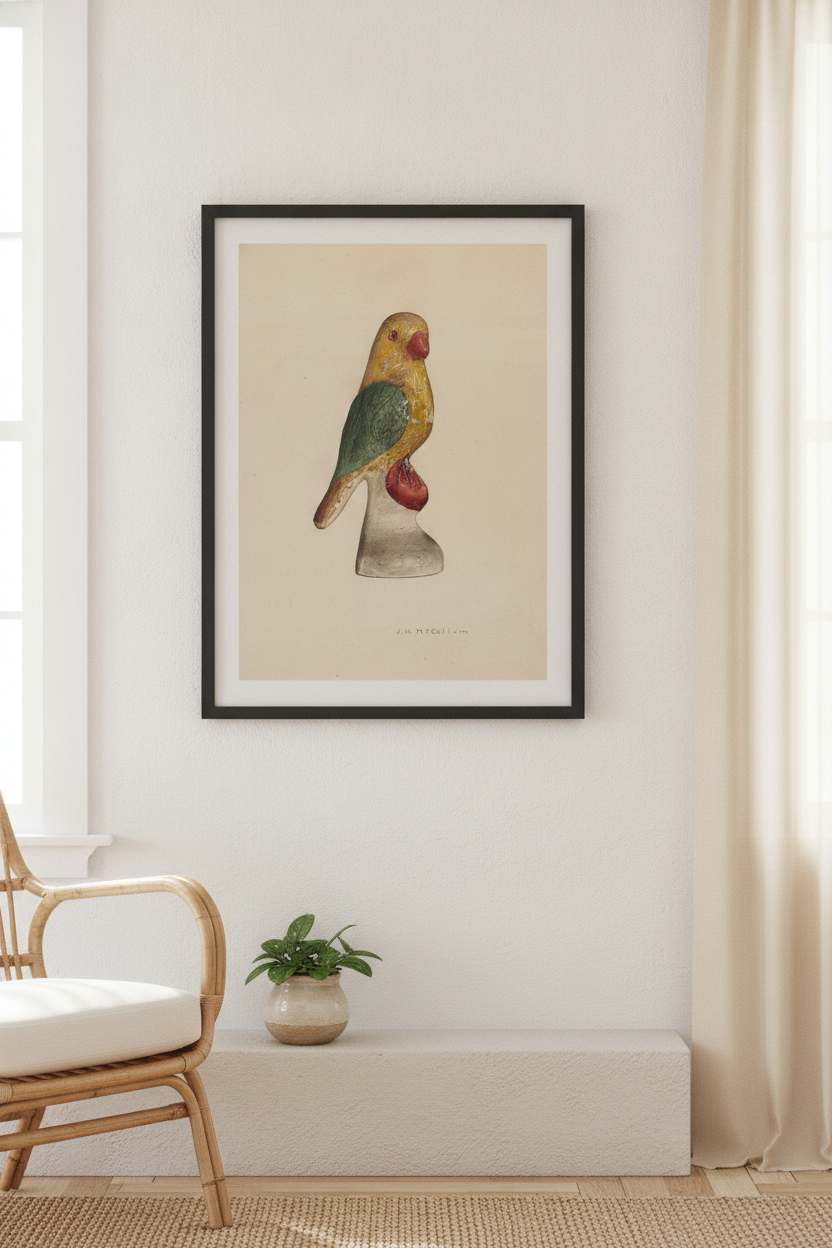
These watercolor renderings celebrate the clean lines and gentle textures of historic objects. For instance, the print of Chalkware Birds by Roy S. Brown captures the simple, sculptural elegance of traditional mantle ornaments. Similarly, J. Herman McCollum’s rendering of a single Chalkware Bird highlights the quiet, balanced geometry that folk artists achieved without formal academic training. These pieces remind us that the classical spirit is just as much about simple, honest forms as it is about grand vistas.
Bringing the Tradition Home
When choosing classical pieces for your walls, think about the atmosphere you want to create. Large-scale classical landscapes work beautifully as focal points in living rooms, dining areas, or studies, where their depth and perspective can open up a room and make it feel more spacious. The soft greens, earthy browns, and golden tones of these landscapes pair wonderfully with natural wood furniture and warm brass accents.
If you prefer a more eclectic or modern feel, try pairing a detailed oil landscape with the clean, graphic lines of folk art prints. Hanging a pastoral scene alongside simple, historic watercolor studies creates a gallery wall that feels curated, thoughtful, and deeply connected to the history of art and design.
Frequently asked questions
What makes a landscape "classical" rather than realistic?
A classical landscape is idealized and highly structured. Instead of painting a specific location exactly as it looked, classical artists rearranged elements of nature—like trees, hills, and ruins—to create a perfectly balanced, harmonious composition that felt poetic and timeless.
Who was Joseph Paul?
Joseph Paul (1804–1887) was an English landscape painter closely associated with the Norwich School. He was known for his atmospheric, rustic scenes that drew heavy inspiration from seventeenth-century Dutch masters, characterized by rich textures and dramatic, soft lighting.
How do chalkware bird prints relate to the classical tradition?
While they are folk art objects rather than landscapes, these pieces share the classical values of balance, simplicity, and timeless form. Documented during the mid-twentieth century, they capture the enduring, rustic elegance of early American craftsmanship.
Where should I hang classical landscape prints in my home?
These prints are highly versatile. Because of their deep perspective and calming tones, they are perfect for spaces where you want to encourage relaxation and thought, such as living rooms, home offices, bedrooms, or dining areas.