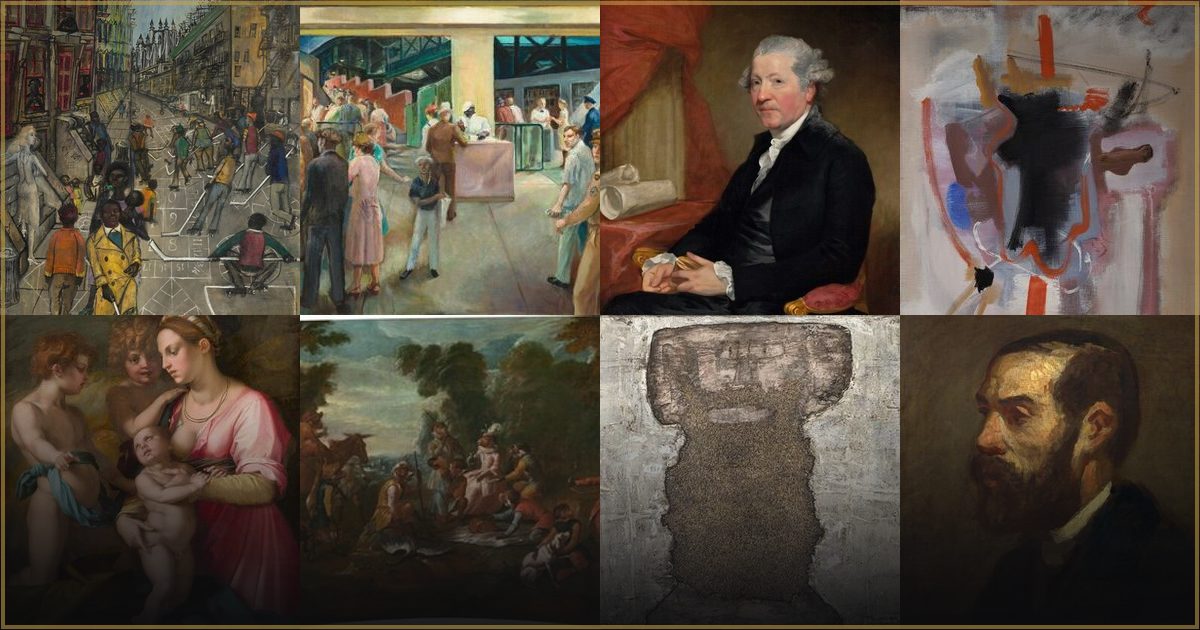
The Human Touch in Stone and Bronze: Donatello and His Workshop
In short: Donatello and his workshop brought a new emotional depth and anatomical realism to Renaissance art, pioneering techniques like extremely shallow relief (schiacciato) that translate beautifully into modern home decor.
The Spark of the Florentine Renaissance
In the early fifteenth century, the city of Florence was alive with a radical new energy. Artists and thinkers were turning away from the stiff, symbolic representations of the Middle Ages, looking instead to the ruins of ancient Rome and the fresh promises of humanist philosophy. At the absolute center of this artistic earthquake stood Donatello and his bustling workshop. Together, they did not just recreate classical art; they breathed living, breathing humanity into it.
By studying surviving Roman ruins, Donatello and his assistants revived ancient techniques like lost-wax bronze casting and sophisticated low-relief carving. But their true genius lay in their psychological realism. They looked at the human body and the human soul with unprecedented honesty, capturing real weight, genuine muscle tone, and complex emotional states. To explore these revolutionary works, you can view the Full Donatello and Workshop collection, which showcases the studio's incredible range.
The Magic of Schiacciato: Painting with Chisels
Perhaps the workshop's most breathtaking technical breakthrough was a carving method known as schiacciato, which literally translates to "flattened" or "squashed." Before Donatello, relief sculptures were carved deeply, casting heavy, dramatic shadows. Donatello realized he could achieve something far more subtle and painterly by carving in extremely shallow relief—sometimes just millimeters deep.
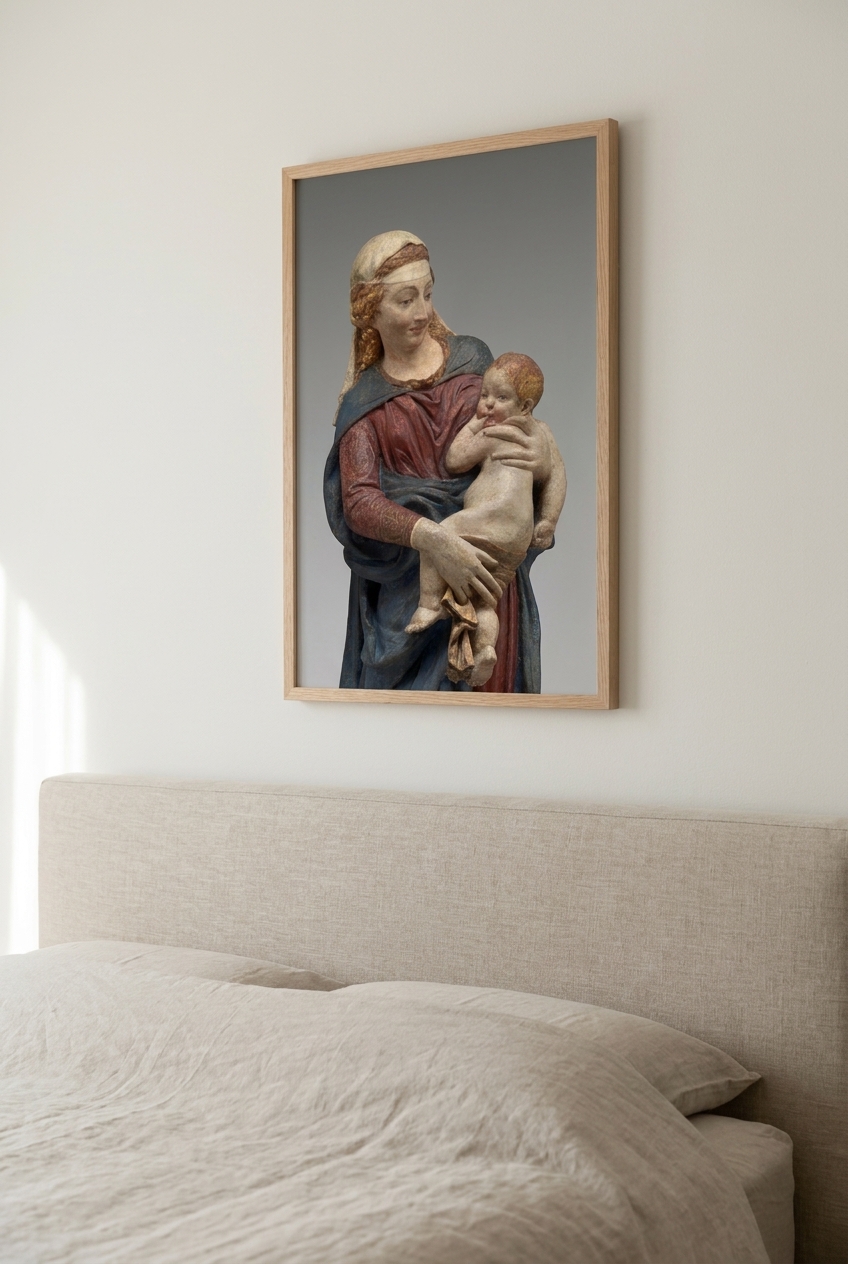
This mastery of light and shadow allowed the studio to mimic atmospheric perspective, making distant figures fade softly into the background just as they do in paintings. Through schiacciato, hard marble, cold bronze, and humble terracotta were transformed into dynamic, fluid narrative scenes. A perfect example of this delicate mastery is the celebrated Madonna and Child, where the tender, quiet relationship between mother and infant is captured with an astonishing sense of physical presence and emotional depth.
Bringing the Renaissance Home
What makes the output of Donatello and his workshop so enduring is the constant, fascinating tension in their work. On one hand, you see the cool restraint and balanced geometry of classical Greece and Rome. On the other, you feel a raw, vibrating emotional energy. It is this balance of the intellectual and the deeply human that makes their art feel so modern and alive today.
For a contemporary home, a fine-art print or canvas of a Donatello workshop piece brings a unique, sculptural texture to your walls. Because these works rely so heavily on the interplay of light and shadow, high-quality archival reproductions capture the subtle ridges, soft curves, and earthy tones of the original stone and terracotta. Placed in a modern room, they offer a sophisticated focal point—a quiet bridge between the ancient world, the Renaissance vanguard, and the clean lines of today's interiors.
Frequently asked questions
What is schiacciato and why is it important?
It is an incredibly shallow carving technique developed by Donatello. By carving lines just millimeters deep, he created an illusion of vast depth and atmospheric perspective, much like a painting, allowing stone to capture subtle light and shadow.
What role did the workshop play in Donatello's art?
Renaissance masters relied on highly skilled assistants and apprentices in their workshops to help execute large commissions, cast bronzes, and replicate popular designs. This collaborative environment ensured high-quality craftsmanship while spreading the master's signature style.
How do these sculptural works translate into flat fine-art prints?
Because Donatello's reliefs rely so heavily on light, shadow, and delicate texture, high-quality archival photography captures these three-dimensional qualities beautifully. On paper or canvas, the prints retain a striking, tactile depth that mimics the original stone or terracotta.