The Kinetic Soul of Vincent van Gogh
In short: Vincent van Gogh bypassed traditional realism to paint pure, raw emotion. His thick brushstrokes and brilliant colors bring unmatched warmth and vitality to contemporary living spaces.
The Man Who Painted Feeling
Vincent van Gogh did not merely paint what he saw; he painted what he felt. Emerging in the late nineteenth century, the Dutch artist redefined the trajectory of Western art by taking a radical departure from traditional representation. While his contemporaries, the Impressionists, chased the fleeting play of outdoor light, Van Gogh operated at the vanguard of Post-Impressionism. He wanted to go deeper, exploring the raw, psychological depths of the human experience.
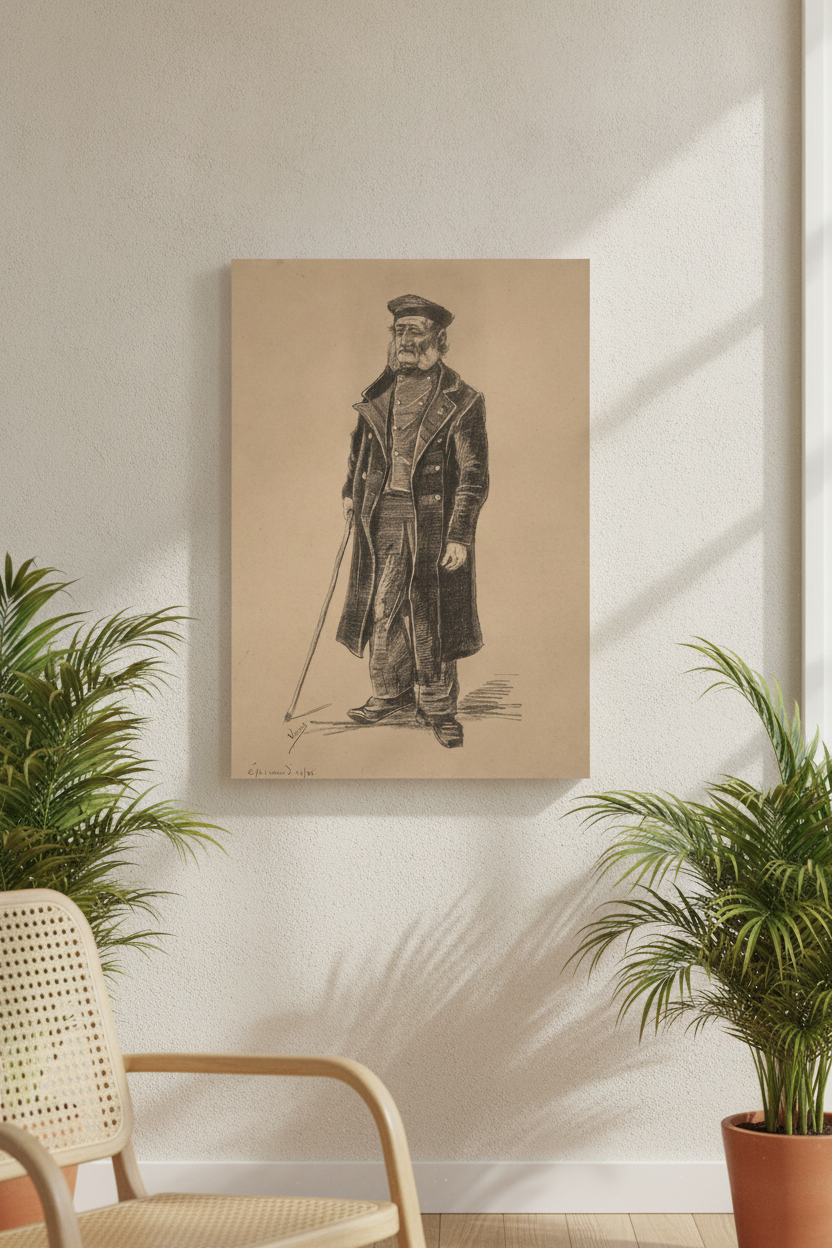
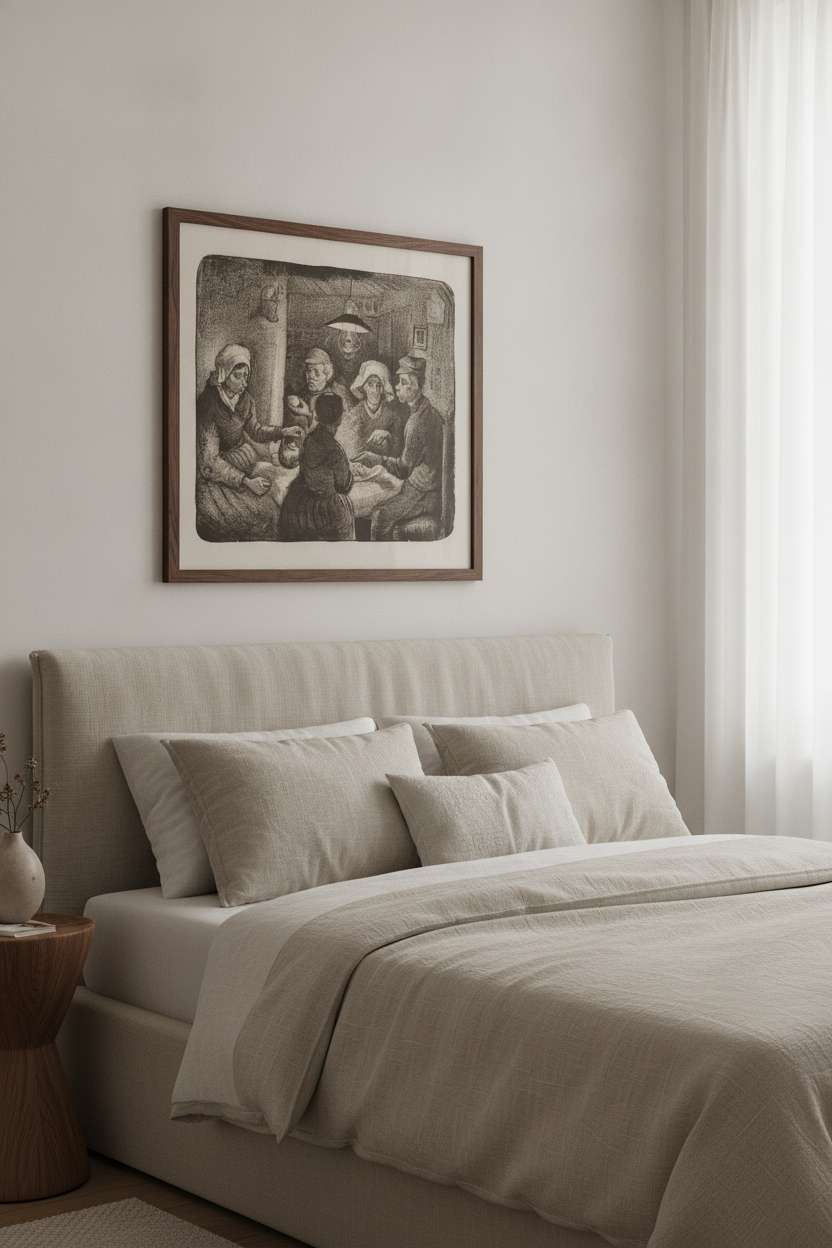
Before his canvas erupted into the brilliant yellows and swirling blues we know today, Van Gogh’s early work was quiet, somber, and deeply empathetic. In masterpieces like the Potato Eaters, he captured the hard, honest lives of peasants with dark, earthy tones. This desire to imbue the everyday with profound spiritual weight remained his guiding light, even as his palette transformed into a riot of color.
Swirls, Scrapes, and Pure Color
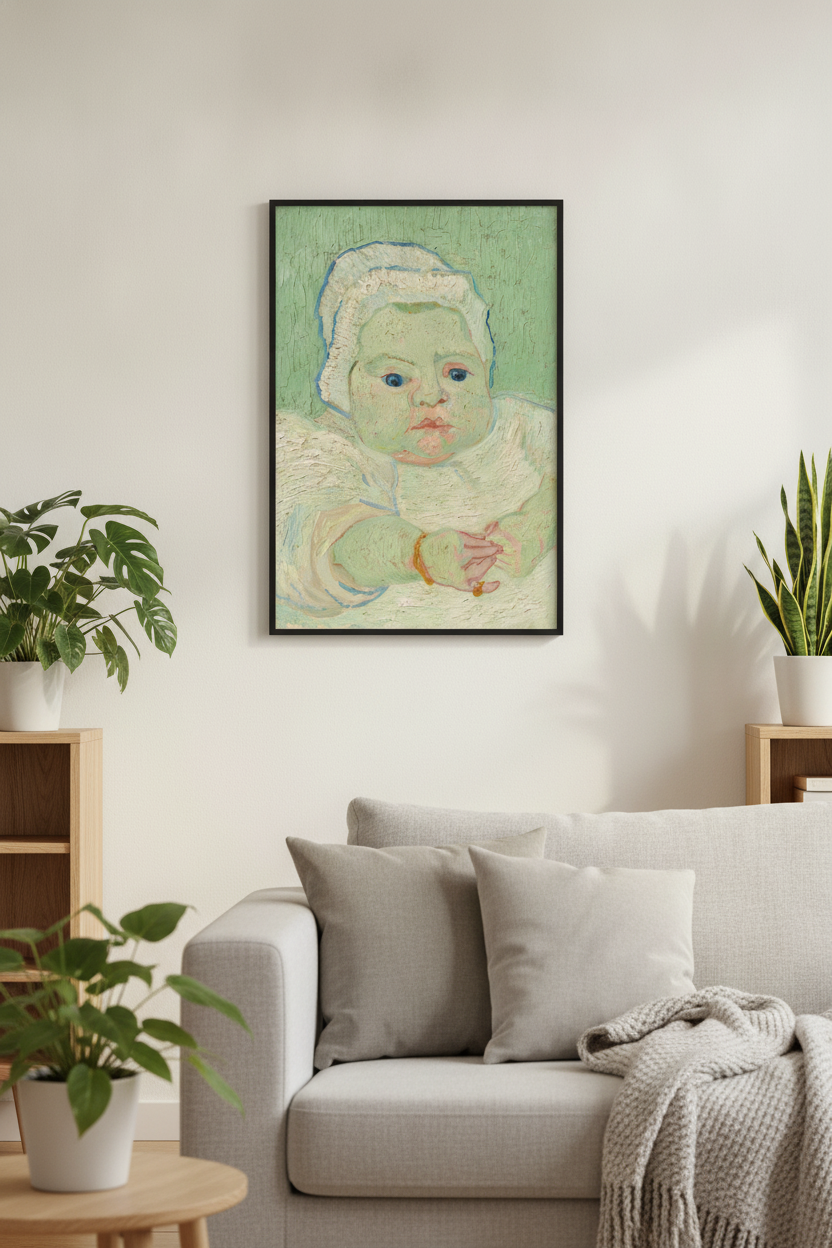
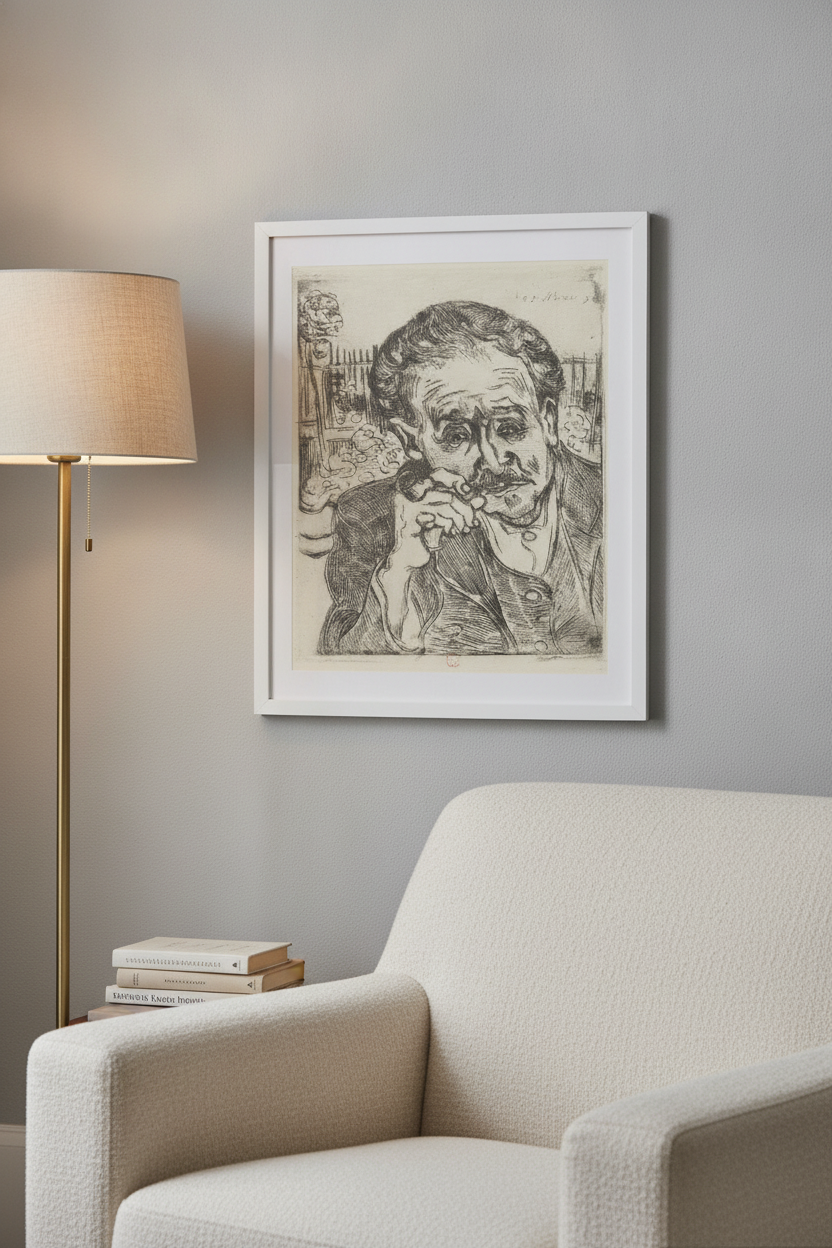
What makes a Van Gogh painting instantly recognizable is its extraordinary kinetic energy. His stylistic signature is defined by a highly tactile application of paint—thick, deliberate strokes known as impasto. These strokes do not just sit on the canvas; they march, swirl, and pulse across it, giving the surface a sculptural power that feels alive.
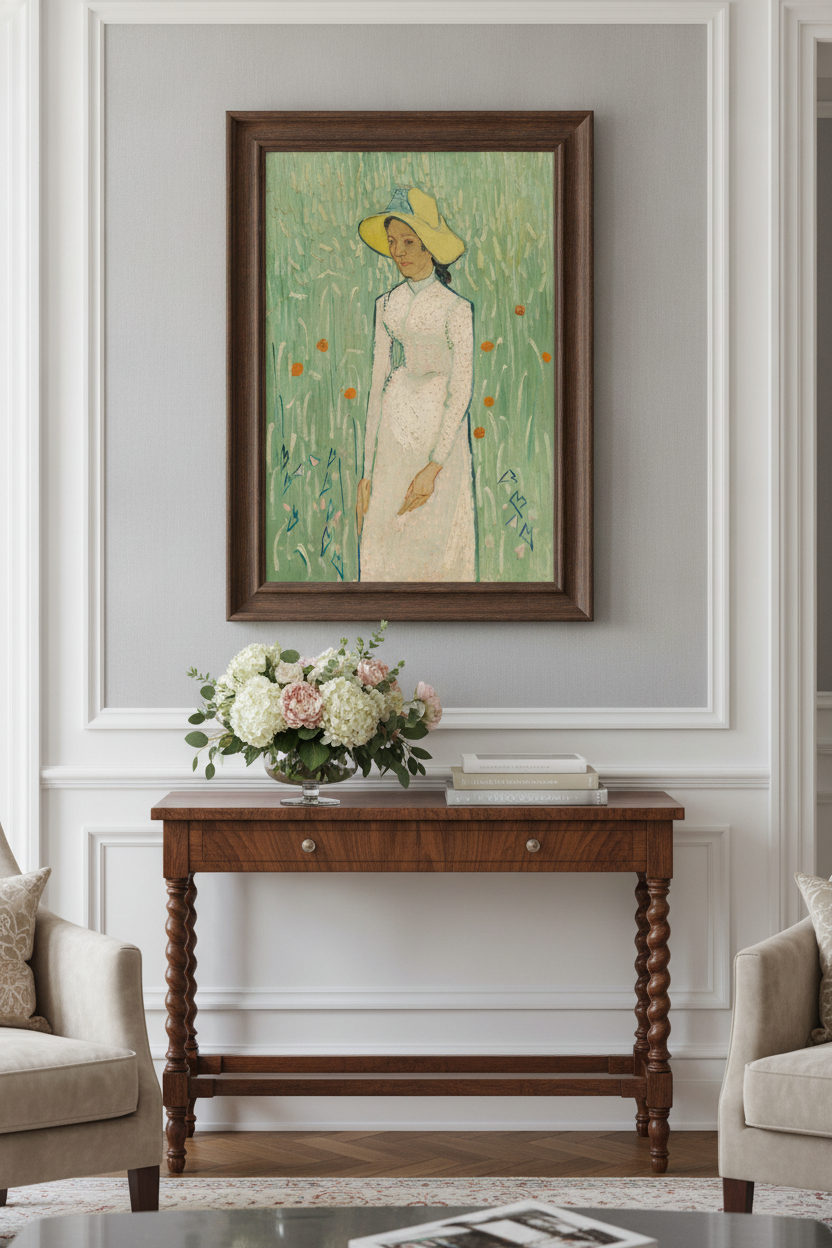
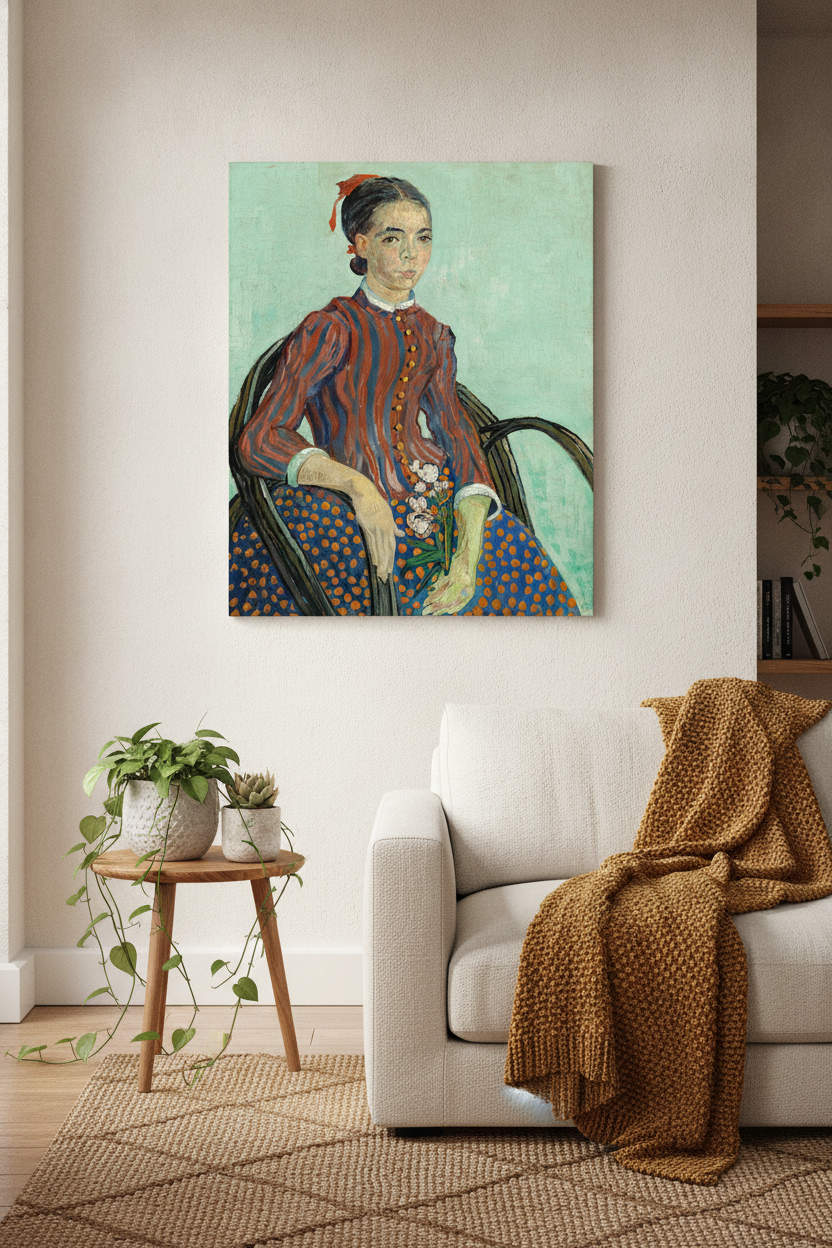
Van Gogh used color not to copy reality, but to express emotion. In portraits like La Mousmé, we see how he paired delicate patterns with bold, contrasting background hues to capture the quiet intensity of youth. Later, in pieces like Girl in White, his brushwork became even more expressive, turning simple portraits into vibrant, swirling compositions of intense luminosity.
Bringing Van Gogh’s Light Into the Modern Home
There is a unique warmth that a Van Gogh reproduction brings to a modern living space. Because his work is so rich in texture and emotion, a high-quality print or canvas acts as an instant focal point. In minimalist or contemporary interiors, where clean lines and neutral tones can sometimes feel cool, the fiery energy of a Van Gogh piece adds soul, movement, and a human touch.
Whether you are drawn to his sun-drenched landscapes or his tender portraits, exploring the Full Vincent van Gogh collection reveals an artist who poured his entire being into every brushstroke. Hanging his work in your home is not just about decoration; it is about bringing a piece of raw, unfiltered humanity into your everyday life.
Frequently asked questions
What is impasto, and how does it affect Van Gogh's work?
Impasto is a technique where paint is applied thickly to the canvas, leaving visible brush or palette knife marks. In Van Gogh's work, this creates a highly tactile, three-dimensional texture that catches the light and gives his paintings an incredible sense of motion and energy.
Why did Van Gogh's style change so dramatically over time?
Van Gogh's early style in the Netherlands was dark and earthy, focusing on peasant life. When he moved to Paris in 1886, he was exposed to Impressionism and Japanese woodblock prints. This encounter completely transformed his approach, leading him to adopt the bright, expressive colors and bold outlines that define his legendary later works.
How do Van Gogh's paintings translate to modern canvas prints?
Because Van Gogh's original masterpieces rely heavily on texture and intense color contrast, high-quality archival canvas prints are exceptionally suited for his work. The subtle texture of the canvas mimics the organic feel of his original woven surfaces, preserving the depth and luminosity of his legendary impasto strokes.