The Light of the Everyday: A Guide to the Dutch Golden Age
In short: In 17th-century Holland, artists turned away from grand religious epics to paint the beauty of real life—moody landscapes, luminous still lifes, and intimate domestic scenes.
The Miracle of the Ordinary
In the seventeenth century, a tiny, damp corner of Europe did something revolutionary. Having recently won independence from the Spanish Empire, the Dutch Republic entered an era of unprecedented wealth, scientific discovery, and global trade. But the most radical shift happened on the canvas. While the rest of Europe was still painting massive, dramatic scenes of saints and ancient kings, Dutch artists turned their eyes to the world right in front of them.
Without a dominant church or a royal court to commission art, painters had to sell their work to a new kind of buyer: the wealthy merchant, the local baker, the tavern keeper. These everyday citizens wanted art they could relate to. They wanted pictures of their flat, wind-swept landscapes, their bustling taverns, and the quiet corners of their own homes. The result was the Dutch Golden Age—an explosion of realism, intimacy, and an almost miraculous mastery of light.
It is estimated that millions of paintings were produced during this century. Art became a part of daily life, hanging in modest homes as well as grand canal houses. This democratization of art changed the subjects painters chose, shifting the focus from the divine to the wonderfully ordinary.
The Mastery of Light and Landscape
Before this era, landscapes were usually just backdrops for historical dramas. The Dutch made the land itself the hero. Painters like Meindert Hobbema captured the towering, cathedral-like clouds of the Low Countries, while others focused on the quiet, rustic charm of the countryside. They understood that the damp Dutch air acted like a giant softbox, scattering light in ways that made even a simple cottage look poetic.
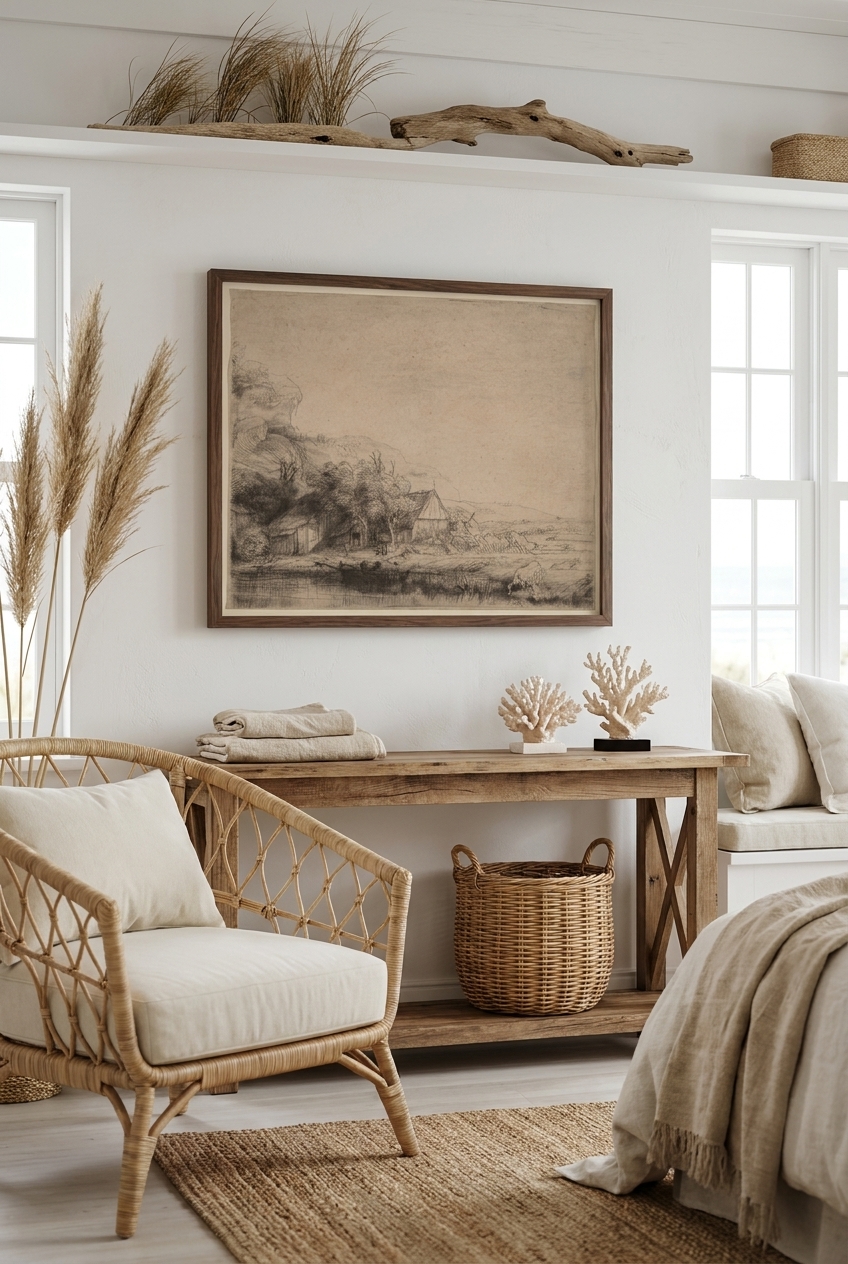
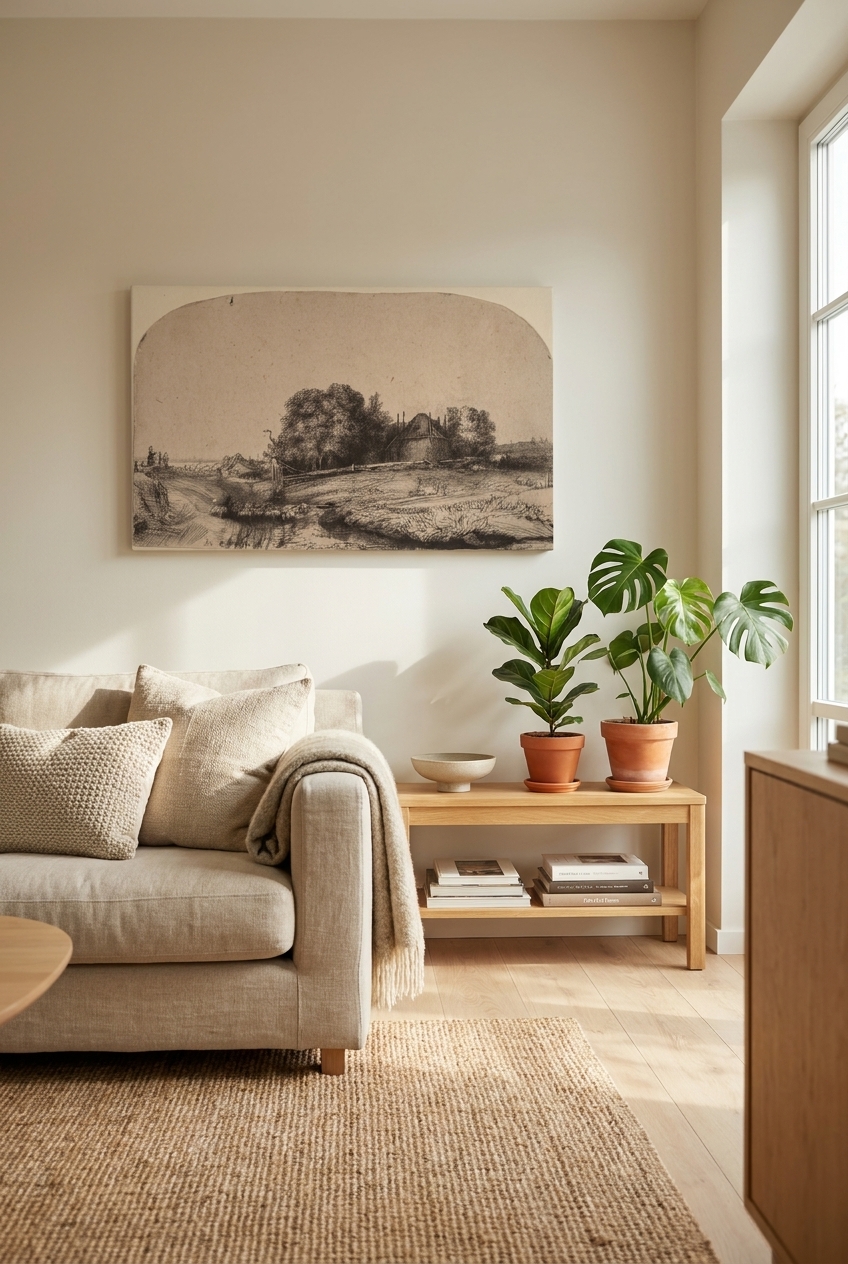
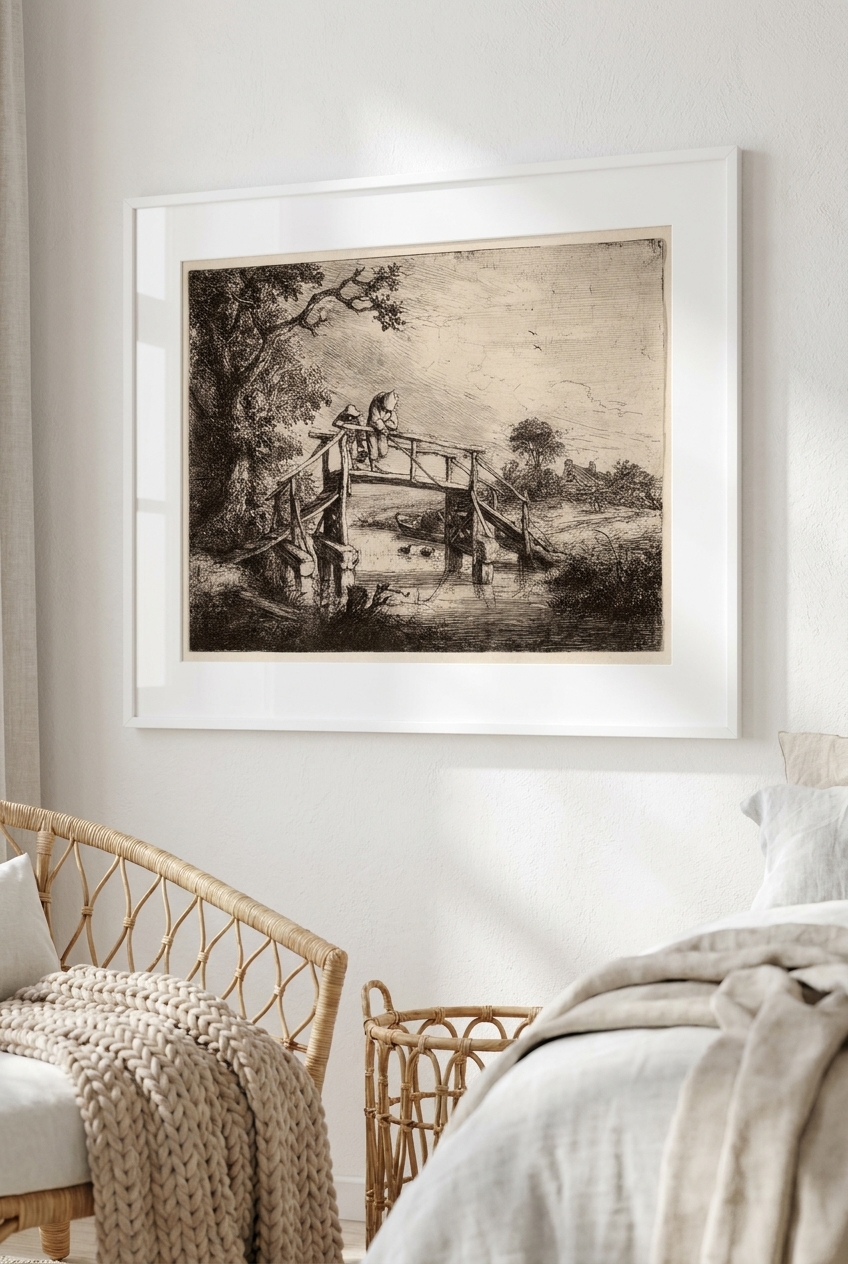
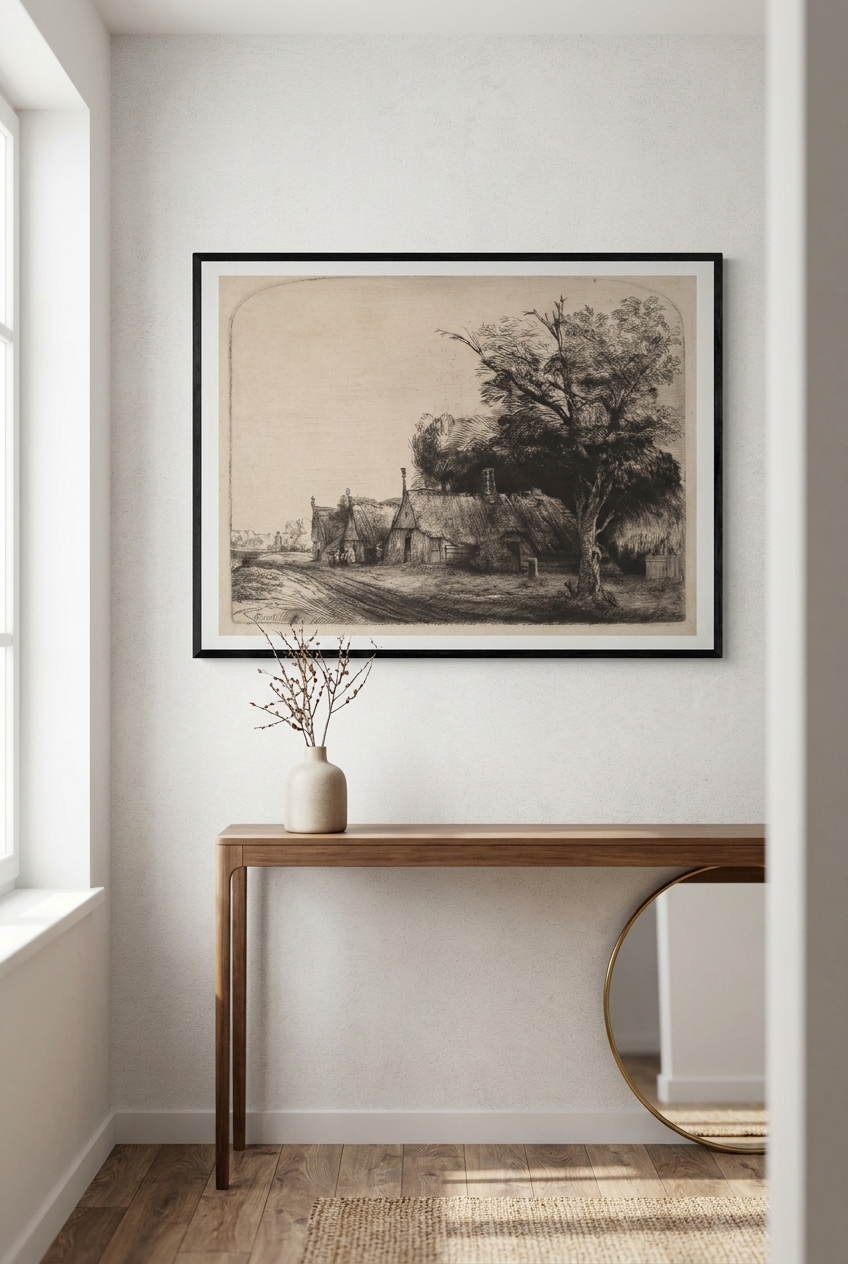
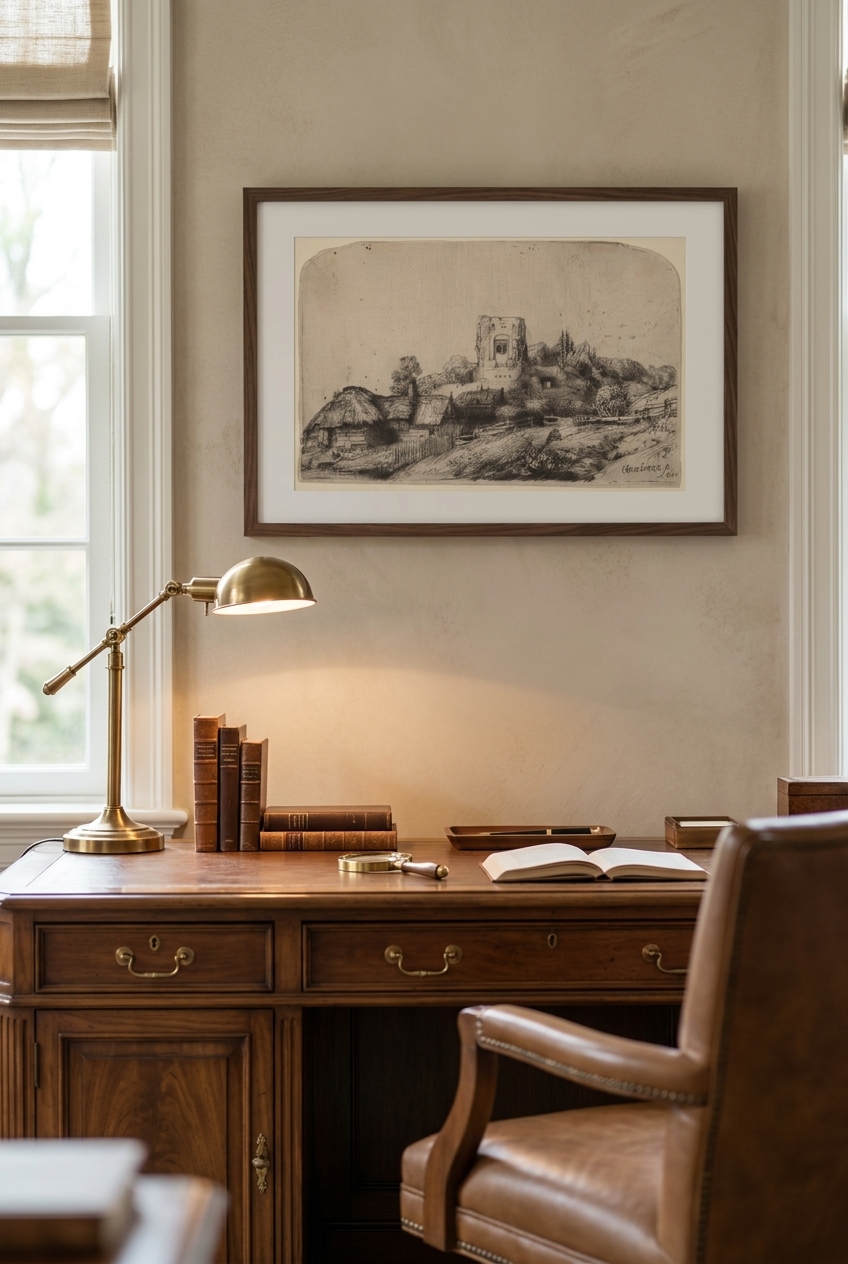
Even Rembrandt van Rijn, famous for his moody portraits, was deeply captivated by the Dutch countryside. In his etchings and drawings, he captured the fleeting nature of weather and rural life with unmatched sensitivity. His Landscape with a Square Tower shows how a master could turn a simple, crumbling structure under a heavy sky into a profound meditation on time. Similarly, artists like Adriaen van Ostade brought a gentle, human touch to these scenes. In his Landscape with a Bridge and Two Fishermen, we see the quiet, slow-paced rhythm of daily life integrated seamlessly into the natural world.
The Quiet Drama of Still Lifes and Genre Scenes
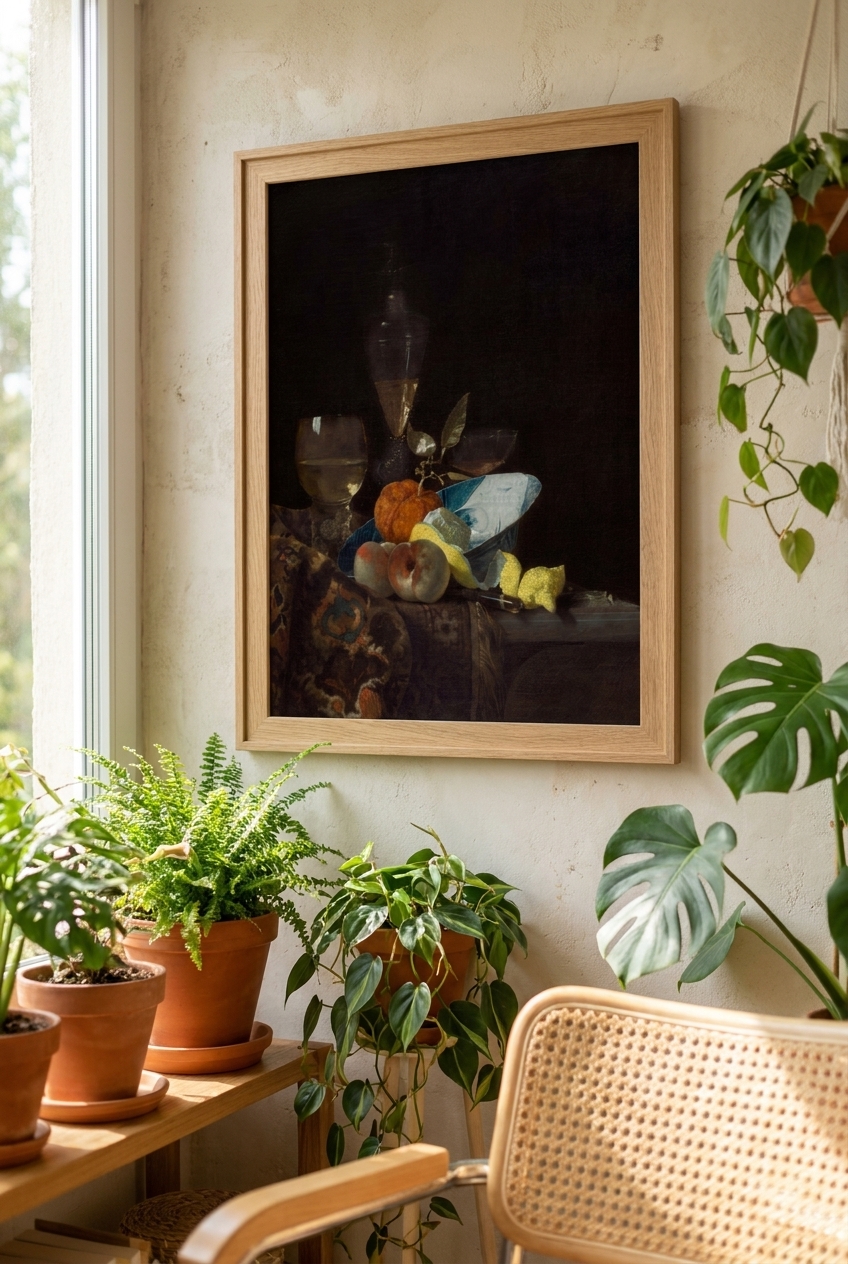
If the landscapes captured the vastness of the Dutch world, still lifes and "genre scenes" (pictures of daily life) captured its texture. This was an era of intense observation. Painters like Willem Kalf took everyday objects—a peeled lemon, a silver goblet, a half-filled glass of wine—and treated them with the reverence of sacred relics. In Kalf's Still Life, the dramatic contrast between deep shadow and glittering, reflective surfaces creates an atmosphere of quiet mystery. These paintings were not just displays of wealth; they were gentle reminders of the transience of life, where a curling lemon peel symbolized the passing of time.
Meanwhile, genre painters like Jacob Duck invited viewers into the lively, sometimes rowdy world of Dutch society. From soldiers resting in guardrooms to elegant families playing music, these scenes offered a window into the humor, morals, and social dynamics of the age. They are characterized by a warm, theatrical light and an incredible attention to the textures of silk, wood, and stone.
Bringing the Golden Age into Your Home
Why does Dutch Golden Age art still feel so vital today? Because it is fundamentally democratic. It does not demand that you know classical mythology or biblical history to appreciate its beauty. It only asks you to look closely at the world around you.
When selecting a piece for your home, consider the mood you want to create. The rich, dark tones and dramatic shadows of a still life or a Rembrandt landscape bring an instant sense of warmth and history to a study, dining room, or cozy reading nook. They pair beautifully with dark wood, brass fixtures, and rich textiles. On the other hand, the airy, spacious quality of a Dutch landscape can make a small room feel much larger, opening up a window to a peaceful, bygone world.
Frequently asked questions
Why is this period called the "Golden Age"?
The 17th century was a period of immense wealth, scientific progress, and artistic flourishing for the Dutch Republic, largely driven by global trade and a rising merchant class.
What is "chiaroscuro" and why is it so common in these paintings?
Chiaroscuro is the use of strong contrasts between light and dark. Dutch artists used it to create drama, depth, and a sense of intimacy, making subjects look as if they were emerging from the shadows.
What are "genre paintings"?
Genre paintings are scenes of everyday life, featuring ordinary people doing ordinary things—like drinking in taverns, reading letters, or preparing meals. They were highly popular in the Dutch Republic.
How do I care for a fine-art reproduction of a Dutch Golden Age print?
To preserve the rich details and deep tones, frame your print behind UV-protective glass and hang it away from direct sunlight and high humidity.