The Luminous Harmony of 18th-Century Italian Art
In short: Italian 18th-century art beautifully bridges Baroque drama and Classical poise, offering luminous, balanced compositions that bring timeless elegance to modern walls.
The Golden Twilight of the Grand Tour
In the eighteenth century, Italy became the ultimate destination for the cultured traveler. Wealthy young aristocrats on the Grand Tour flocked to Rome, Venice, and Florence, seeking the roots of Western beauty. What they found was a landscape steeped in history, where the dramatic, heavy theatricality of the Baroque era was gently giving way to a new dawn: the Classical revival. Italian artists of this period became masters of capturing this transition, blending the grandeur of the past with a fresh, airy clarity. It was an era of artistic poise, where ancient ruins and sun-drenched hillsides were rendered with a poetic, scholarly reverence.
Light, Line, and the Classical Ideal
To look at an Italian drawing or painting from this era is to experience a masterclass in luminous harmony. Unlike the dark, moody shadows of the previous century, eighteenth-century classical art breathes with light. Artists achieved this through an effortless virtuosity, combining precise ink work and fine chalks with delicate, transparent washes. This technique allowed them to capture both the structured geometry of classical architecture and the soft, atmospheric haze of the Italian countryside. Whether depicting a mythological allegory or a quiet pastoral scene, these works emphasize balance, proportion, and an enduring sense of calm.
The Elegance of Decorative Details
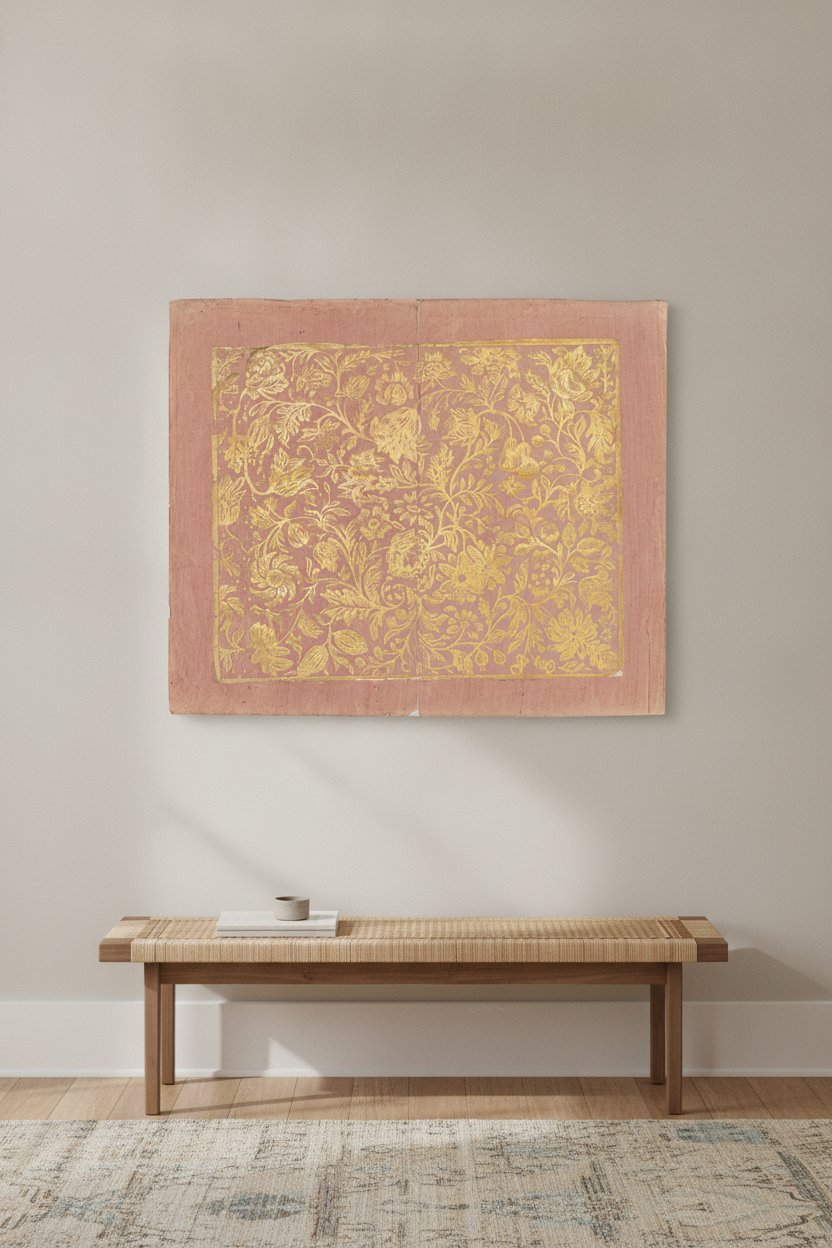
The classical revival was not limited to grand canvases and frescoed ceilings; it infused the very paper and objects of daily life. Printmakers and designers brought the same dedication to draftsmanship to decorative arts, creating patterns that balanced organic warmth with classical symmetry. Exquisite examples of this can be found in the period's bookbinding and paper arts, such as the stunning Endpaper with Floral Pattern. Another magnificent survival of this decorative ethos is the Endpaper with Mixed Floral Pattern, which showcases how Italian artisans could transform simple botanical motifs into structured, elegant designs fit for a noble library.
Why Italian Classical Art Belongs in the Modern Home
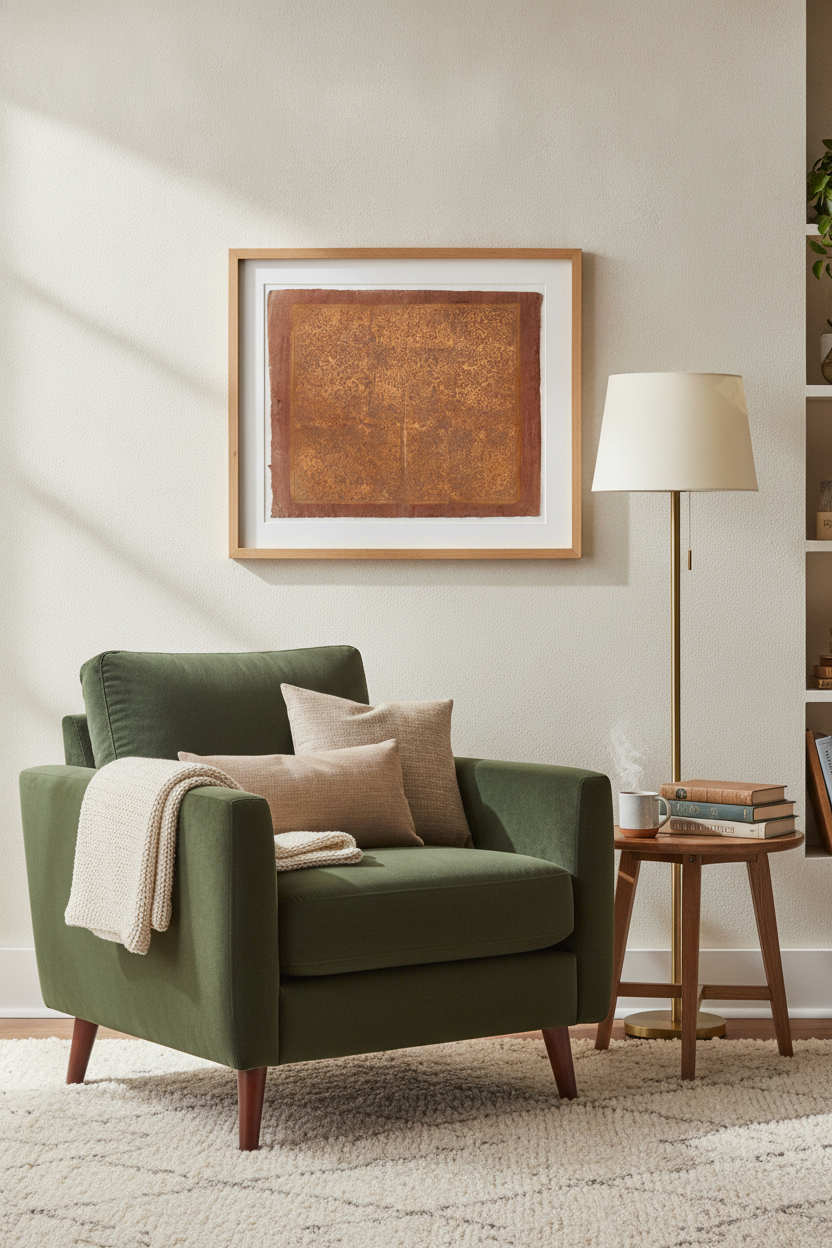
There is a timelessness to eighteenth-century Italian art that makes it exceptionally suited for contemporary interiors. Because these works rely on balanced compositions and a sophisticated, often neutral color palette of warm earth tones, soft ochres, and chalky blues, they bring an instant sense of serenity to a room. A high-quality print or canvas from our Full Italian 18th Century collection acts as a window to another world—one of quiet contemplation, architectural beauty, and golden Mediterranean light. They offer an elegant focal point that complements both minimalist modern spaces and traditional, layered decors.
Frequently asked questions
What exactly was the "Grand Tour" and how did it affect Italian art?
The Grand Tour was a traditional rite of passage for wealthy young European aristocrats in the 17th and 18th centuries. They traveled through Italy to study classical history, art, and language. This created a massive market for Italian artists, who produced landscapes, architectural drawings of ruins, and decorative souvenirs to be taken back home, spreading the Classical style across Europe.
How does the Classical style differ from the Baroque style that preceded it?
While Baroque art is famous for its intense drama, deep shadows, and emotional tension, Classical 18th-century art focuses on balance, clarity, and harmony. It features lighter color palettes, a softer representation of natural light, and a strong emphasis on precise draftsmanship and classical proportions.
What are "endpapers" and why are they collected as fine art?
Endpapers are the decorative sheets pasted to the inside covers of hand-bound books. In 18th-century Italy, these were often hand-printed or marbled using exquisite woodblocks and copperplate engravings. Today, they are highly prized as standalone works of graphic art due to their intricate patterns, historical charm, and timeless decorative appeal.