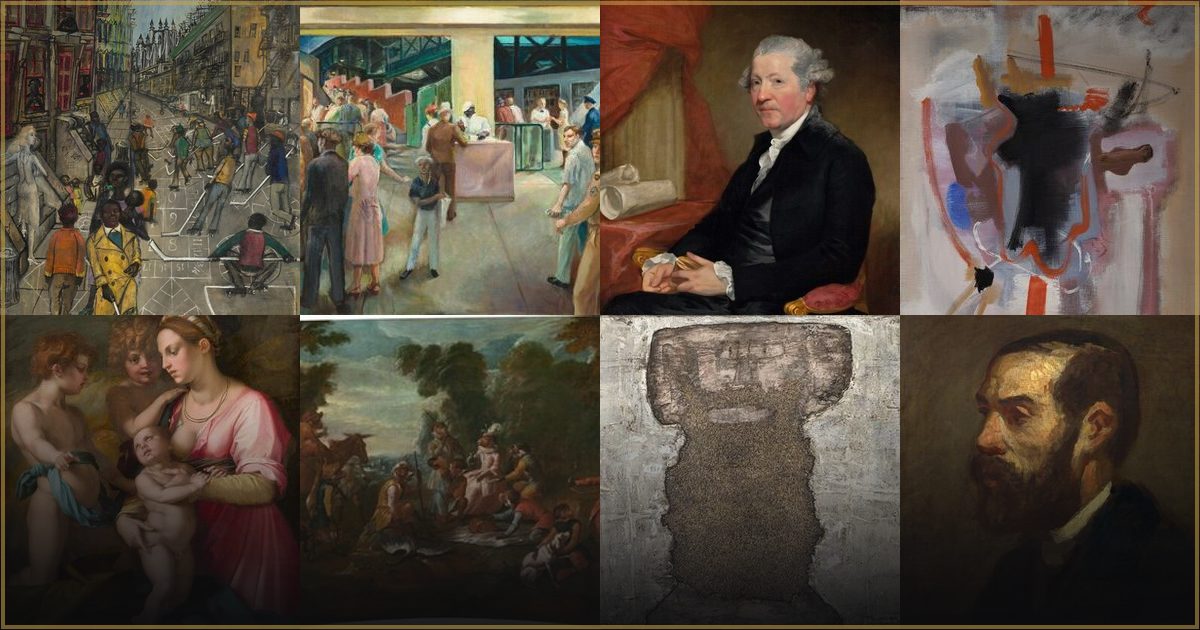
The Luminous Quiet of 19th-Century Italian Classicism
In short: 19th-century Italian classical painters blended the grandeur of ancient Rome with soft Mediterranean light, creating balanced, serene scenes that bring a sense of calm and historic elegance to modern interiors.
The Echo of Antiquity
In the nineteenth century, Italy was the beating heart of the artistic world, a living museum where the past and present existed in a constant, beautiful dance. Artists from across Europe and local Italian masters lived and worked in the literal shadow of antiquity. This was an era marked by a profound dialogue with the classical past. Rather than simply copying ancient ruins, painters sought to reconcile the grand scale of antiquity with a burgeoning modern sensibility, creating works that felt both historic and deeply personal.
Exploring the Full Italian 19th Century collection reveals how these creators captured a world suspended between myth and reality. From the sun-drenched ruins of the Roman Forum to the quiet, dusty paths of the Tuscan countryside, these paintings offer a retreat into a world of academic rigor, balanced proportions, and a devotion to ideal beauty. They represent a moment in art history where technique reached a pinnacle of refined elegance.
Light, Balance, and Meticulous Detail
What makes these paintings so arresting to the modern eye is their incredible sense of balance and luminous clarity. The artists of this era were masters of draftsmanship, but their true secret weapon was their handling of light. They captured the unique interplay of warm Mediterranean sunlight and the cool, sharp shadows cast by ancient marble columns and stone archways. This contrast creates a sense of quiet monumentality, transforming everyday vistas and historical narratives into scenes of serene, poetic contemplation.
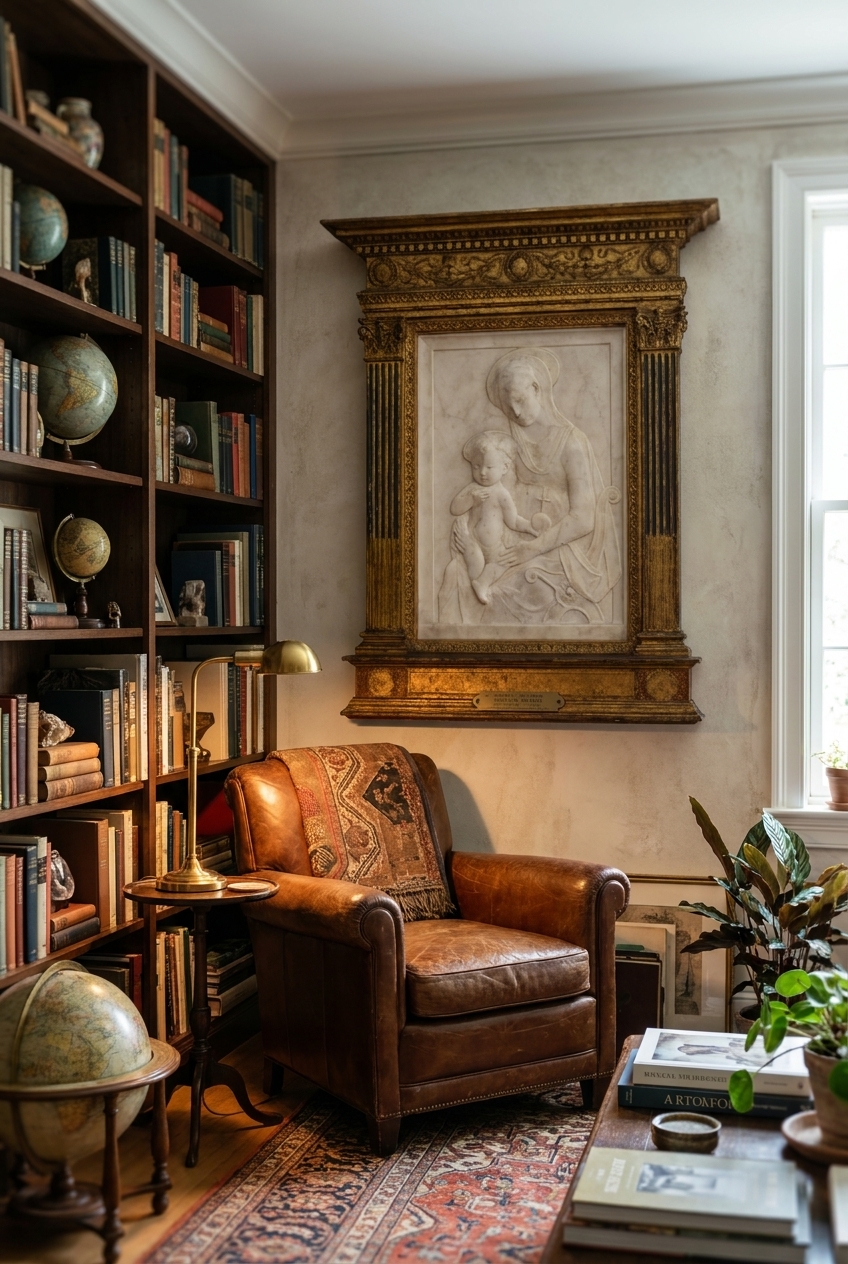
Every brushstroke in these works is deliberate, resulting in a smooth, meticulous finish that feels both incredibly real and dreamily idealized. A perfect example of this refined approach is the Madonna and Child from the mid-19th century. This piece showcases the era's signature tenderness, balanced composition, and soft, glowing atmosphere, demonstrating how sacred themes were rendered with a gentle, human touch that resonates across centuries.
A Serene Presence in the Modern Home
There is a common misconception that classical art belongs only in drafty museums or dark, wood-paneled libraries. In truth, these 19th-century Italian masterpieces are incredibly well-suited to contemporary spaces. Modern homes often feature clean lines, neutral color palettes, and large windows that let in abundant natural light. The balanced compositions and serene subject matter of classical Italian paintings act as a perfect visual anchor, bringing warmth and a sense of history to minimalist rooms.
Whether you choose a framed fine-art print to hang above a living room mantelpiece or a large stretched canvas to serve as a focal point in a dining room, these works invite viewers to slow down. When paired with a simple, elegant frame, the golden tones and architectural lines of these prints create a sophisticated bridge between the ancient world and modern living, making your home feel curated, peaceful, and timeless.
Frequently asked questions
What defines the style of 19th-century Italian classical painting?
This style is characterized by academic rigor, balanced compositions, and luminous clarity. Artists focused on ideal beauty, using meticulous brushwork and a careful contrast between warm Mediterranean light and cool, architectural shadows to create a sense of quiet monumentality.
How did these artists capture the unique light of Italy?
They studied the natural landscape and ancient ruins firsthand, mastering the interplay of bright, warm sunlight and the soft, cool shadows cast by stone structures. This technique gave their paintings a glowing, atmospheric quality that feels both realistic and poetic.
Why do these classical works suit modern interior design?
Their balanced compositions and calm, neutral-to-warm color palettes offer a serene focal point that complements the clean lines of modern furniture. They bring a layer of history, warmth, and sophistication to contemporary, minimalist spaces.