The Quiet Dignity of American Classical Realism
In short: In the mid-20th century, a dedicated group of American artists bypassed modern abstraction to preserve classical techniques, creating serene, light-filled depictions of everyday life and folk art that bring a sense of calm and structure to modern homes.
The Quiet Rebellion of the Classical Eye
In the middle of the twentieth century, as the art world rushed headlong into bold abstraction and chaotic expressionism, a quiet rebellion was taking place. A dedicated group of American artists chose a different path. Instead of abandoning the past, they looked back to the rigorous draftsmanship and luminous light of the Old Masters. This movement, often referred to as American Classical Realism, brought a sense of order, discipline, and quiet dignity to the rapidly changing modern world.
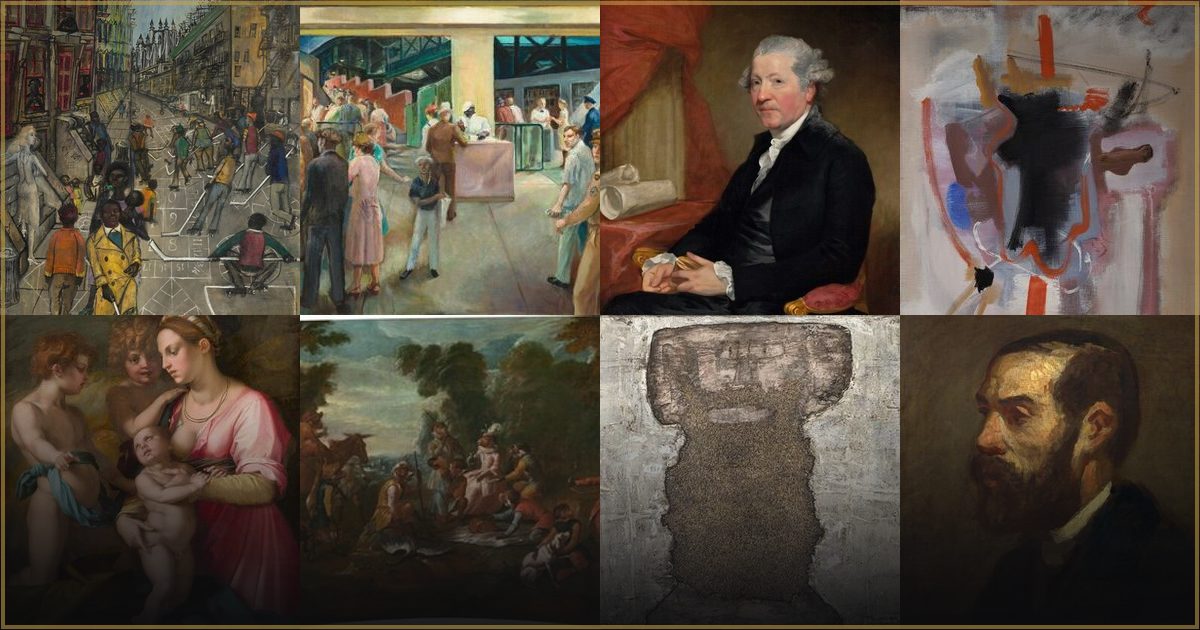
Rather than seeking to shock the viewer, these artists sought to ground them. Working within an academic lineage, they prioritized anatomical precision, meticulous composition, and a deep reverence for traditional techniques. You can explore this fascinating era of preservation and poise through our Full American 20th Century collection, which celebrates this unique marriage of classical European training and a distinctly American sensibility.
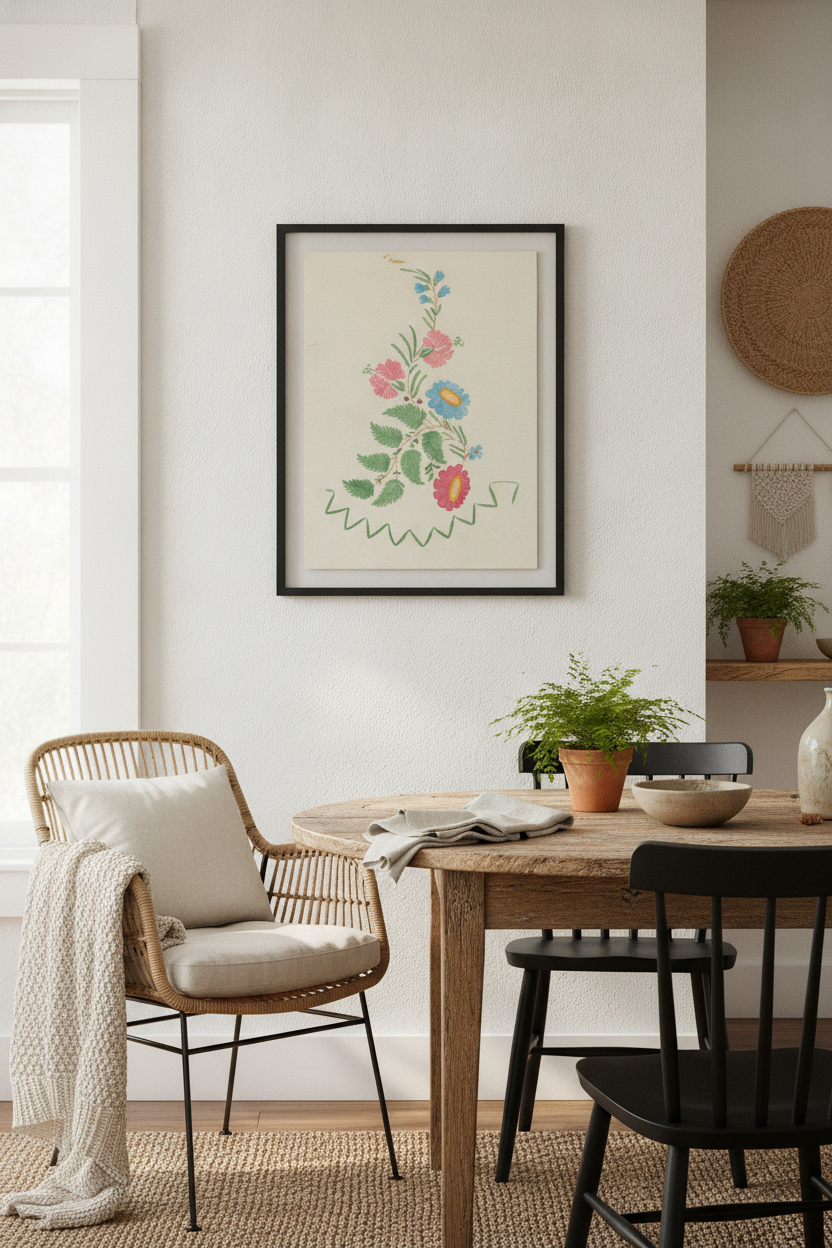
Style, Light, and the Magic of the Everyday
What makes these works so arresting is their ability to elevate the ordinary into the monumental. The subjects are rarely grand historical scenes or dramatic mythological battles. Instead, they are quiet domestic interiors, simple landscapes, and the beautifully crafted objects of daily life. During the late 1930s and early 1940s, artists working under projects like the Index of American Design documented everyday items with breathtaking, photographic precision, treating folk craft with the same reverence the Old Masters reserved for royalty.
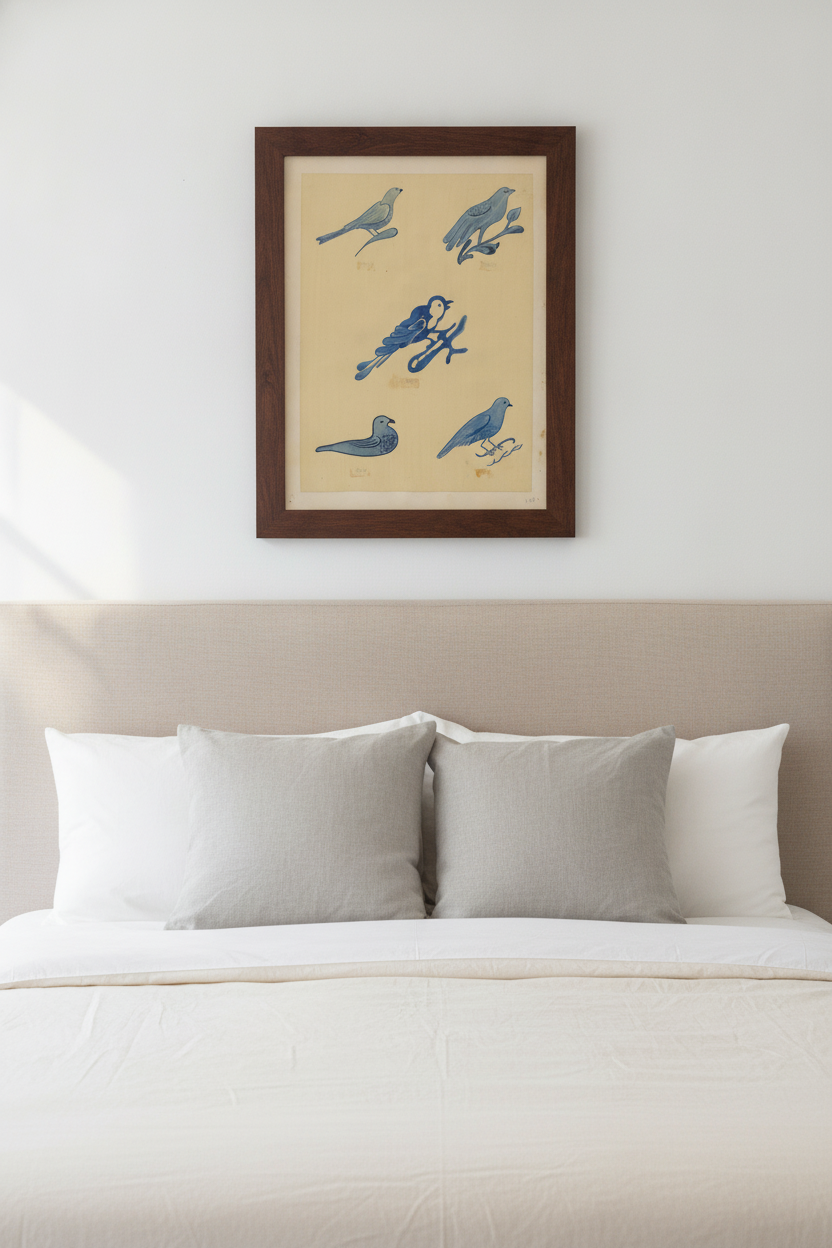
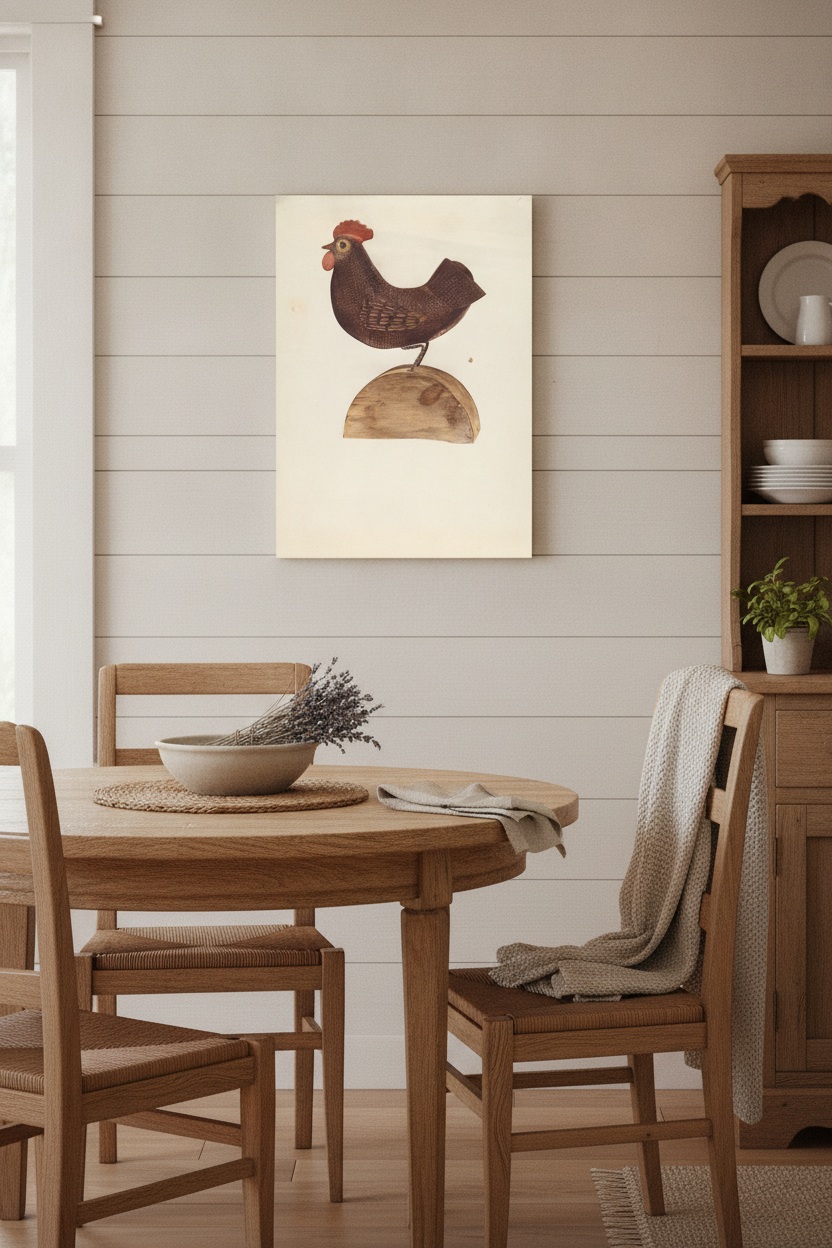
Consider the exquisite rendering of Bird Decorations on Stoneware. Through a highly restrained palette and masterful tonal control, a simple piece of utilitarian pottery becomes a profound study in texture, form, and history. The light in these works doesn't just illuminate the object; it cradles it, creating an atmosphere of deep stillness and contemplation. Similarly, the rendering of a Carved Bird showcases how these artists used subtle gradations of shadow to give humble wooden folk art a sculptural, three-dimensional presence on paper. Every crack in the wood, every stroke of the original craftsman's knife, is preserved with devotion.
Why These Works Belong in the Modern Home
In our fast-paced, screen-dominated lives, our homes have become sanctuaries where we seek calm, focus, and connection to the tangible world. This is precisely why 20th-century American classical realist prints work so beautifully in modern interiors. They do not shout for attention or demand emotional exhaustion; instead, they offer a resting place for the eyes and a quiet anchor for the mind.
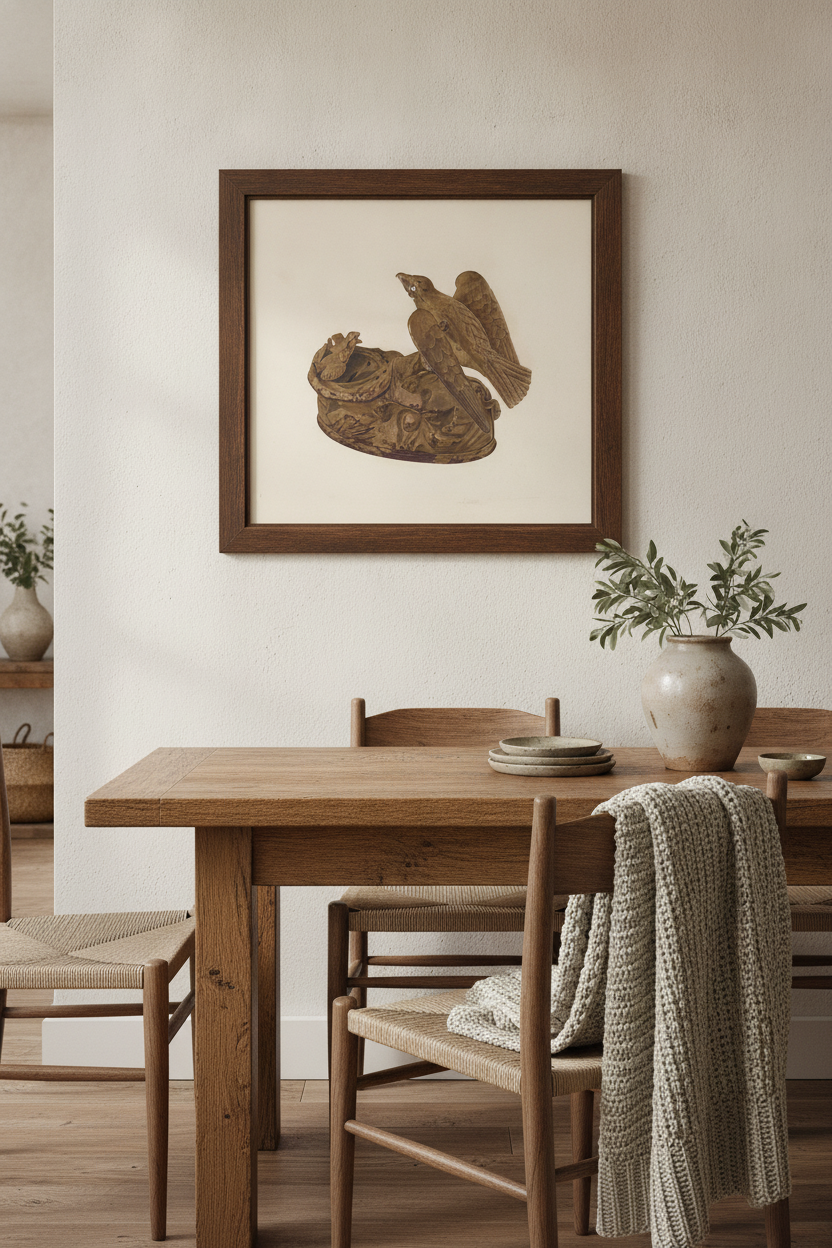
The formal discipline of these compositions brings a sense of structural balance to any room. A piece like the Toy Bank: Bird Feeding its Young combines historical charm with clean, balanced lines that sit comfortably alongside modern, minimalist furniture. The earthy, organic color palettes—rich ochres, soft grays, warm charcoal, and muted creams—complement contemporary interior design beautifully. Whether printed on museum-quality archival paper or stretched canvas, these works bridge the gap between historic craftsmanship and contemporary design, offering a timeless aesthetic that brings warmth and quiet confidence to your walls.
Frequently asked questions
What exactly is American Classical Realism?
It is an artistic movement that prioritizes traditional academic skills, such as precise draftsmanship, anatomical accuracy, and a deep study of light and shade, applying these Old Master techniques to American subjects and everyday scenes.
What was the Index of American Design?
Active between 1935 and 1942 as part of the Federal Art Project, this initiative employed artists to create thousands of highly detailed watercolor renderings of American folk art and material culture, preserving these designs for future generations with classical precision.
How do these prints fit into contemporary interior design?
Their neutral palettes, clean compositions, and focus on simple, elegant subjects make them incredibly versatile. They add warmth to minimalist spaces, ground modern rooms, and complement traditional decor beautifully.