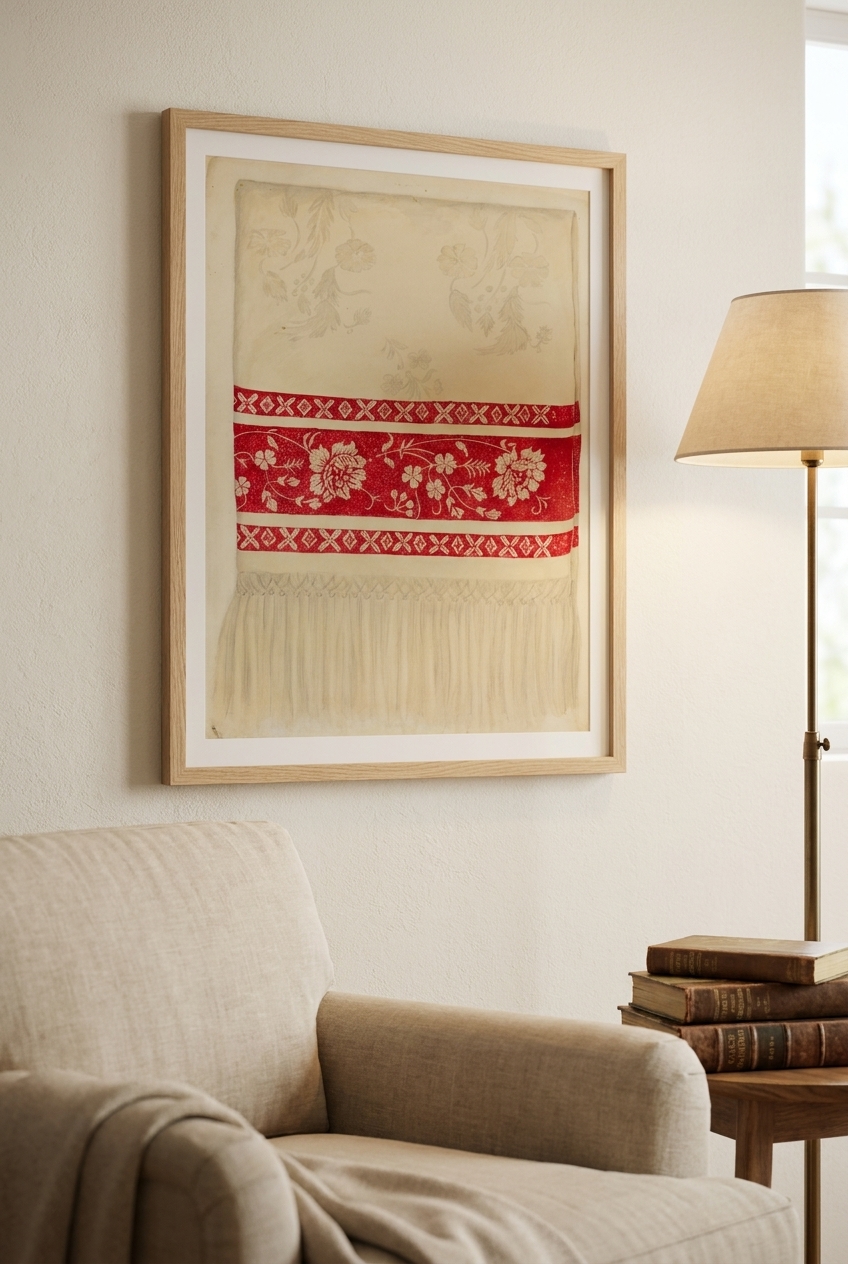
The Quiet Grandeur of Eva Wilson: Classical Harmony in Everyday Details
In short: Eva Wilson applied the rigorous principles of classical art—order, balance, and soft, diffused light—to everyday domestic textiles, creating prints that bring a sense of calm, tactile warmth, and timeless dignity to modern spaces.
The Quiet Grandeur of the Everyday
When we think of the classical tradition, our minds often wander to towering marble columns, idealized mythological figures, and grand historical narratives. Yet, some of the most profound expressions of classical harmony can be found in the quietest corners of our lives. The work of artist Eva Wilson reminds us that the quest for order, balance, and beauty is not reserved solely for the monumental. Instead, she brought the rigorous discipline of academic draftsmanship to the intimate world of domestic textiles, elevating everyday objects into timeless masterpieces of form and light.
Active during an era that sought to document and preserve the rich heritage of American design, Wilson approached her subjects with a rare, reverent focus. Her compositions are not mere illustrations; they are quiet meditations on texture, structure, and symmetry. By applying a classical sensibility to the humble materials of daily life, she captured a serene dignity that transcends the fleeting trends of her time and ours.
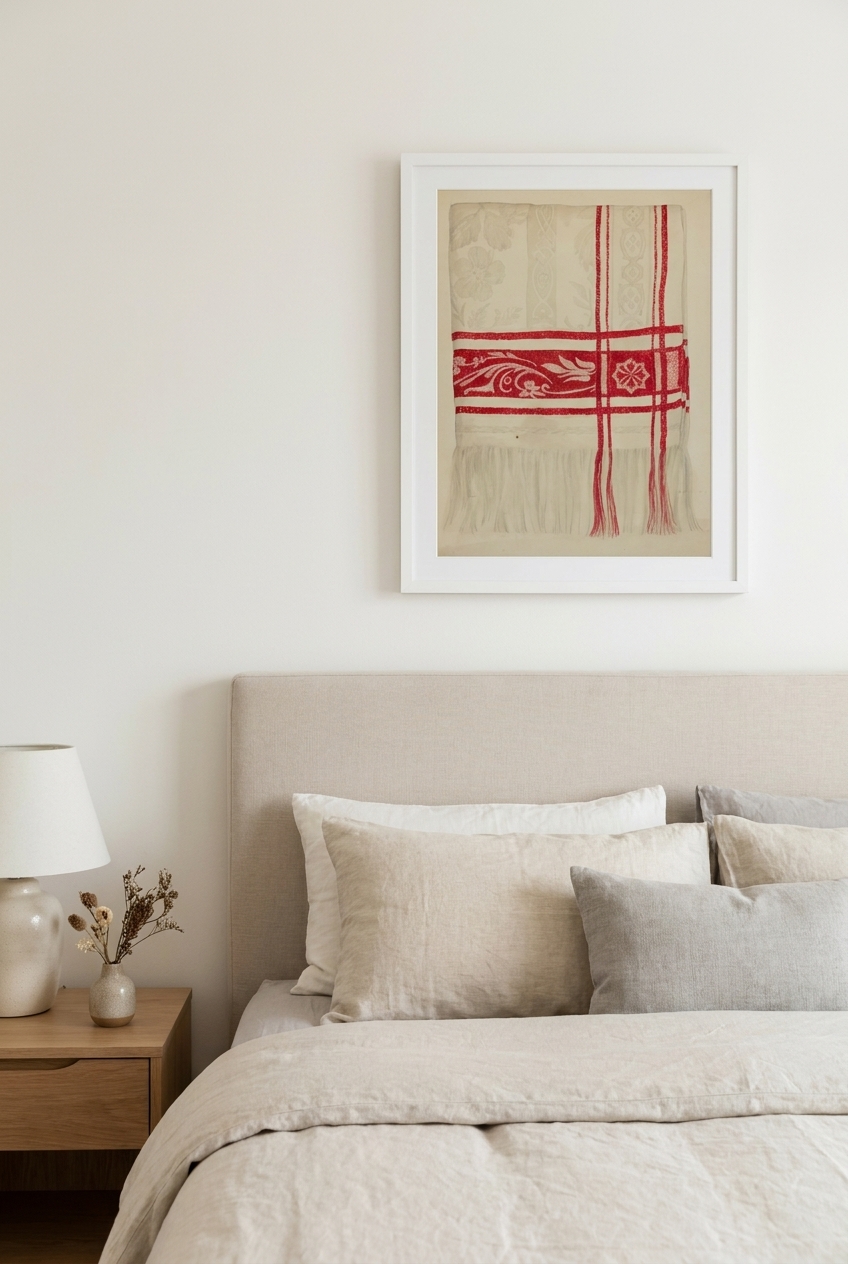
The Anatomy of Serene Draftsmanship
What makes Wilson's work so arresting is her mastery of structural clarity. Rooted in the enduring principles of classical art, her compositions prioritize balanced proportions and deliberate lines. There is no chaos here, no rushed execution. Every thread, fold, and floral motif is rendered with a precise, academic hand that speaks to a deep respect for craftsmanship.
Her stylistic signature lies in her delicate handling of light and form. Wilson used soft, diffused illumination to gently carve out her subjects, creating a subtle three-dimensional quality that feels incredibly lifelike. This gentle play of shadow and light avoids harsh contrasts, wrapping each piece in a warm, atmospheric glow. The result is a sense of timeless tranquility—a visual hush that invites the viewer to slow down, look closer, and appreciate the quiet beauty of well-made things.
Masterpieces of Pattern and Texture
To truly appreciate Wilson's genius, one must look at how she translated the tactile feel of woven fabric onto paper. In her stunning piece, the Linen Towel - Flower Design (c. 1936), she captures the delicate weight of linen and the intricate geometry of embroidered blossoms. The composition feels perfectly anchored, demonstrating her innate understanding of classical symmetry and decorative grace.
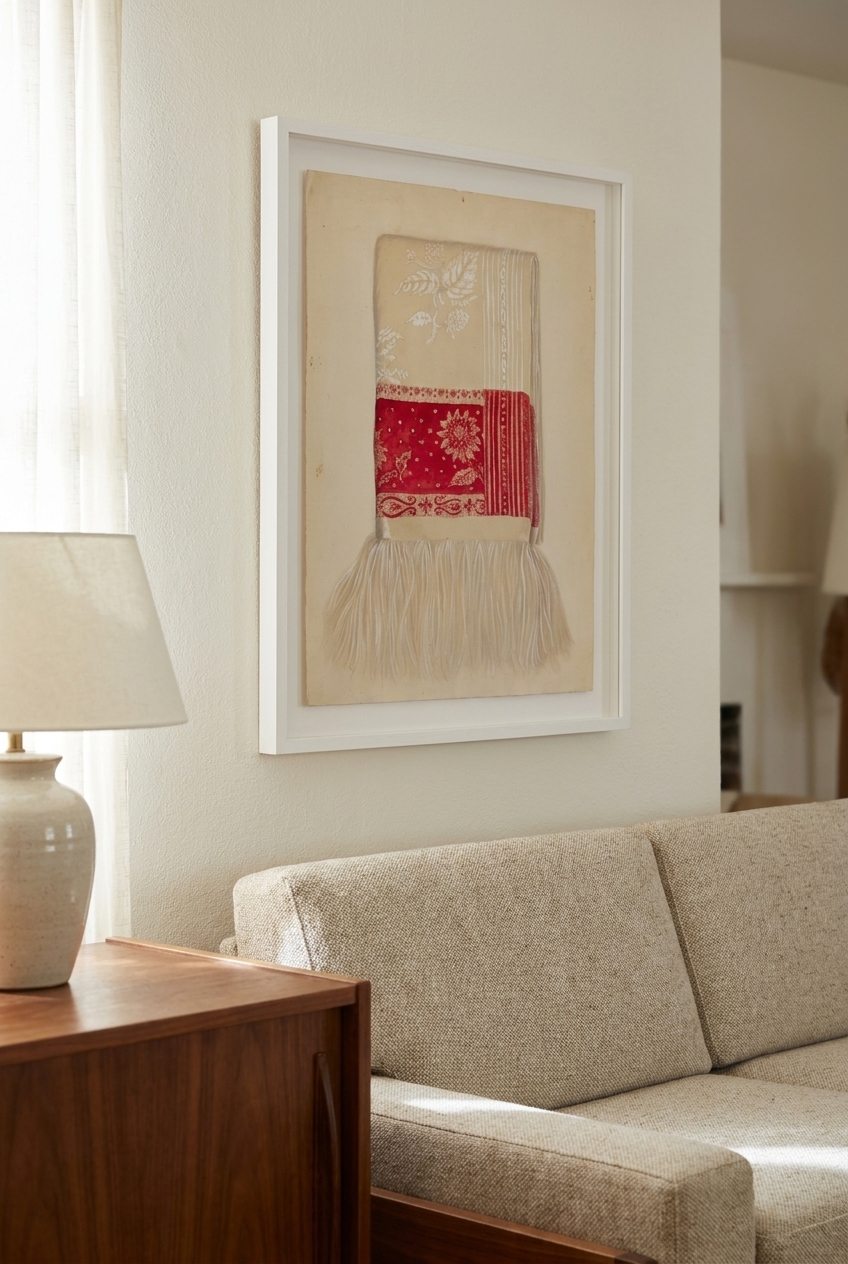
Another exceptional example of her skill is the Linen - Red Border with Sunflower (c. 1937). Here, the bold, warm tones of the border contrast beautifully with the meticulous, radiating petals of the sunflower. Wilson manages to make a simple piece of household linen feel as noble and structured as a classical frieze. The precision of her linework combined with the soft, organic forms of the botanical elements showcases her ability to balance human discipline with the natural world.
Bringing Classical Tranquility Home
In our fast-paced digital age, our homes have become sanctuaries where we seek comfort, clarity, and grounding. This is precisely why Wilson’s artwork resonates so deeply today. Her prints offer a beautiful bridge between the rustic warmth of traditional crafts and the clean, orderly lines of modern minimalism. They do not shout for attention; instead, they enrich a room with their quiet presence.
Whether displayed as a textured canvas in a sunlit kitchen or as a framed fine-art print in a calm study, these works bring an air of sophisticated simplicity to any wall. Exploring the Full Eva Wilson collection reveals a curated world of balance and beauty, offering the perfect visual remedy to the clutter of modern life. By bringing her classical eye into your living space, you invite a lasting sense of order, harmony, and quiet grandeur into your everyday routine.
Frequently asked questions
What artistic movement or style does Eva Wilson's work belong to?
Eva Wilson’s work is deeply rooted in the classical tradition, characterized by academic draftsmanship, structural clarity, and balanced proportions. Her style focuses on order, harmony, and the use of soft, diffused light to render everyday subjects with timeless dignity.
How do these prints fit into modern interior design?
Because of their clean lines, balanced compositions, and warm, neutral tones, Wilson's pieces fit beautifully into a variety of modern interiors. They complement minimalist, Scandinavian, rustic, and transitional styles, adding a layer of tactile warmth and quiet sophistication.
What medium did Eva Wilson originally use for these works?
Wilson typically worked with watercolor, gouache, and fine ink on paper to achieve her incredibly precise renderings. Her meticulous technique allowed her to capture the exact texture of woven linen and delicate embroidery with astonishing realism.