The Quiet Order of Clyde L. Cheney: Classical Harmony for the Modern Home
In short: Clyde L. Cheney’s work brings the disciplined beauty of classical academic realism into the everyday. With a focus on balance, subtle light, and structural clarity, these pieces offer a grounding, peaceful presence for contemporary interiors.
The Appeal of Quiet Dignity
In a world that often feels loud, chaotic, and relentlessly fast, there is a profound comfort in art that slows us down. The work of Clyde L. Cheney does exactly that. Rooted in the rich traditions of classical academic realism, Cheney’s art is an invitation to pause. It does not shout for attention; instead, it commands the room through a quiet, dignified presence and an unwavering commitment to formal harmony.
By drawing inspiration from the grand European academies, Cheney took everyday subjects and elevated them. There is a sense of timeless order in these compositions, where the natural world and simple objects are treated with the utmost reverence. For anyone looking to bring a sense of grounding and peace into their living space, exploring the full Clyde L. Cheney collection is a wonderful place to start.
The Anatomy of Classical Style
What makes Cheney’s work so visually arresting? It comes down to a disciplined mastery of draftsmanship and an incredibly refined eye for light. Rather than relying on bright, jarring colors, these pieces utilize a restrained palette. The magic happens in the subtle gradations of shadow and highlight, a technique directly inspired by the old masters.
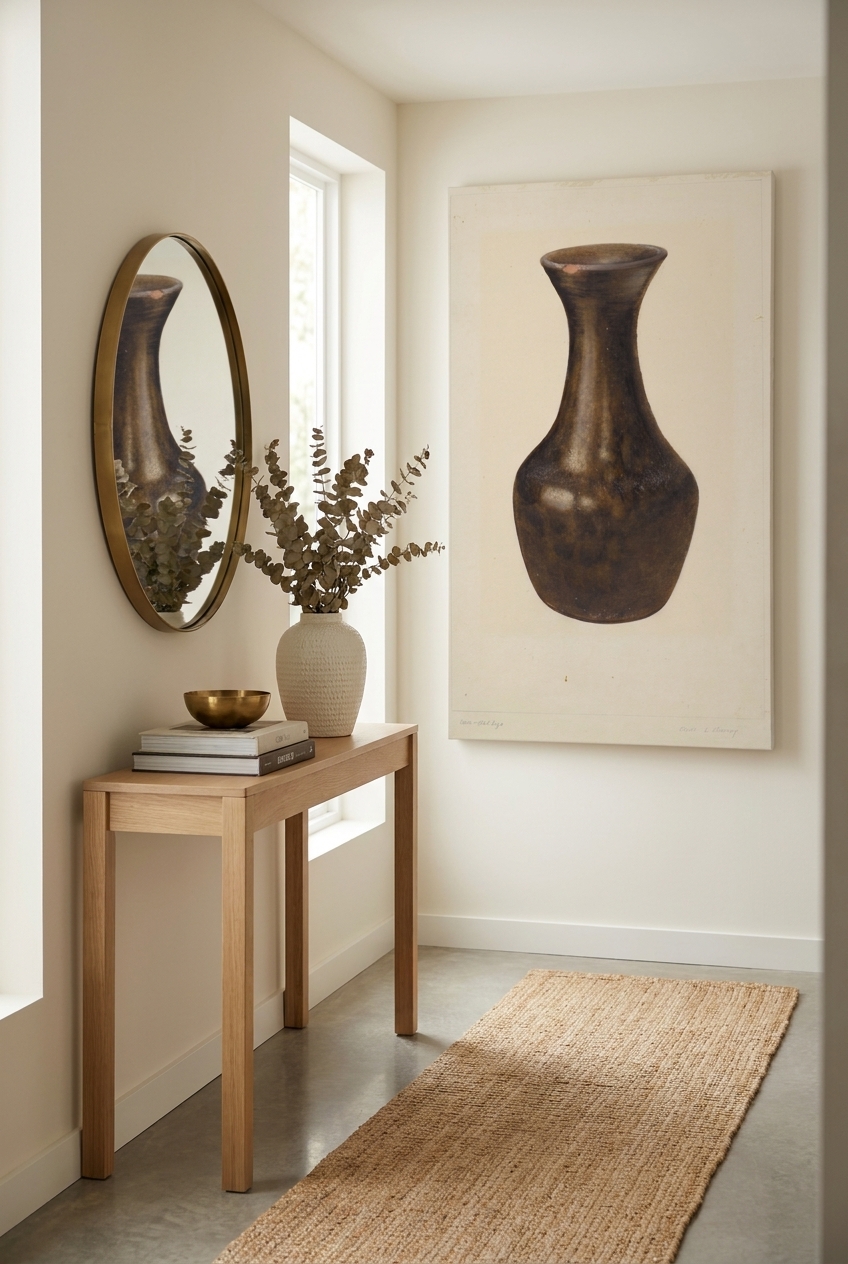
This careful manipulation of tone builds a remarkable sense of depth and weight. When you look at a piece like Crockery Flower Vase, you can almost feel the cool ceramic surface and the delicate texture of the petals. Every line is deliberate, and every shadow serves a purpose. There is nothing superfluous here—only a clean, structural clarity that feels incredibly satisfying to look at day after day.
Crafting Atmosphere from the Everyday
Classical realism is sometimes misunderstood as merely copying what is there. But Cheney’s work proves it is much more than that. It is about capturing an atmosphere, a specific mood of quiet permanence. By focusing on balanced compositions, Cheney creates a unified whole where every element feels perfectly placed.
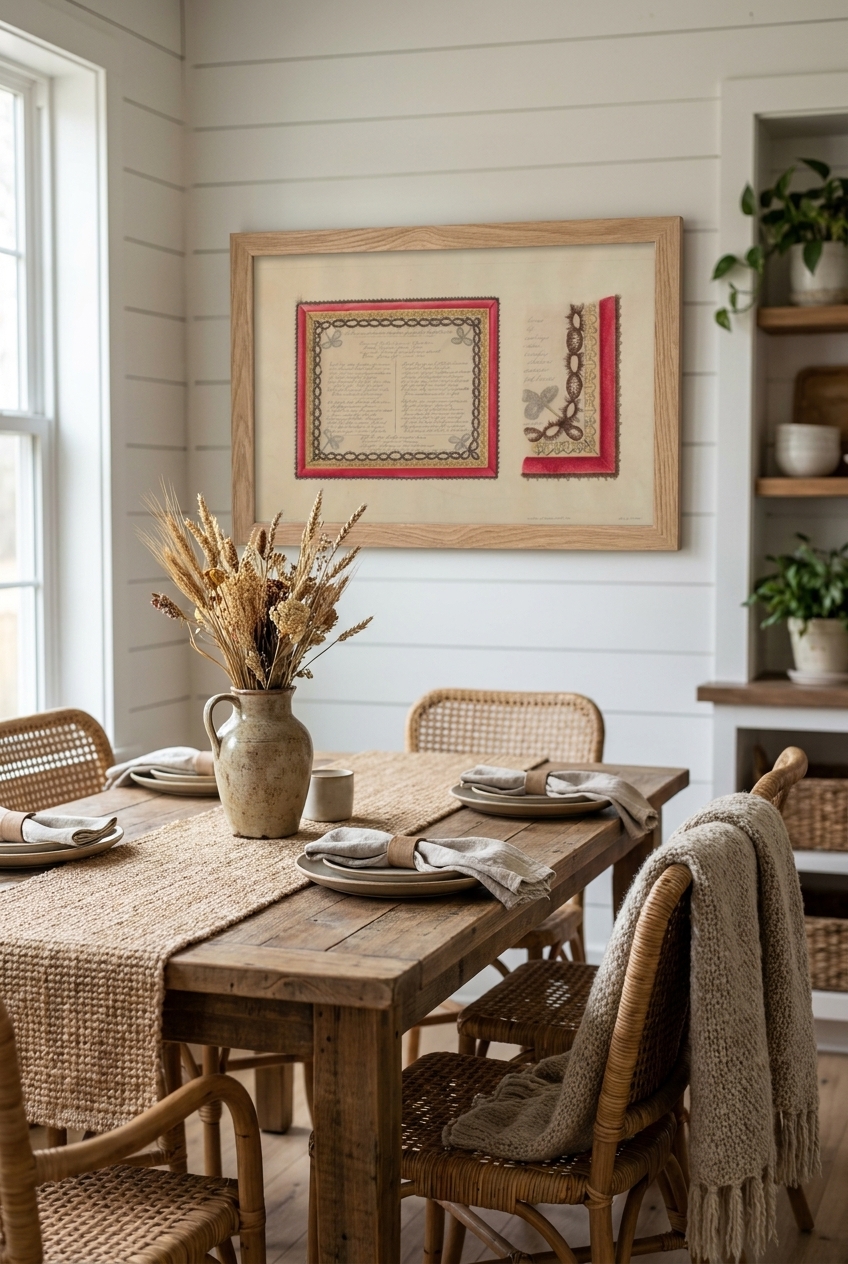
Take, for example, the intriguing Frame of Hair Flowers. It takes a highly specific, historical subject and renders it with such poise and tonal nuance that it becomes a universal study in form and shadow. This ability to find monumental beauty in the small and overlooked is what makes classical art so enduringly powerful.
Why These Works Belong in a Modern Home
Modern interior design often thrives on clean lines, neutral tones, and open spaces. It is a style that pairs beautifully with the structured, atmospheric quality of Cheney’s art. Because these pieces rely on a restrained color palette and balanced geometry, they act as visual anchors in a room without overwhelming the existing decor.
Whether printed on a textured canvas that mimics the depth of the original work or framed behind glass as a crisp fine-art print, Cheney’s work brings a layer of history and soul to contemporary spaces. They offer a window into a world of patience, craft, and quiet beauty—a gentle reminder of the power of slowing down.
Frequently asked questions
What exactly is classical academic realism?
Classical academic realism is an artistic style that emerged from European art academies. It emphasizes high-quality draftsmanship, balanced composition, realistic representation, and a deep study of light and shadow—often inspired by the techniques of the Old Masters—to create a sense of harmony and order.
How do Clyde L. Cheney's works fit into modern interior design?
Because Cheney's works feature a restrained color palette, clean structural lines, and balanced compositions, they blend seamlessly into modern homes. They provide a sophisticated, grounding focal point without clashing with contemporary furniture or minimalist aesthetics.
What is the best way to display these prints?
To emphasize the classical, museum-quality nature of these pieces, we recommend framing them with a generous mat board or opting for a stretched canvas. The subtle gradations of light and shadow in Cheney's work look particularly striking under soft, warm, indirect gallery lighting.