The Quiet Poetry of Théodore Roussel: Master of Classical Tonalism
In short: Théodore Roussel beautifully blended classical structure with the soft, atmospheric mood of Tonalism, creating quiet, intimate masterpieces that bring a sense of serene elegance to modern walls.
The Art of the Quiet Moment
Born in France but spending the most productive years of his career in England, Théodore Roussel (1847–1926) was an artist who found immense beauty in the hushed corners of the world. While his contemporaries in Paris were chasing the fleeting, sun-drenched bursts of Impressionism, Roussel carved out a quieter, more contemplative path. He aligned himself with a philosophy that blended the structured harmony of classical traditions with the delicate, moody atmosphere of Tonalism.
After settling in London, Roussel became a key figure in the British avant-garde, forming a deep friendship with James McNeill Whistler. This connection refined his eye for subtle color harmonies, yet Roussel always maintained his own distinct voice. His work represents a sublime intersection of classical order and atmospheric sensitivity, offering viewers a peaceful retreat from the clamor of modern life.
Whispered Light and Classical Order
When you look at a Roussel painting or print, the first thing you notice is the atmosphere. His compositions do not shout for attention; they invite you in with a whisper. He possessed a rare, poetic restraint, approaching his subjects with an academic precision that never felt dry or sterile. Instead, his exquisite draftsmanship served to anchor his soft, dreamlike depictions of light and shadow.
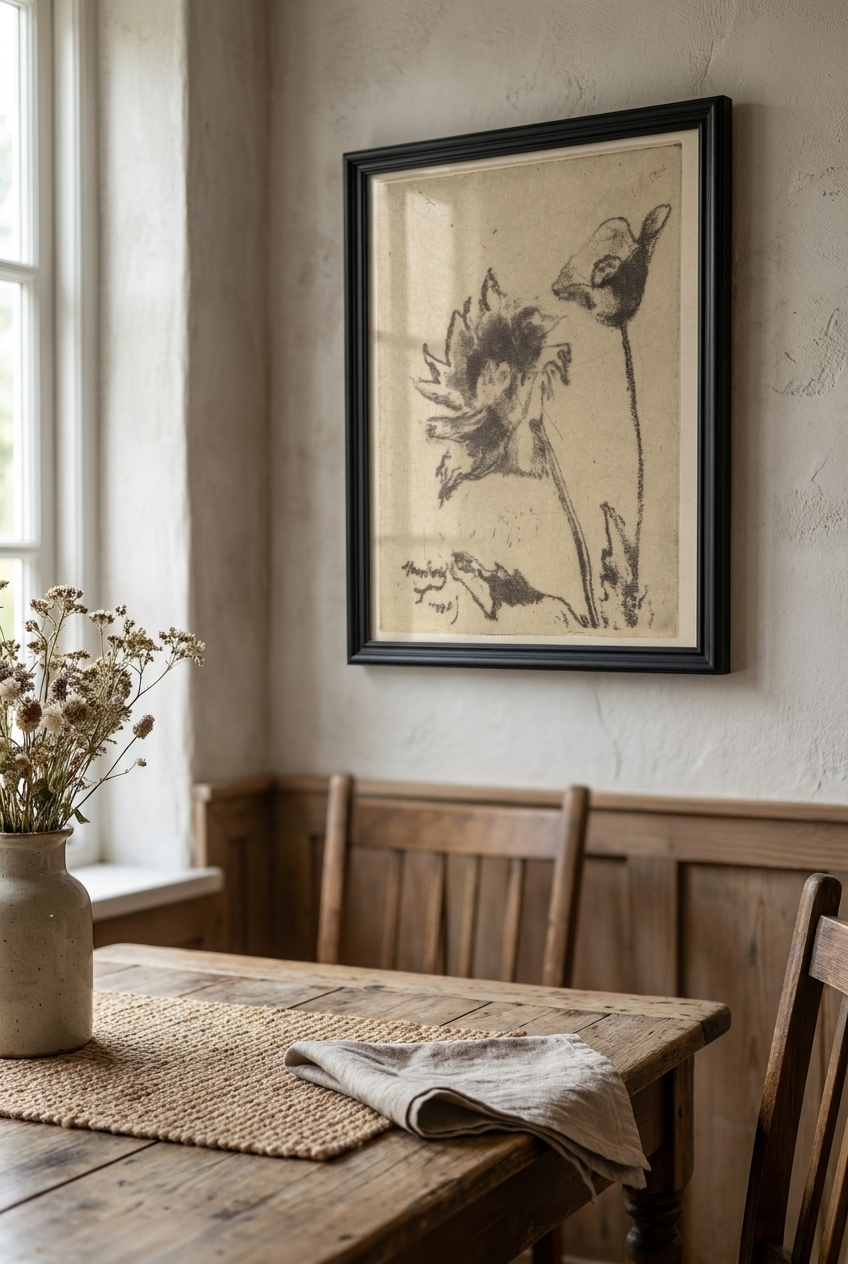
Roussel's palette was famously subtle, dominated by closely related tones of silver-grey, muted green, soft amber, and warm cream. This careful color control allowed him to capture the fleeting qualities of weather and time with incredible nuance. In his botanical and still-life studies, such as the exquisite Two Flowers, we see this restraint in action. Simple blossoms are treated with the same dignity and structural balance as a grand classical monument, elevating the everyday into something timeless.
Intimate Portraits and Delicate Lines
Roussel was also a master of printmaking, a medium that allowed his love for delicate, precise lines to truly shine. He treated the copper etching plate with the same reverence a poet treats a blank page, scraping away everything but the absolute essential elements of a scene. His figurative studies and portraits are remarkably tender, capturing subjects in quiet, unposed moments of reflection.
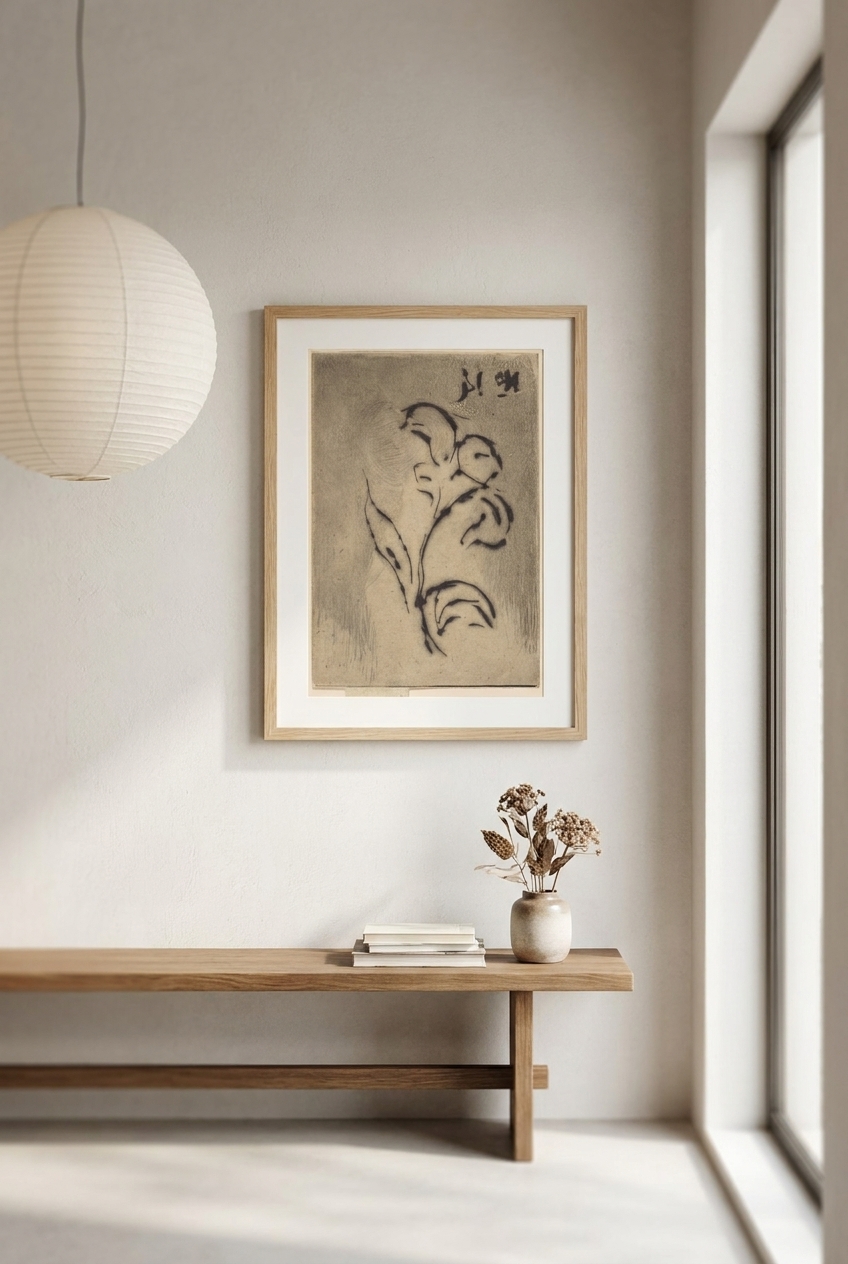
A wonderful example of this intimate focus is Jeanette, June 1887 / Flower, which showcases his ability to combine portraiture with delicate floral motifs. By eschewing grand drama in favor of these whispered, domestic moments, Roussel created art that feels deeply personal and universally relatable. His works remind us to slow down and appreciate the quiet beauty that exists in our daily lives.
Bringing Roussel’s Serenity Home
In today's fast-paced, highly saturated world, decorating with Roussel's art offers a visual deep breath. His serene compositions bring an immediate sense of calm and balance to any room. Because his color palettes are so beautifully restrained, his works integrate seamlessly into modern interiors, complementing minimalist, mid-century, or traditional decor without overwhelming the space.
Whether displayed as a textured canvas in a quiet reading nook or a framed fine-art print in a busy living room, his work acts as a window to a more peaceful state of mind. To explore his full range of atmospheric landscapes, delicate etchings, and poetic studies, we invite you to browse the full Théodore Roussel collection and find the perfect piece to bring classical elegance to your home.
Frequently asked questions
What is Classical Tonalism?
Classical Tonalism is an artistic style that combines the structured harmony and precise draftsmanship of classical art with the soft, atmospheric, and limited color palettes of Tonalism. It focuses on mood, light, and shadow rather than bright color or dramatic action.
How did James McNeill Whistler influence Roussel?
Roussel met Whistler in London in 1885 and became a close friend and disciple. Whistler heavily influenced Roussel's approach to printmaking, his use of subtle color harmonies, and his focus on atmospheric, quiet subjects. However, Roussel maintained his own distinct classical structure.
Why do Roussel's prints work well in modern interior design?
Roussel's muted color palettes (soft greys, creams, and earth tones) and balanced compositions act as visual anchors that bring calm to a space. They complement modern minimalist and neutral color schemes beautifully without clashing with existing decor.