
The Serene Grace of 19th-Century Florentine Art
In short: In the nineteenth century, Florentine artists bypassed modern trends to perfect a luminous, balanced style rooted in Renaissance draftsmanship and quiet contemplation.
A Sanctuary of Classical Grace
In the nineteenth century, while the art capitals of Northern Europe rushed headlong into the noisy experiments of modernism, Florence chose a quieter, more deliberate path. The cradle of the Renaissance remained a vital sanctuary for classical draftsmanship and academic rigor. Protected by the strict tenets of the Accademia delle Arti del Disegno, artists in Florence looked backward to go forward, drawing deep inspiration from the masters of the past to create something enduringly beautiful.
This was not mere imitation. These creators sought to harmonize classical idealism with a burgeoning interest in naturalism. They looked at the world around them—the rolling hills of Tuscany, the soft morning mist, and the gentle expressions of local sitters—and filtered it through a lens of perfect geometric balance. The result was an art of profound peace, designed to offer a respite from a rapidly changing world.
Precision, Line, and Luminous Light
To understand the Florentine nineteenth-century style, one must look closely at the quality of the line. There is an exquisite precision to the draftsmanship here; every contour is defined with absolute confidence and grace. This structured beauty is paired with a subtle, luminous palette that seems to capture the unique, golden light of the Tuscan landscape.
Rather than chasing fleeting trends, these masters elevated everyday subjects and historical allegories alike. A perfect example of this poetic approach is the Madonna and Child from circa 1860. In this piece, the sacred subject is rendered with a tender, human naturalism, yet the composition retains the quiet, geometric order of a High Renaissance masterpiece. The colors are soft, the expressions serene, and the overall effect is one of deep, quiet contemplation.
A Timeless Presence in the Modern Home
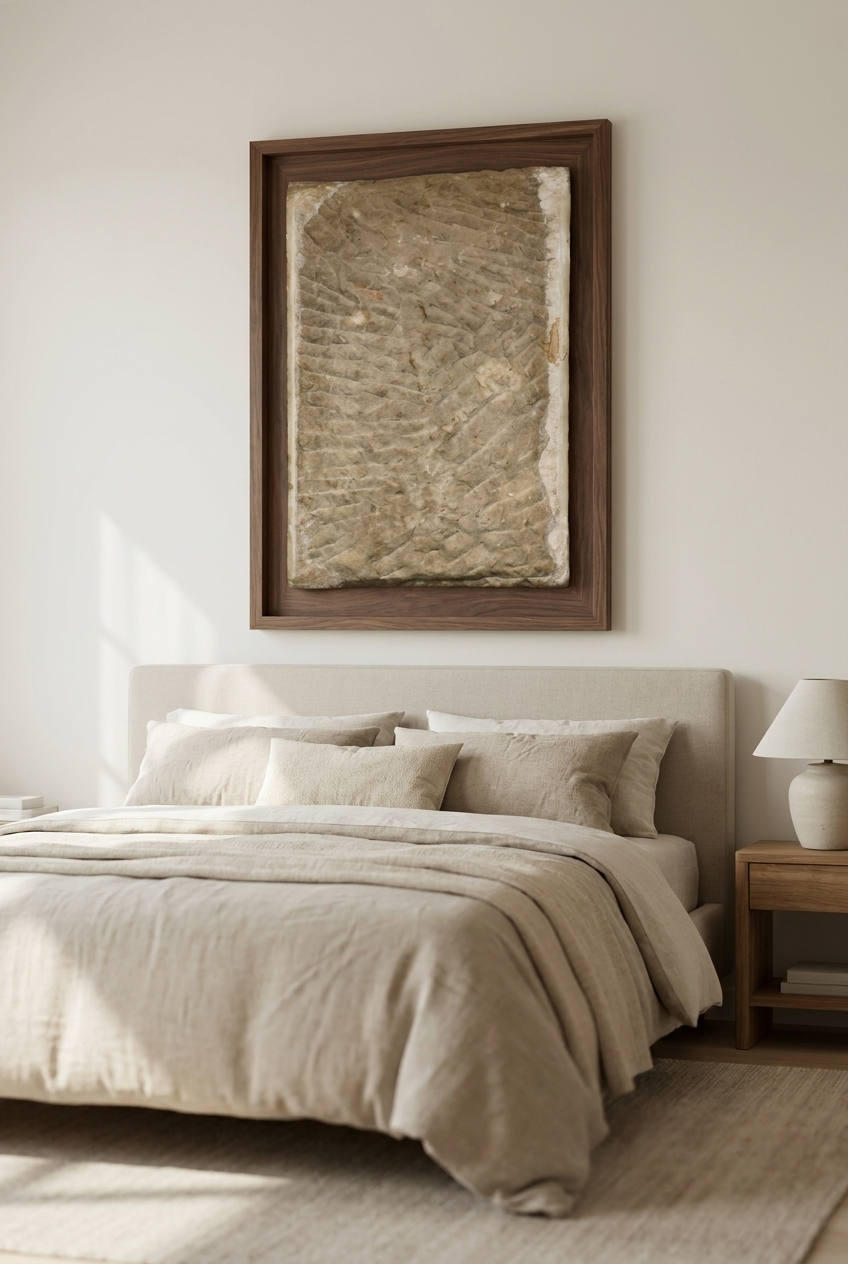
There is a unique power in art that refuses to shout. Because these Florentine works prioritize balance, order, and grace, they possess a timeless quality that makes them exceptionally well-suited for modern living spaces. In an era dominated by screens and constant stimulation, a beautifully rendered classical print acts as a visual anchor, bringing a sense of calm and structure to a room.
Whether displayed as a textured canvas or a framed fine-art print, these works harmonize beautifully with both minimalist and traditional interiors. The soft, luminous tones and clean lines complement natural wood, neutral walls, and contemporary furniture. By exploring the Full Florentine 19th Century collection, art lovers can find pieces that bring the enduring soul of Tuscany and the quiet dignity of academic draftsmanship into their daily lives.
Frequently asked questions
What defines the 19th-century Florentine style?
It is defined by an exquisite precision of line, balanced compositions, a subtle and luminous palette, and a harmonious blend of classical Renaissance idealism with gentle naturalism.
How does this style differ from French Impressionism of the same era?
While French Impressionists focused on fleeting light and loose, visible brushwork, Florentine artists valued academic draftsmanship, structured order, and timeless, quiet contemplation.
Why do these classical prints fit well in modern interiors?
Their balanced compositions and soft, luminous color palettes bring a sense of calm, structure, and understated elegance that complements both minimalist and traditional home designs.