
The Serene Order of Alfred Parys: Classical Beauty for the Modern Eye
In short: Alfred Parys championed classical balance, light, and academic precision. His quiet, structured works offer a peaceful, elegant anchor for contemporary interiors.
The Quiet Power of Classical Order
In a world that often feels loud, chaotic, and relentlessly fast-paced, there is a profound comfort in returning to the fundamentals of classical art. The work of Alfred Parys offers exactly this kind of visual sanctuary. Rooted deeply in the rigorous traditions of classical European art, Parys's work is a masterclass in balance, harmony, and formal clarity.
Rather than chasing fleeting trends or explosive emotional displays, Parys focused on enduring beauty. His compositions are built on a foundation of academic precision, where every line, curve, and shadow serves a deliberate purpose. This dedication to draftsmanship elevates his subjects—whether a simple vessel or a quiet study—into a sublime visual language that feels both ancient and incredibly fresh.
The Mastery of Light and Restraint
One of the first things you notice when exploring the Alfred Parys collection is the artist's remarkable restraint. Parys did not rely on a chaotic explosion of color to capture attention. Instead, he worked with a carefully limited, restrained palette, allowing the subtle interplay of light and shadow to do the heavy lifting.
This mastery of light creates a sense of three-dimensional weight and presence. His subjects seem to emerge gently from quiet, dark backgrounds, bathed in a soft, directional glow that highlights their form without harshness. It is a technique that evokes a deep sense of timeless tranquility, inviting viewers to slow down, breathe, and simply look.
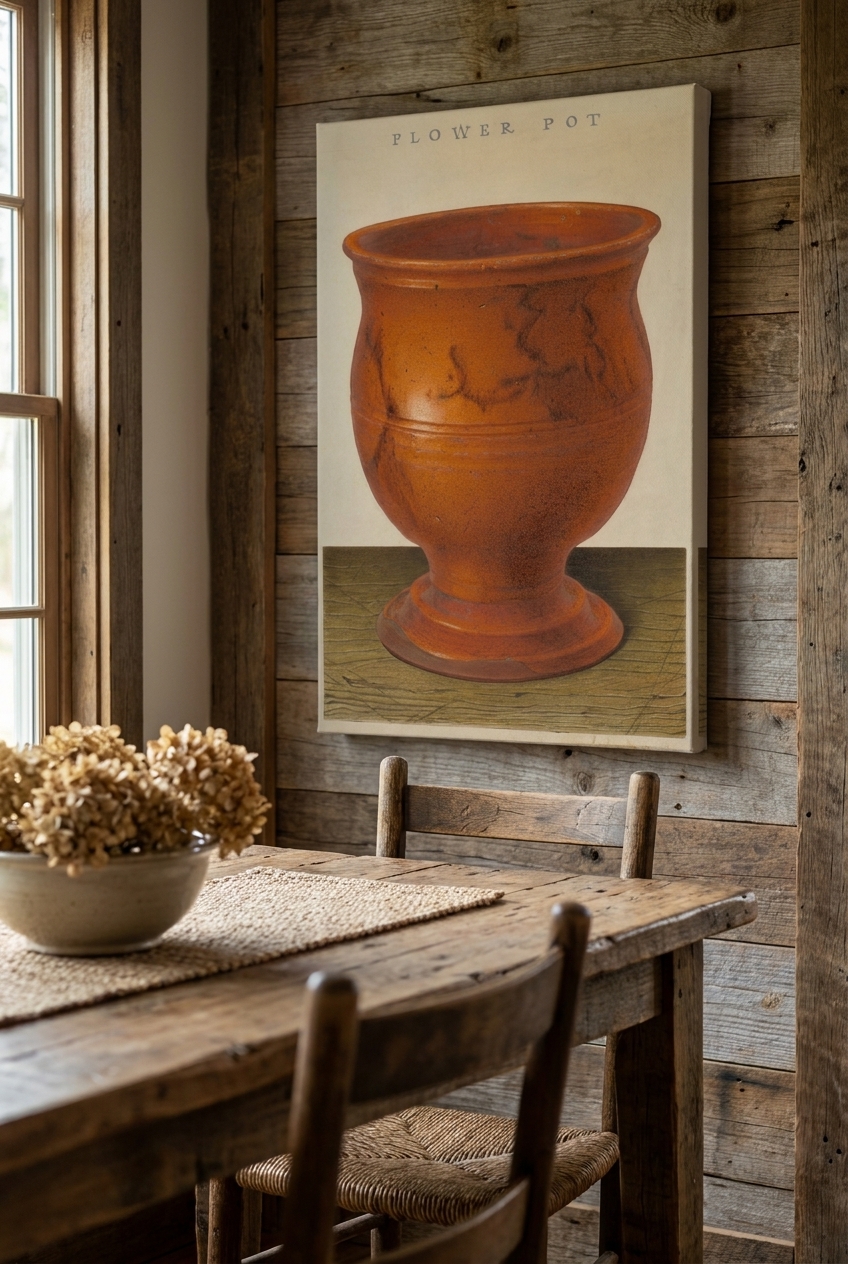
Spotlight: Flower Pot (c. 1939)
A perfect entry point into this serene aesthetic is Flower Pot (c. 1939). Even in the mid-20th century, an era dominated by rapid modernization and abstract experimentation, Parys remained steadfastly committed to classical principles. This still life is a testament to that enduring devotion.
In this piece, a humble potted plant is treated with the same dignity and meticulous care as a classical monument. The structured composition balances the organic curves of the leaves against the clean, geometric lines of the pot and its pedestal. The soft fall of light coaxes out the rich textures of the clay and foliage, turning a quiet domestic scene into a profound study of form and existence.
Why Alfred Parys Belongs on Your Walls
Classical art has a unique ability to ground a room. Because Parys's work prioritizes structure and calm over chaotic movement, his pieces act as visual anchors in modern living spaces. Here is why they translate so beautifully into fine-art prints and canvases:
- Versatile Palettes: The muted, earthy tones and soft grays integrate seamlessly with contemporary interior designs, from minimalist to traditional.
- A Calming Presence: The inherent tranquility of his compositions helps create a peaceful, meditative atmosphere in bedrooms, studies, or living areas.
- Timeless Appeal: Unlike highly trendy contemporary art, classical balance never goes out of style, ensuring your walls remain elegant for years to come.
By bringing a piece by Parys into your home, you are not just hanging a picture; you are welcoming a centuries-old tradition of harmony and quiet beauty into your daily life.
Frequently asked questions
What defines the style of Alfred Parys?
Parys's style is defined by classical European traditions, featuring rigorous draftsmanship, balanced compositions, a restrained color palette, and a masterful use of light and shadow to create a sense of timeless tranquility.
How does his 1939 work relate to classical art?
Even though pieces like 'Flower Pot' were created in the 20th century, they reject modern abstraction in favor of academic precision, formal clarity, and the quiet, structured harmony characteristic of classical still lifes.
What type of frame best suits an Alfred Parys print?
To complement the classical, structured nature of his work, we recommend simple, elegant wood frames in dark walnut, black, or antique gold. A canvas wrap also highlights the painterly depth of his light and shadow.