The Surgeon's Line: How Francis Seymour Haden Reimagined the English Landscape
In short: A look at Francis Seymour Haden, a surgeon-turned-artist who championed the 19th-century Etching Revival with his poetic, light-filled landscape prints.
The Surgeon-Artist of the Etching Revival
By day, Francis Seymour Haden was one of Victorian London's most distinguished surgeons. By night—and during every spare hour of daylight—he was a revolutionary of the copperplate. Haden became a driving force behind the nineteenth-century Etching Revival, a movement that rescued printmaking from the mechanical world of commercial reproduction and elevated it to a fine art of primary, original expression.
Haden believed that etching was the most spontaneous of the graphic arts. Unlike engraving, which requires slow, deliberate physical labor, etching allowed an artist to draw directly onto a prepared plate with the fluid ease of a pen. This immediacy captured the artist's first, purest impulse. For Haden, the copperplate was not a medium for copying paintings, but a direct window into the soul of the English countryside.
The Poetry of the Spare Line
What makes Haden's work so arresting is his masterful economy of line. He understood that what is left out of a picture is just as important as what is put in. Working frequently en plein air (outdoors, directly in front of his subject), he used expressive, calligraphic marks to evoke the rustle of leaves, the ripple of water, and the heavy majesty of ancient oaks.
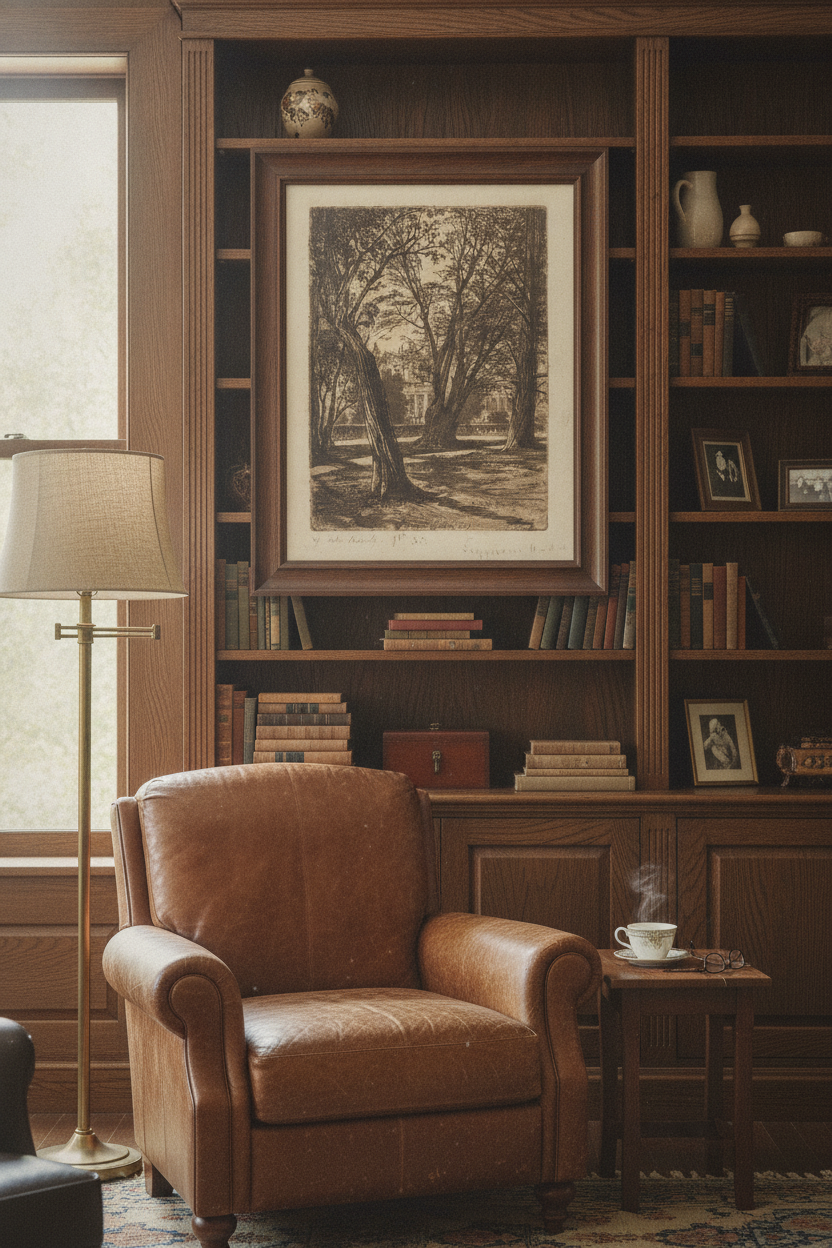
His early masterpiece, Kensington Gardens (The Small Plate) (1859), perfectly demonstrates this approach. Here, Haden captures the dappled light filtering through dense branches, using delicate hatching and rich plate tone to create a sense of deep, breathing space. The negative space on the paper becomes vibrant, representing the bright glare of the sun or the quiet stillness of a clearing.
Masterpieces of Light and Shadow
A year later, Haden returned to the same London sanctuary to produce Kensington Gardens (The Larger Plate) (1860). This work showcases his growing confidence and his ability to command light on a grander scale. The towering trees are rendered with an intellectual rigor that betrays his surgical training, yet the overall effect is deeply poetic and atmospheric.
Haden's landscapes are never mere topographical records. They are meditations on mood. By manipulating the ink left on the surface of the plate before printing—a technique known as plate tone—he could turn a simple river scene into a twilight reverie or a bright, breezy morning. His lines are alive, vibrating with the energy of the natural world.
Serene Elegance for Modern Spaces
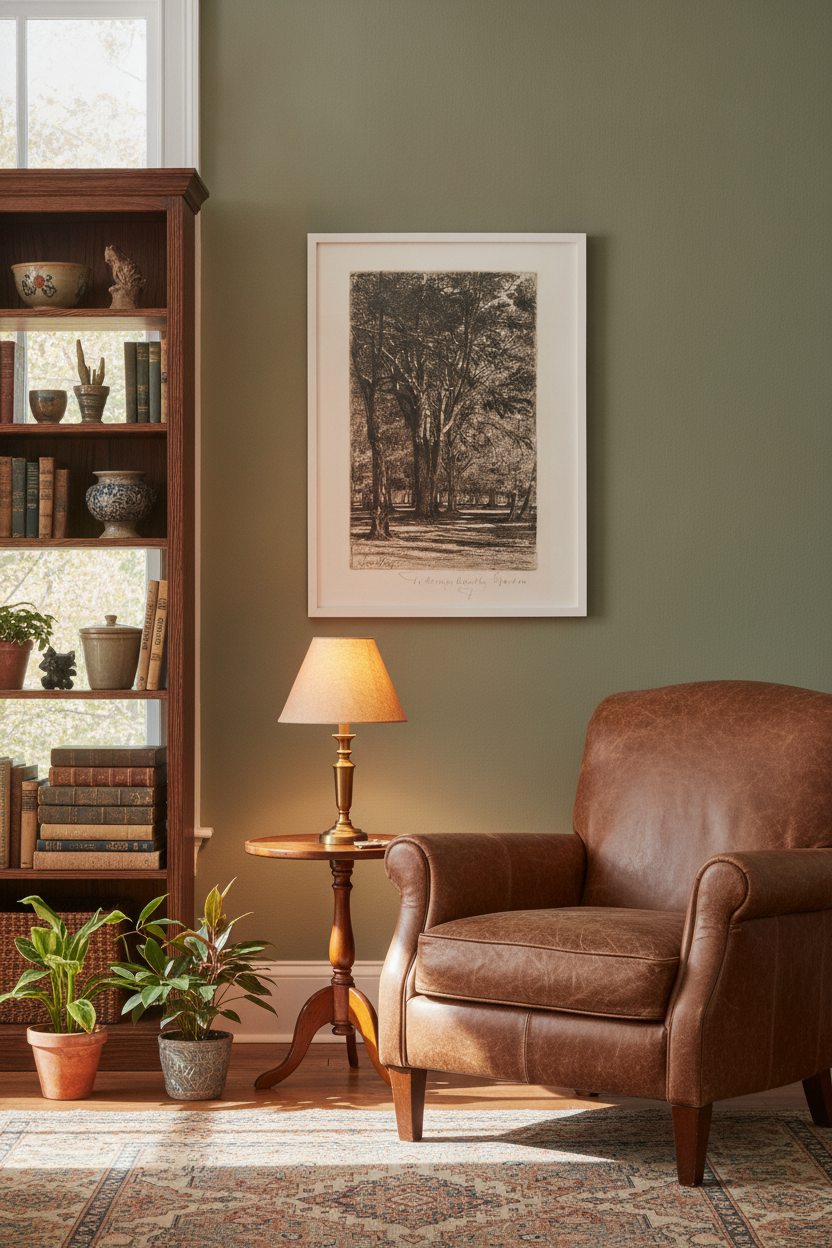
There is a timeless, classical balance to Haden's etchings that makes them beautifully suited for contemporary homes. In an era often dominated by visual noise, his quiet, monochrome landscapes offer a moment of calm and contemplation. The rich blacks, warm velvety grays, and bright whites of his prints provide a sophisticated focal point in both minimalist and traditional interiors.
Whether displayed as a framed print in a sunlit study or as a canvas in a cozy living room, Haden's work brings the peaceful majesty of the English countryside indoors. To explore his extraordinary vision of nature, browse our Full Francis Seymour Haden collection and find the perfect piece for your walls.
Frequently asked questions
Who was Francis Seymour Haden?
Francis Seymour Haden (1818–1910) was an English surgeon and a highly influential printmaker. He was a leading figure of the 19th-century Etching Revival, advocating for etching as an independent, original art form rather than a method for reproducing paintings.
How did Haden's medical career influence his art?
Haden's surgical background gave him a deep understanding of anatomy, structure, and precision. This intellectual rigor translated into his art through a masterful control of the etching needle and a keen eye for the underlying geometry of natural landscapes.
What is the "Etching Revival"?
The Etching Revival was a 19th-century art movement in Britain and France that championed etching as a primary medium for original artistic expression. Artists rejected mechanical engraving in favor of the spontaneous, expressive qualities of etched lines.
Why do Haden's prints look so atmospheric?
Haden achieved atmospheric depth by working outdoors (en plein air) and mastering "plate tone"—leaving a thin film of ink on the surface of the copperplate rather than wiping it completely clean. This created soft, velvety shadows and rich textures that mimic natural light.