
The Whispering Marble: The Ethereal Art of the Imitator of Desiderio da Settignano
In short: Elegant, low-relief Italian Renaissance style captured in stunning, light-filled fine art prints that bring a sense of serene classical humanism to modern spaces.
The Mystery of the Master's Shadow
In the golden age of the Florentine Renaissance, sculptors chased the sublime. While some sought grandeur in towering blocks of marble, others found the infinite in the quietest, most delicate details. Among the most intriguing hands in this classical tradition is the one known to history as the Imitator of Desiderio da Settignano. Far from a simple copyist, this designation represents a sculptor of immense talent who worked in the deep shadow of the fifteenth-century master, capturing his signature gentleness and technical virtuosity.
To look upon the pieces in the Full Imitator of Desiderio da Settignano collection is to witness a profound dialogue across time. The artist does not merely replicate forms; they channel a philosophy of grace, translating the tactile mastery of the Italian Renaissance into timeless, sculptural elegance that speaks to our shared humanity.
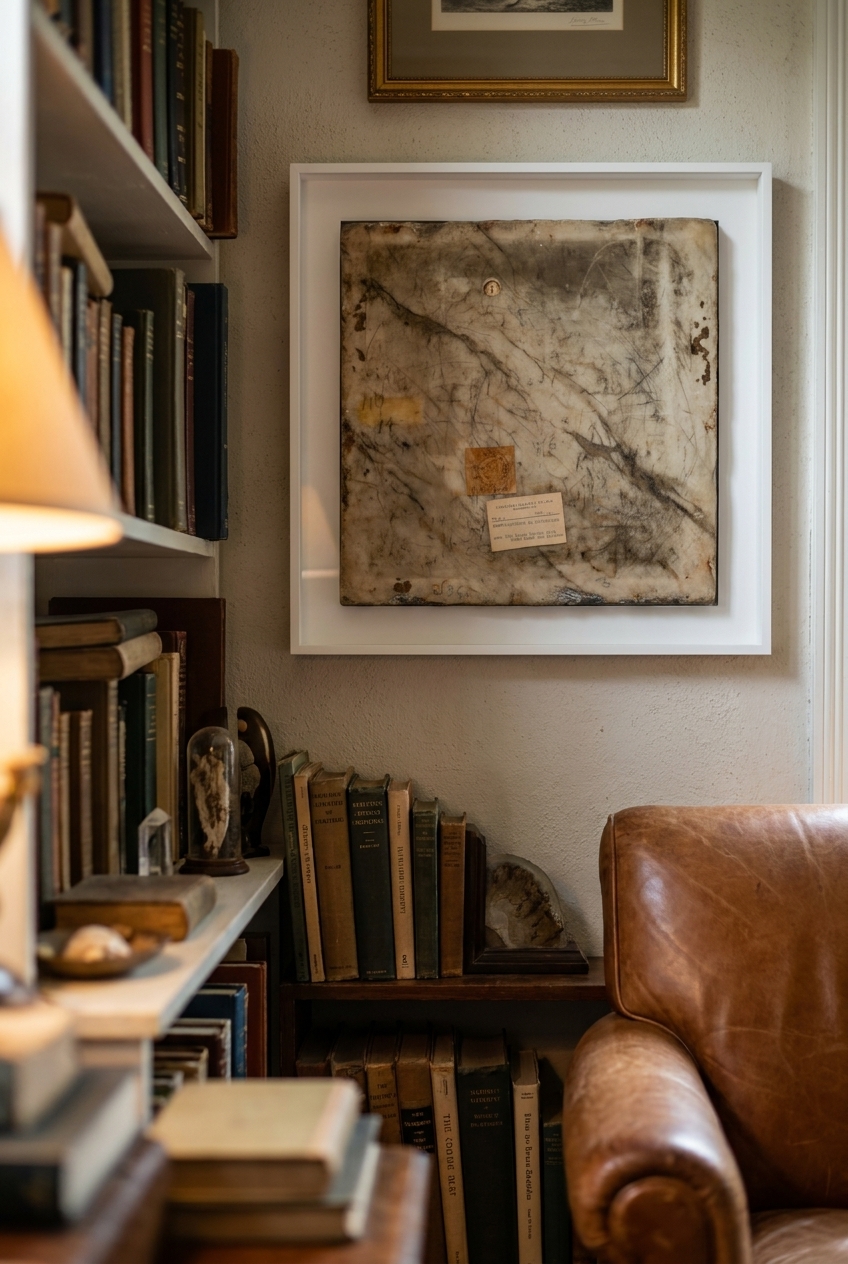
The Magic of Stiacciato
At the heart of this artist's appeal is the mastery of stiacciato, an extremely low relief carving technique pioneered during the Renaissance. The word literally means "flattened," and it requires a virtuosity that few sculptors ever achieve. Rather than carving deep into the marble to create three-dimensional figures, the artist carves mere millimeters into the stone, suggesting immense depth through the subtlest gradations of light and shadow.
This technique is essentially drawing in stone. The sculptor relies on soft contours and an ethereal treatment of form to create an illusion of space. When light washes over the surface, the delicate edges catch the glow while the shallow recesses fall into soft, smoky shadows. The result is a quiet, introspective beauty that feels less like heavy stone and more like a captured breath.
Sacred Innocence and Classical Grace
The subjects of these reliefs are drawn from the idealized humanism of the classical tradition, focusing primarily on serene portraits and sacred figures. A magnificent showcase of this tender approach is the relief of Christ with Saint John the Baptist as Children, a piece that radiates a quiet, holy innocence.
In this work, the soft, youthful faces of the children are rendered with a warmth that feels incredibly alive. The delicate curls of their hair and the gentle folds of their garments are carved with such precision that they seem to possess a soft, fabric-like texture. By focusing on the tender, human connection between the sacred figures, the artist strips away rigid dogma, leaving us with a scene of pure, universal grace.
Bringing Sculptural Light into the Modern Home
For the modern art lover, these sculptural masterpieces translate beautifully into fine-art prints and canvases. Because the beauty of stiacciato is entirely dependent on how light interacts with the carved surface, high-resolution photography captures these subtle shifts in tone with incredible fidelity. On museum-quality paper, the delicate grays, soft whites, and deep charcoal shadows of the marble come alive, creating a stunning illusion of three-dimensional depth.
In a contemporary home, these prints act as a serene focal point. Their muted, monochromatic palettes blend seamlessly with modern color schemes, while their rich historical texture adds a layer of sophistication. Whether framed on a gallery wall or displayed as a large-format canvas, these pieces bring a sense of classical calm, quiet contemplation, and museum-quality elegance to your everyday living space.
Frequently asked questions
Who was the "Imitator of Desiderio da Settignano"?
This name is given to a highly skilled, anonymous sculptor (or group of sculptors) likely working in the 19th century who masterfully recreated the delicate, low-relief carving style of Desiderio da Settignano, a prominent 15th-century Florentine Renaissance master.
What makes the "stiacciato" carving technique unique?
Stiacciato is an extremely low-relief carving technique where the design is raised only millimeters from the background. Instead of deep cuts, the artist relies on incredibly subtle shifts in depth, contour, and light to create a powerful illusion of three-dimensional space and atmosphere.
How do these sculptural reliefs look when printed on paper or canvas?
Surprisingly lifelike. Because stiacciato relies on the play of light and shadow, high-resolution prints capture every subtle gradient and texture of the original marble. The resulting fine-art print has a tactile, three-dimensional quality that brings classical elegance to a flat surface.