What is Classical Abstraction in Art?
In short: Classical Abstraction bridges the gap between wild expression and structured order, offering balanced, nature-inspired art that grounds modern spaces.
The Art of Structured Serenity
At its core, Classical Abstraction is the art of balance. It sits at a fascinating crossroads: the wild, emotional freedom of mid-century abstract art meets the timeless harmony, order, and poise of classical design. While some abstract movements thrive on chaos and raw, unpredictable energy, Classical Abstraction seeks a sense of permanence, deliberate composition, and quiet authority.
This style emerged in the post-war era as artists looked for a way to express deep feelings and natural concepts without losing control of the canvas. In the 1950s and 1960s, the art world was dominated by the loud, gestural strokes of action painting. While exciting, many artists felt a yearning for something more grounded. They wanted the freedom of non-representational art, but they missed the structural integrity found in classical architecture and early modernist geometry. Instead of throwing paint haphazardly, these artists carefully mapped out their compositions, using organic geometry and thoughtful color palettes to create pieces that feel both alive and deeply restful.
The Masters of Structured Freedom
To understand this movement, we have to look at the artists who mastered this delicate dance between order and expression. Among them is Jim Forsberg, a mid-century American artist who spent years working in Provincetown, Massachusetts—a legendary coastal hub for abstract artists. The rugged, natural landscape and brilliant coastal light deeply influenced his work, giving his abstract shapes a weathered, organic quality.
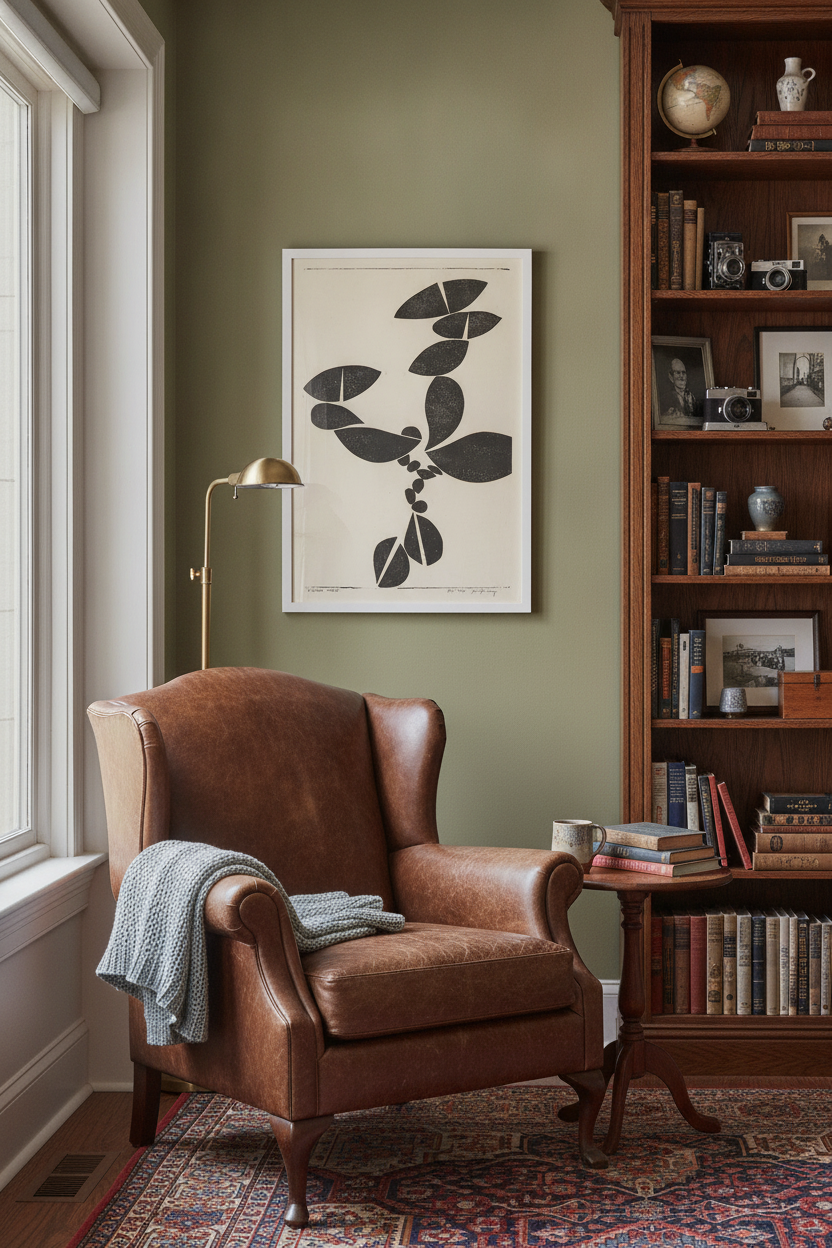
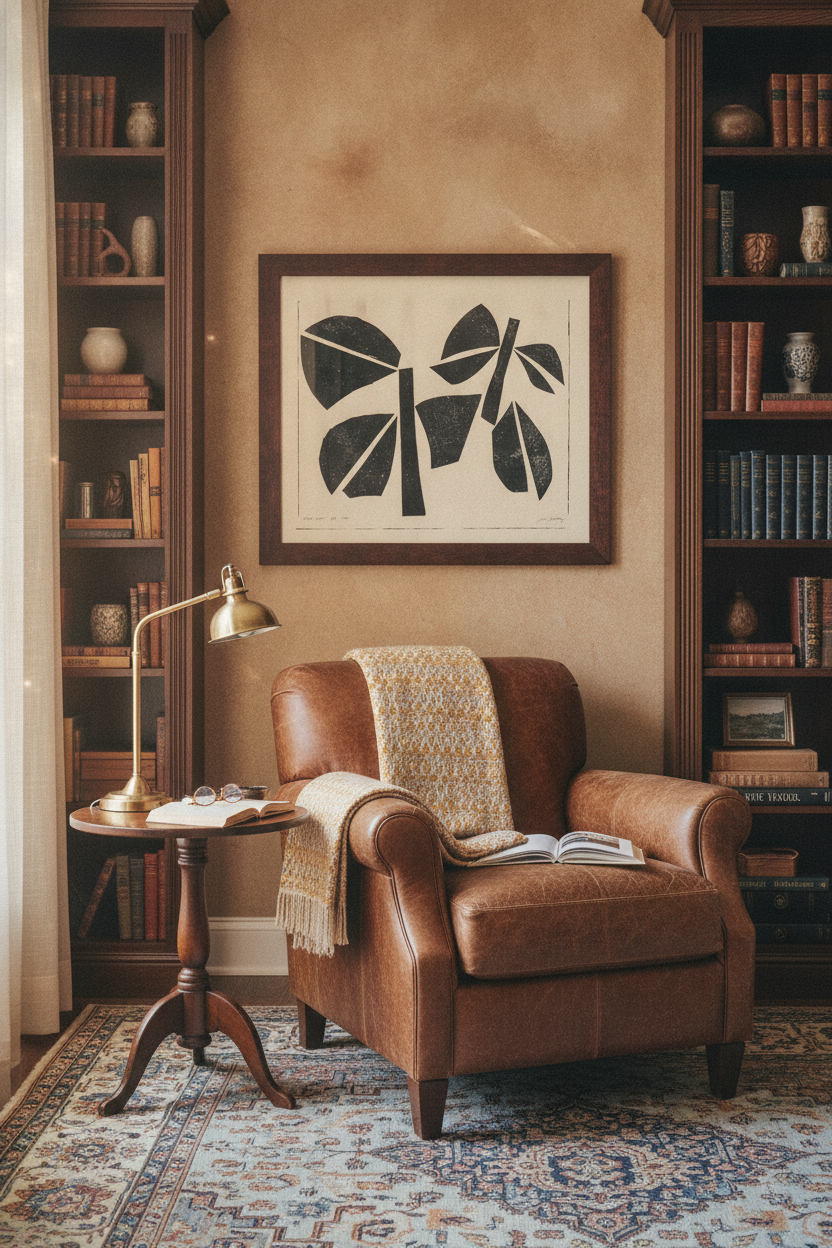
Forsberg had a rare gift for translating the natural world into bold, architectural shapes. In his "Flower Image" (1956), Forsberg strips away the delicate, fragile petals of a bloom to reveal its heavy, grounding structure. A few years later, his work "Plant Life" (1961) showcased how simple, dark forms could evoke the quiet, reaching growth of flora without relying on literal, realistic illustration.
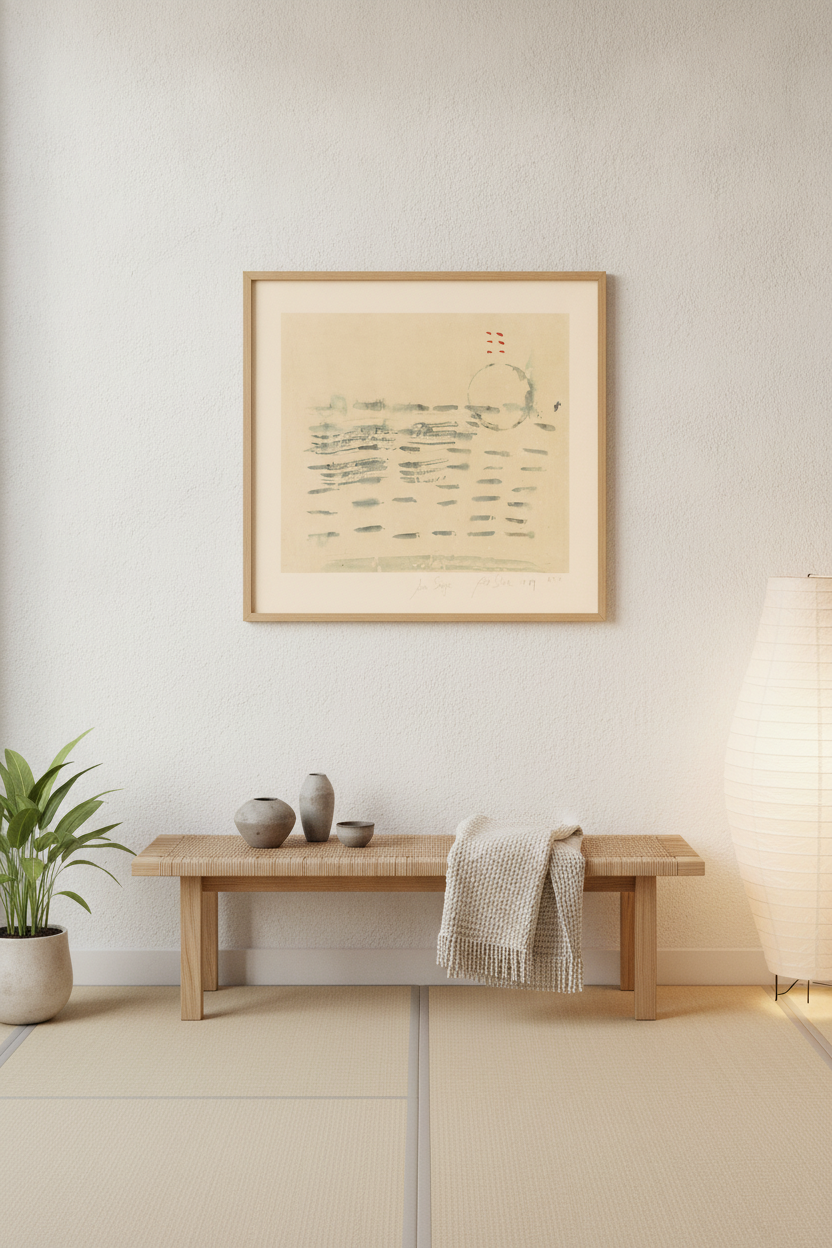
Decades later, artist Pat Steir took a different but equally classical approach to abstraction. In works like her celebrated "Seascape" (1988), Steir used dripping paint and sweeping, gestural marks to evoke the monumental scale of historical landscape paintings. By allowing gravity to pull the paint down the canvas, she created a beautiful tension between nature's natural chaos and a highly disciplined, classical composition. Her work feels ancient and immediate all at once, capturing the essence of water and wind through structured, repetitive actions.
How to Read the Unspoken Language
Looking at a Classical Abstract painting is a lot like listening to instrumental music. You do not need lyrics to understand the mood, and you do not need recognizable objects to feel the story. When standing in front of these works, try to focus on a few key elements that define the classical sensibility:
- Tension and Balance: Notice how heavy, dark shapes are balanced by lighter, open spaces. Nothing in the composition feels accidental or rushed.
- The Rhythm of Line: Follow the brushstrokes with your eyes. Are they sweeping and fluid, or sharp and architectural? The movement of the line dictates the emotional speed of the artwork.
- Organic Textures: Look closely at how the paint is layered. Even in high-quality print form, the visual weight of the original ink or paint tells a story of deliberate, thoughtful creation.
Bringing Classical Abstraction Into Your Home
Because of its inherent balance, Classical Abstraction is incredibly versatile for interior design. Unlike chaotic art that demands constant attention and can make a room feel cluttered, these pieces act as visual anchors. They bring a sense of calm and sophistication to busy modern spaces.
When choosing a piece for your home, consider the room's natural energy. A bold, structured piece by Forsberg can ground a modern living room or dining area, providing a strong focal point above a minimalist credenza. On the other hand, a fluid, atmospheric print by Steir can bring a meditative, peaceful quality to a bedroom or a quiet home office. Frame them simply—natural oak or thin black metal frames respect the clean lines of the art without competing with its quiet power.
Frequently asked questions
What makes abstraction 'classical'?
The term 'classical' refers to the focus on balance, harmony, and structure. Unlike more chaotic abstract styles, classical abstraction uses deliberate compositions and organic geometry to create a sense of permanent, quiet order.
How does this style fit into modern home decor?
Beautifully. Because these artworks focus on balance and simplified organic forms, they act as visual anchors. They bring sophistication and a sense of calm to modern, minimalist, or transitional spaces.
Are these artworks inspired by real things?
Yes, very often. Many artists in this movement start with natural subjects—like plants, seascapes, or flowers—and distill them down to their essential shapes, colors, and rhythms rather than painting them literally.