What is Modern Classical art?
In short: Modern Classicism emerged after the chaos of WWI as a 'return to order,' blending ancient Greek and Roman ideals of balance and beauty with clean, simplified modern aesthetics.
The Return to Harmony and Order
In the wake of the First World War, Europe was exhausted. The world had been fractured, and for many artists, the wild, fragmented experiments of early modernism—like Cubism and Futurism—suddenly felt too chaotic. They yearned for stability, beauty, and quiet strength. Instead of pushing further into abstraction, they chose a different path: a return to order.
This movement, which we now call Modern Classicism, looked backward to go forward. Artists turned their eyes to ancient Greece and Rome, but they did not simply copy the past. Instead, they stripped away the heavy, fussy details of academic art, keeping only the essential lines, balanced compositions, and serene moods. The result is a style that feels both deeply ancient and remarkably fresh—an antidote to the noise of the modern world.
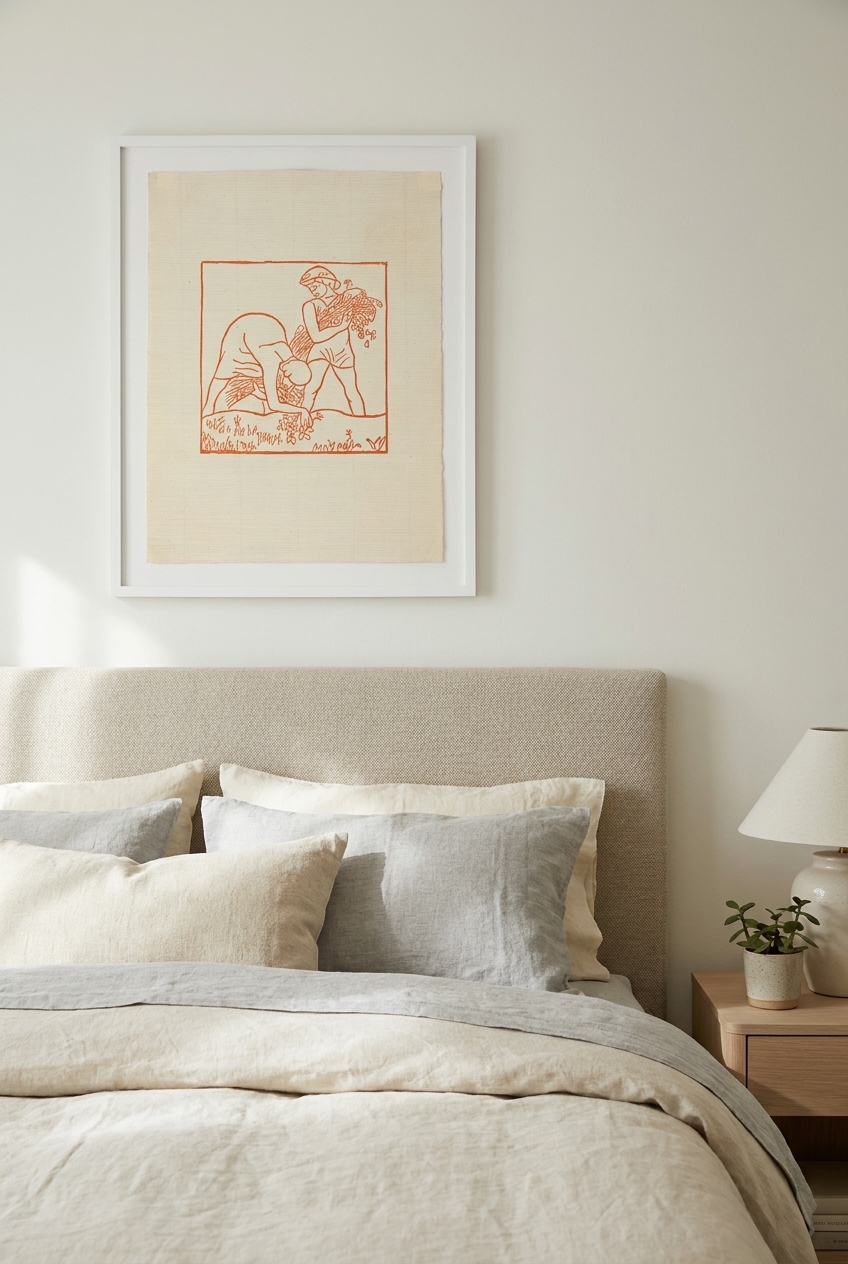
The Masters of Simplified Form
Two artists beautifully represent this elegant balancing act: the French sculptor and illustrator Aristide Maillol, and the Greek-born printmaker Demetrius-Emmanuel Galanis. Both artists understood that a simple, confident line could convey more emotion than a canvas crowded with detail.
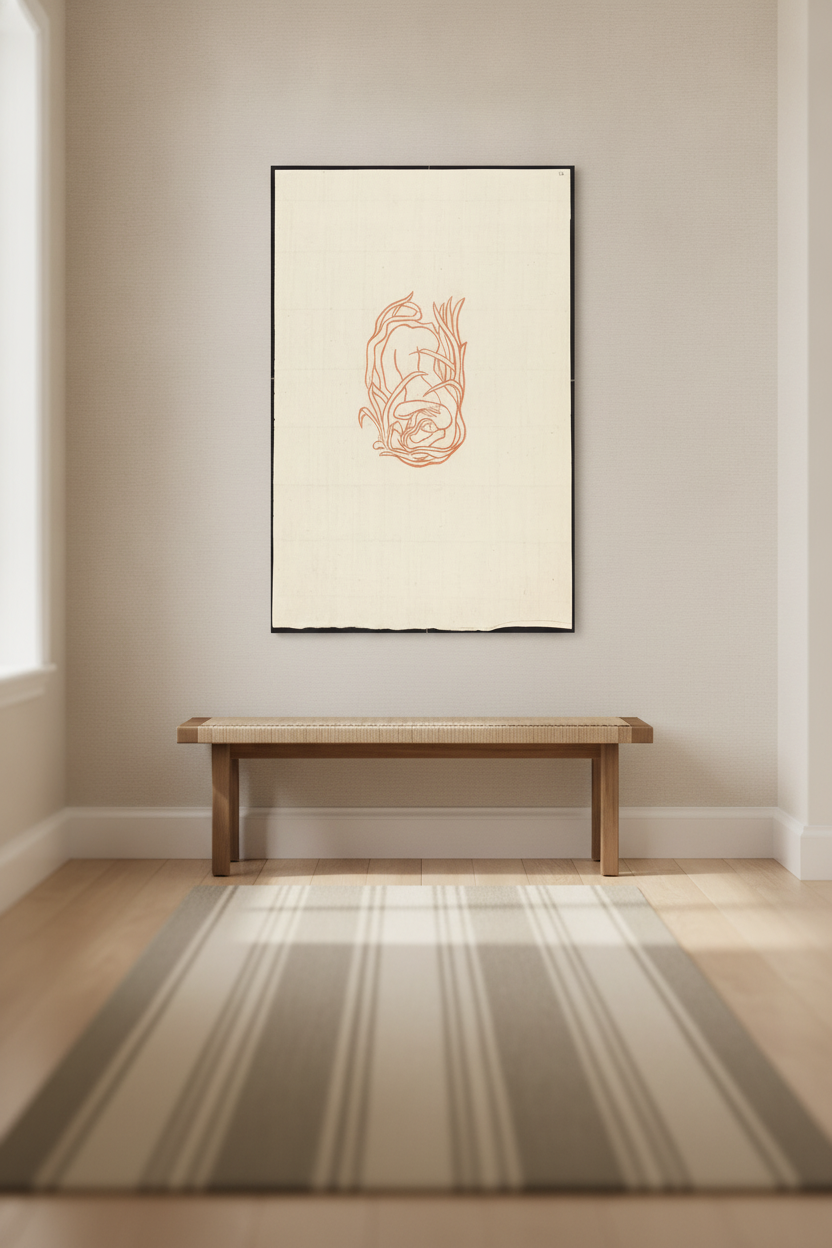
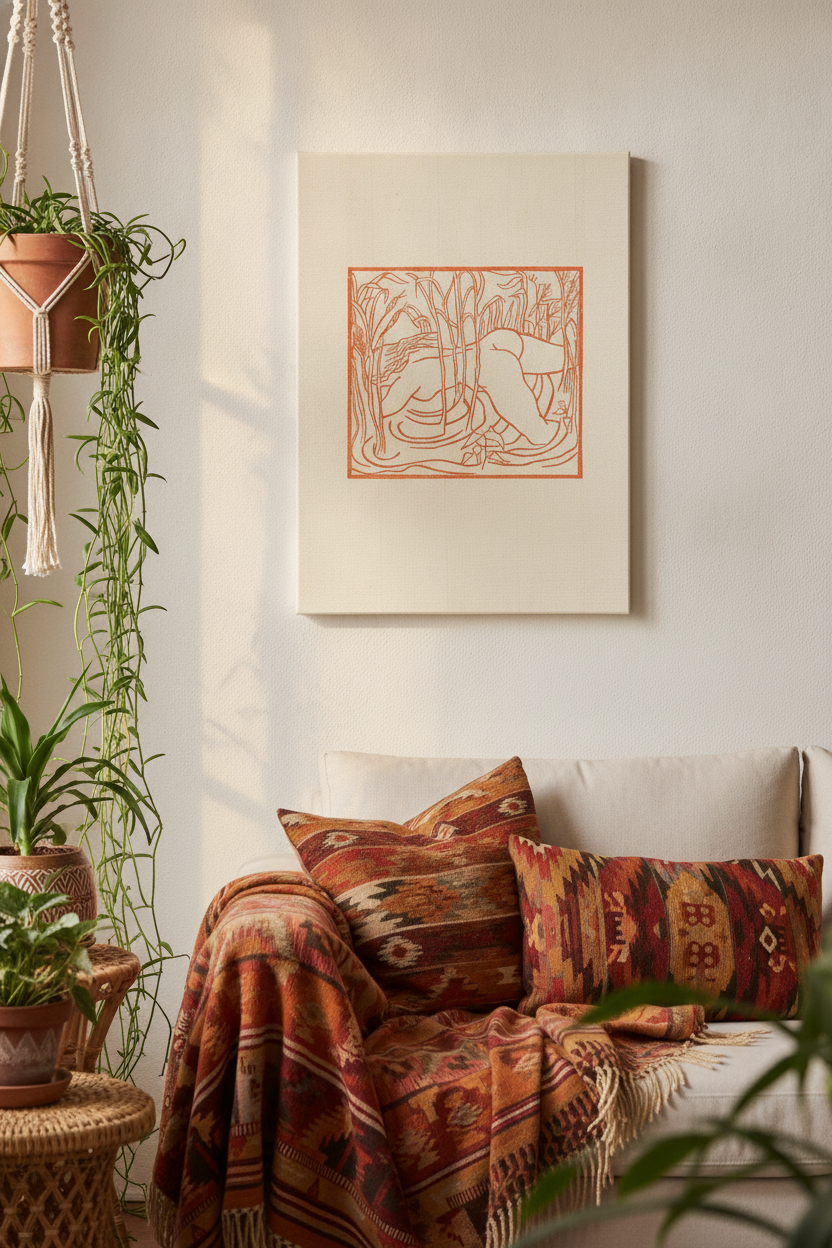
Maillol, famous for his monumental, harmonious sculptures, translated his love of weight and serene curves into gorgeous book illustrations. His woodcuts for ancient pastoral love stories are masterclasses in minimalist grace. In his work First Book: Daphnis and Chloe Picking Flowers(Daphnis et Chloe rammassant des fleurs), he captures a sense of innocent, ancient romance with just a few expressive, curving lines. Similarly, First Book: Chloe Bathing (Chloe au milieu des roseaux) shows how a single figure in nature can feel both monumental and incredibly gentle. In another piece, Second Book: Syrinx Disappears in a Grove of Reeds (Syringe, poursuivie par Pan, se jette dans un marais et disparait dans les roseaux), the drama of classical mythology is distilled into pure, rhythmic movement.
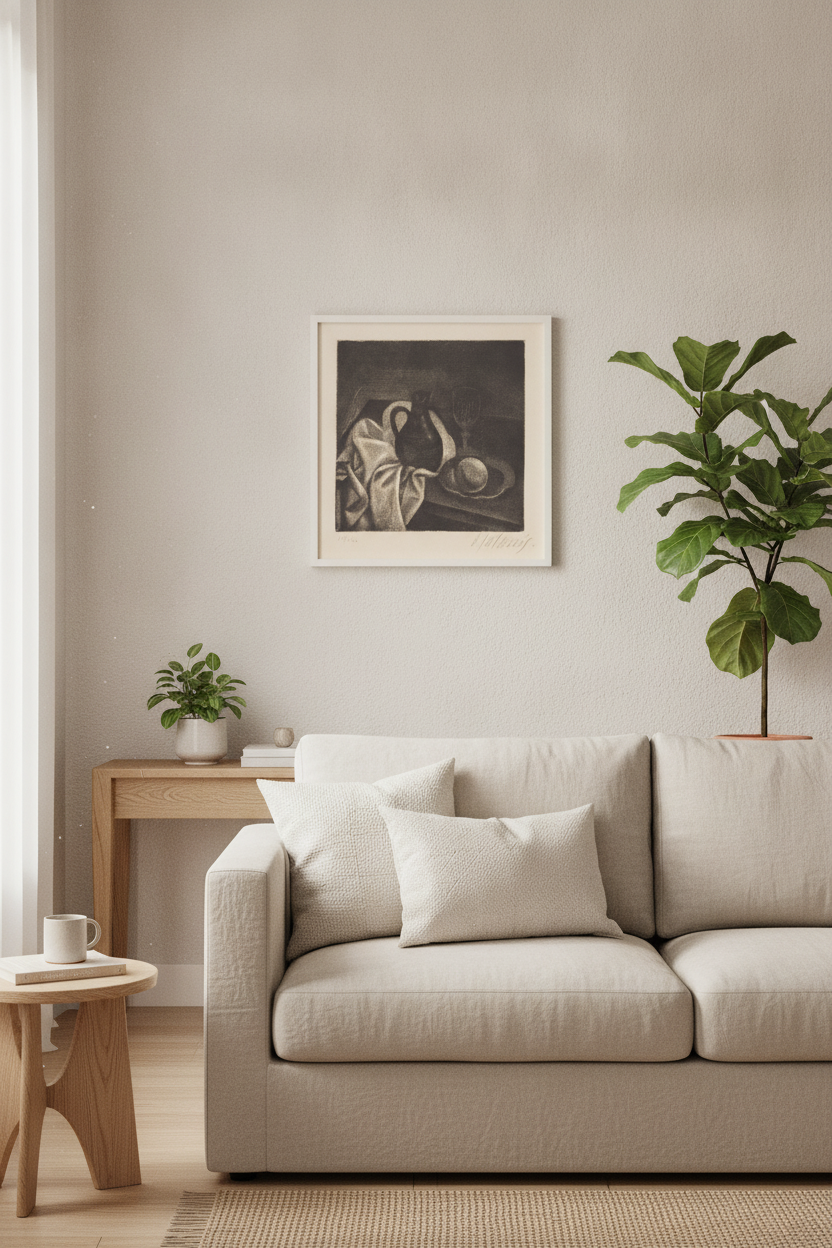
Meanwhile, Demetrius-Emmanuel Galanis brought a structured, almost architectural clarity to the movement. Even in a quiet, everyday subject like his Still Life, we see the hallmark commitment to solid forms, balanced composition, and a calm, orderly atmosphere that defines the era's spirit.
How to Recognize the Style
If you are looking to bring the calm of the Modern Classical era into your home, look for these visual signatures:
- Simplified figures: Clean, rounded contours that strip away unnecessary muscle definition or complex drapery.
- Serene atmospheres: A profound sense of stillness, quiet, and timelessness. Figures rarely look rushed or distressed.
- Pastoral themes: Shepherds, nymphs, bathing figures, and simple natural settings that evoke a lost golden age.
- Geometric balance: Strong undercurrents of structure, symmetry, and poise that make the artwork feel incredibly stable and grounded.
Styling Modern Classical Art in Your Home
Why is this style so incredibly popular for contemporary home decor? Because it offers the perfect bridge between different design worlds. It works beautifully in minimalist spaces by adding warmth, history, and organic lines without cluttering the eyes. At the same time, it breathes fresh air into traditional spaces, introducing clean, modern lines that prevent a room from feeling stuffy.
When framing these pieces, lean into their dual nature. A simple, natural oak frame highlights the organic warmth of pastoral scenes, while a thin, matte black frame emphasizes the clean, graphic quality of the lines. Hang them in spaces where you want to invite quiet contemplation, such as a bedroom, a reading nook, or a calm entryway.
Frequently asked questions
What is the difference between Classical art and Modern Classical art?
Classical art refers to the art of ancient Greece and Rome, or the highly detailed academic art inspired by it in later centuries. Modern Classical art, emerging in the early 20th century, keeps the ancient focus on balance, harmony, and mythology, but simplifies the forms, using clean lines and stripped-back compositions that feel fresh and modern.
Why did artists turn to Modern Classicism after World War I?
After the trauma and fragmentation of the First World War, many European artists felt that avant-garde styles like Cubism and Futurism were too chaotic. They sought a 'return to order'—looking for stability, beauty, and timeless human values in the balanced forms of classical antiquity.
How do I choose a frame for a Modern Classical print?
Because the style blends ancient themes with modern simplicity, it is highly versatile. A simple, natural oak frame highlights the organic warmth of the pastoral scenes, while a thin, matte black frame emphasizes the clean, graphic quality of the lines.