What makes Isadore Goldberg’s classical style so timeless?
In short: Isadore Goldberg combined rigorous classical draftsmanship with a restrained, almost minimalist approach to light and shadow. His quiet, contemplative works offer a perfect blend of old-world mastery and clean, modern aesthetics.
The Quiet Power of Classical Realism
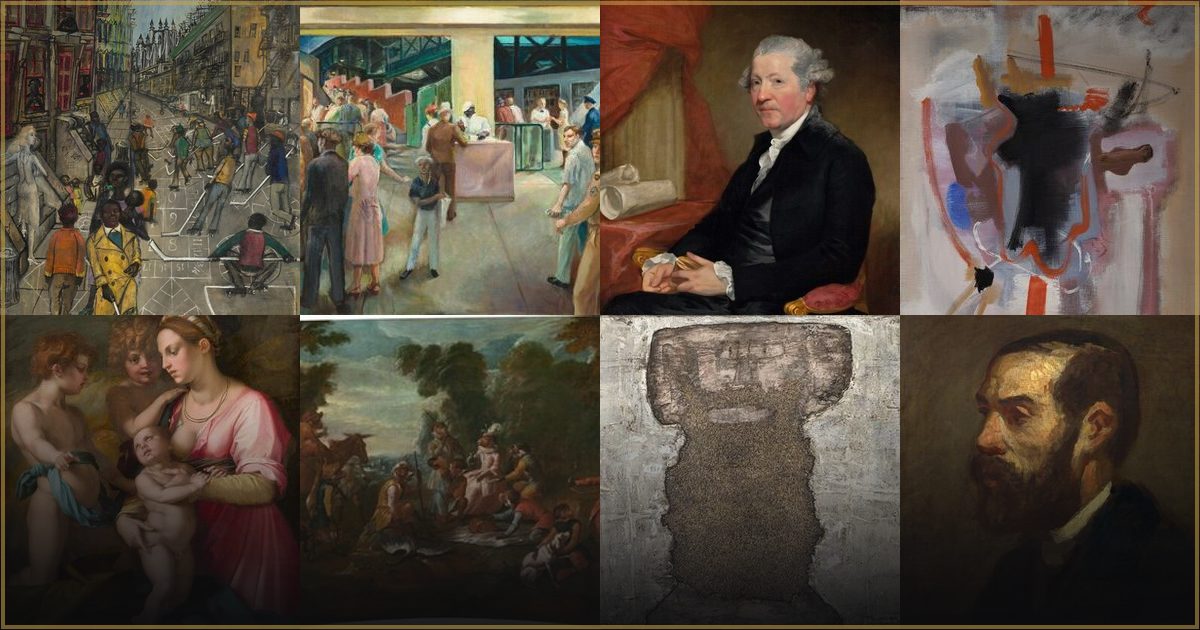
What makes Isadore Goldberg’s classical style so timeless? The answer lies in his ability to strip away the noise of fleeting modern trends and focus on the fundamental truths of form, structure, and light. At a time when the art world was rushing toward rapid experimentation, Goldberg chose a path of deliberate, quiet discipline. Rooted in the rigorous traditions of classical draftsmanship, his work reflects a profound reverence for the physical world. By marrying the academic precision of the classical revival with a clean, almost minimalist sensibility, he created compositions that feel both ancient and remarkably fresh. Exploring the Full Isadore Goldberg collection reveals an artist who understood that true beauty doesn't need to shout to be heard.
The Art of Quiet Chiaroscuro
At the heart of Goldberg's enduring appeal is his mastery of quiet chiaroscuro—the delicate interplay of light and shadow. While historical masters often used high-contrast light for theatrical, high-stakes drama, Goldberg’s approach is far more intimate and contemplative. He favored a highly restrained tonal palette, working with earthy, muted colors that allow the viewer to focus entirely on volume and poise. Under his brush, light does not just illuminate a subject; it gently caresses it, revealing the soft curve of an edge or the solid weight of a form. This careful, academic discipline creates a sense of stillness, inviting us to slow down and appreciate the quiet poetry of a single, well-defined moment.
Finding Beauty in the Everyday
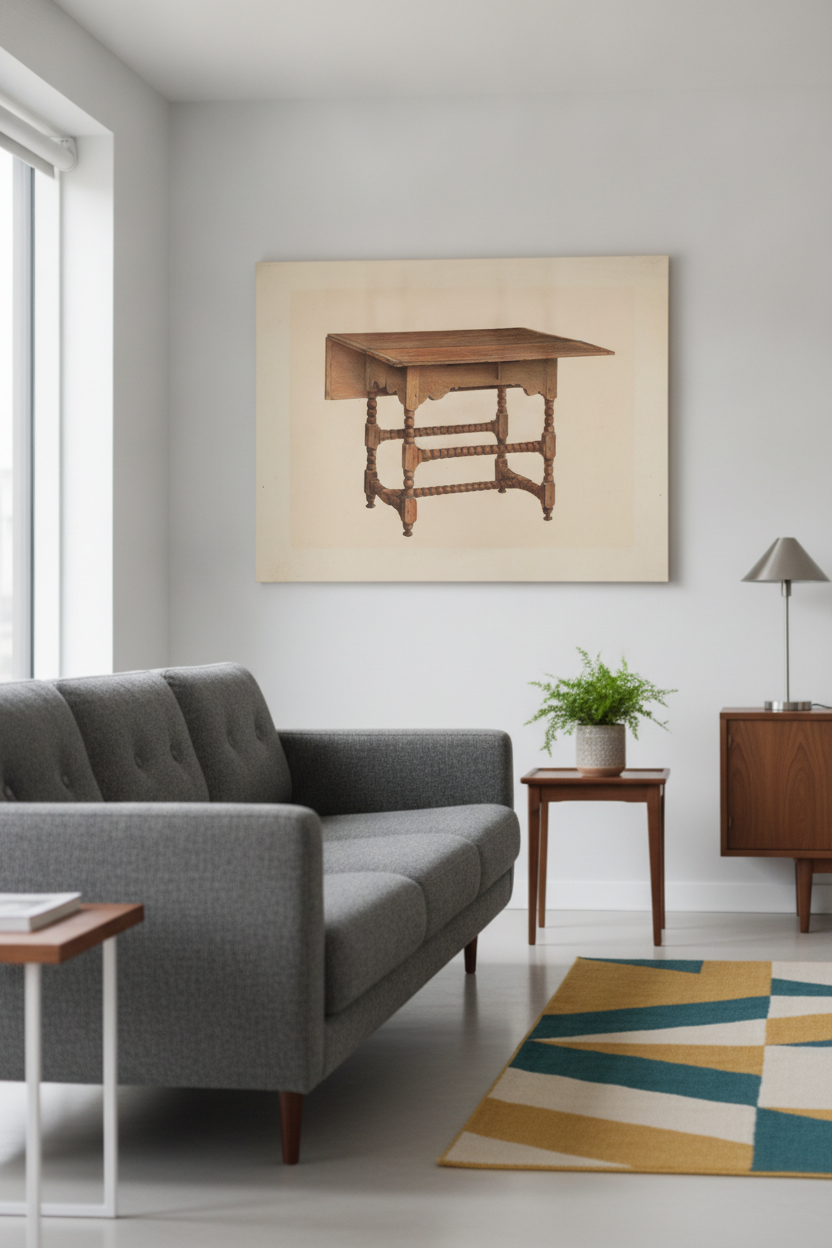
This philosophy of finding extraordinary beauty in ordinary things is perfectly captured in his celebrated Drop-leaf Table (c. 1938). In this remarkable composition, a simple, utilitarian piece of household furniture is elevated to a subject of profound dignity. Rather than presenting a cluttered scene, Goldberg isolates the table, turning it into a masterful study of balance, structure, and texture. The precise draftsmanship highlights the clean lines of the woodwork, while the subtle transitions of light across its surface evoke a deep sense of nostalgia and calm. It is a testament to how classical realism can transform the most familiar, everyday objects into timeless monuments of quiet grace.
Bringing Classical Poise to Contemporary Walls
Why do Goldberg’s mid-century classical realist works feel so perfectly at home on contemporary walls? The secret is their inherent restraint and structural clarity. In our fast-paced digital age, our eyes crave spaces of rest. Goldberg’s art provides exactly that—a visual sanctuary. His muted color schemes—rich umbers, soft creams, and deep, velvety charcoal tones—blend seamlessly with modern interior design aesthetics, from warm minimalism to classic transitional spaces. Whether displayed as a textured canvas or a beautifully framed fine-art print, his compositions bring a grounding presence, a touch of academic history, and an undeniable sense of sophisticated calm to any room in a modern home.
Frequently asked questions
What is Classical Realism?
Classical Realism is an artistic movement that values traditional skills, including precise draftsmanship, realistic representation, and the close study of nature. It draws direct inspiration from the classical art of the Renaissance and the 19th-century academic traditions.
What characterizes Isadore Goldberg's specific style?
Goldberg is celebrated for his restrained tonal palette, rigorous draftsmanship, and a quiet, subtle use of chiaroscuro (light and shadow). His minimalist lens elevates everyday subjects into timeless, contemplative studies of form and volume.
How do Goldberg's works look as fine-art prints?
They translate beautifully. Because his style relies on delicate gradations of light and dark, high-quality archival printing captures the rich, deep tones and subtle textures of his original compositions, making them look stunning on both textured paper and canvas.