What makes Northern Renaissance art so different?
In short: While Italy chased classical perfection, Northern Renaissance artists found beauty in the real world—pioneering oil painting, printmaking, and true landscape art.
The Beauty of the Real World
To understand the Northern Renaissance, look away from the idealized marble of Italy and gaze instead into a polished brass basin, a heavy wool cloak, or a weathered face. While Italian artists of the fifteenth and sixteenth centuries chased classical symmetry and idealized human forms, their northern counterparts in Germany, France, and the Netherlands fell in love with the texture of everyday life.
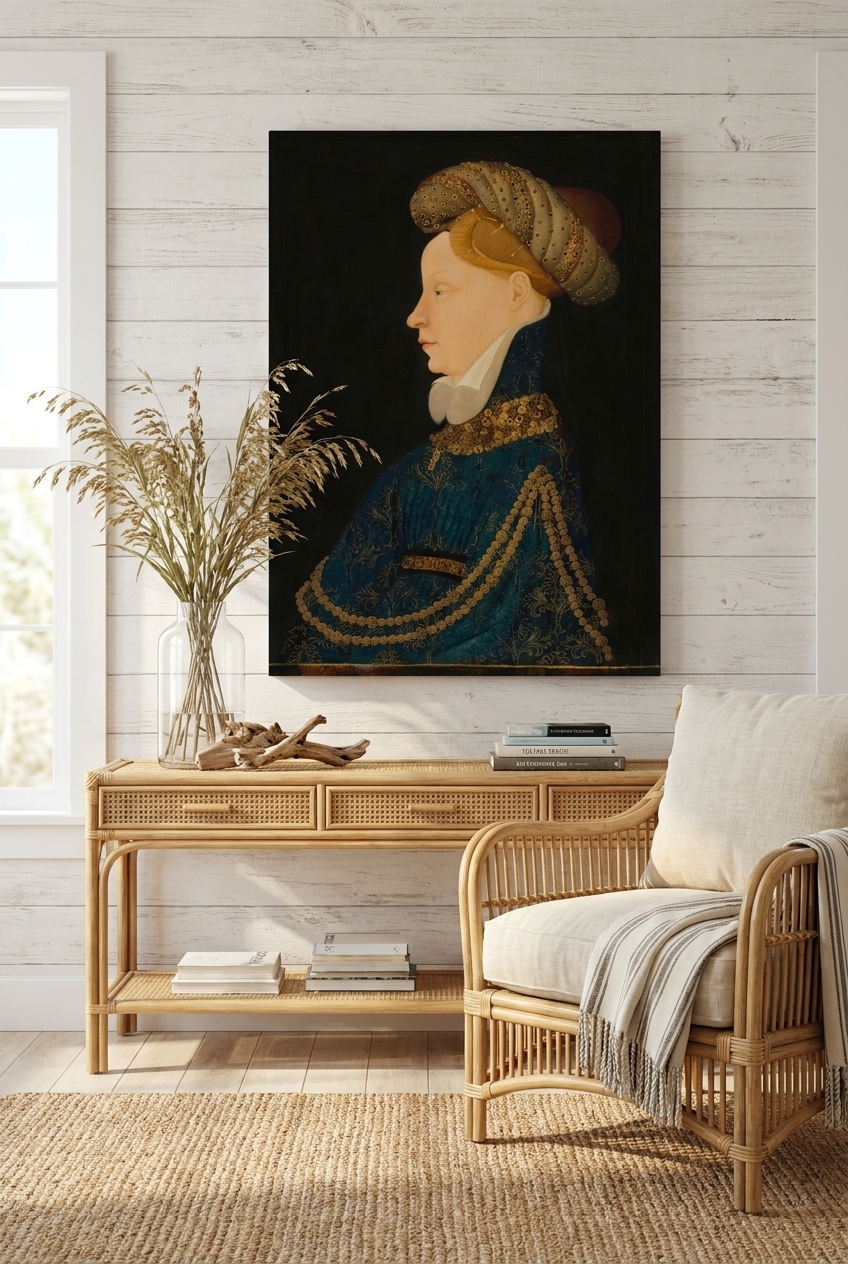
This movement answered the quest for meaning not through ancient myths, but through intense observation. From the courtly elegance of the Franco-Flemish 15th Century style to the robust humanism of the German 15th Century, these artists captured the world exactly as it was. An early masterpiece like the Profile Portrait of a Lady shows this transition beautifully, balancing medieval grace with a new, quiet psychological depth.
Masters of the Intricate Line
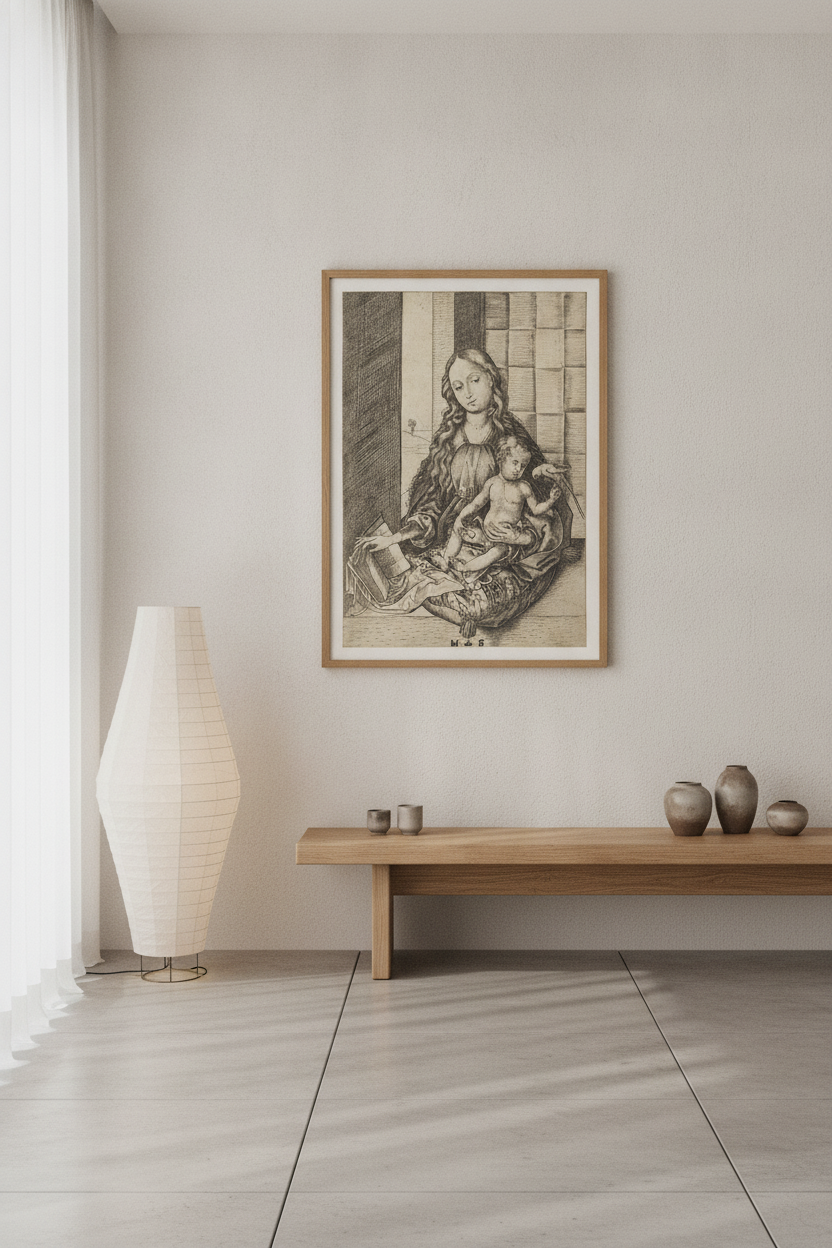
One of the greatest achievements of the Northern Renaissance was the perfection of printmaking. Woodcuts, engravings, and etchings allowed art to travel, spreading new ideas across Europe. Artists like Martin Schongauer achieved an astonishing level of detail with the burin, creating soft textures and rich tones in works like the Madonna with a Parrot. Schongauer’s ability to render the delicate feathers of a bird or the folds of heavy fabric set a new standard for graphic art.
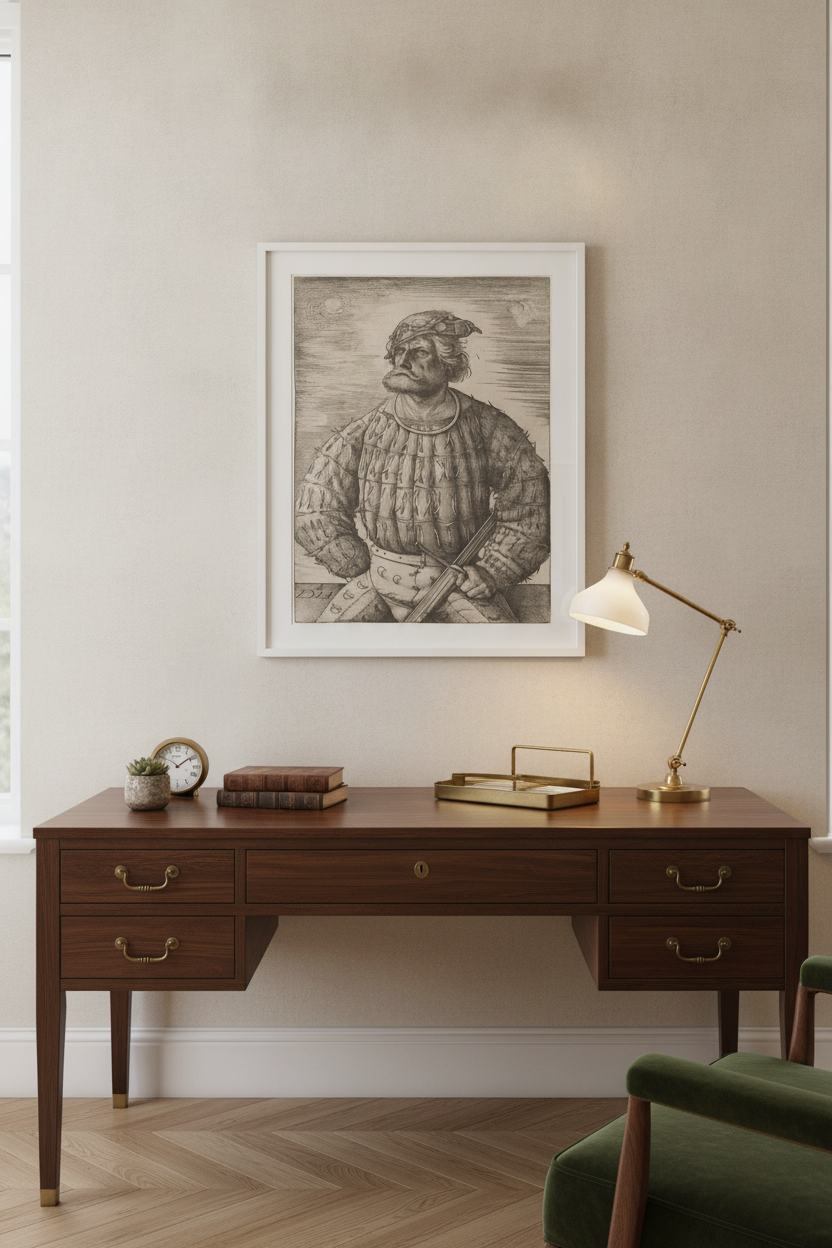
This graphic revolution was carried forward by a brilliant generation of German printmakers. Daniel Hopfer pioneered the use of etching in printmaking, bringing a bold, decorative energy to portraits like Kunz von der Rosen. Meanwhile, printmakers like Israhel van Meckenem and Heinrich Aldegrever captured domestic scenes and intricate ornament, while the Beham brothers—Barthel Beham and Sebald Beham, along with works produced after Barthel Beham—became famous as the "Little Masters," creating tiny, highly detailed prints that packed immense drama into tiny spaces.
The Invention of Landscape
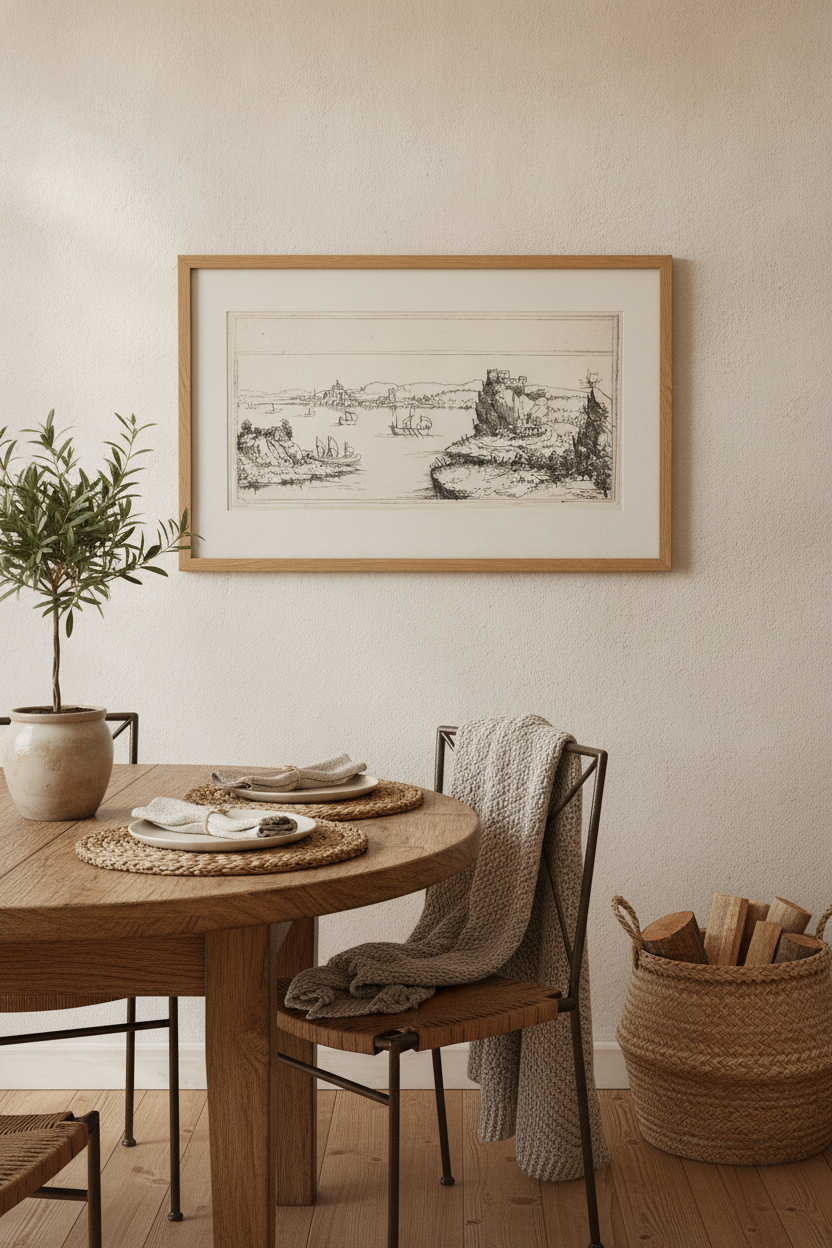
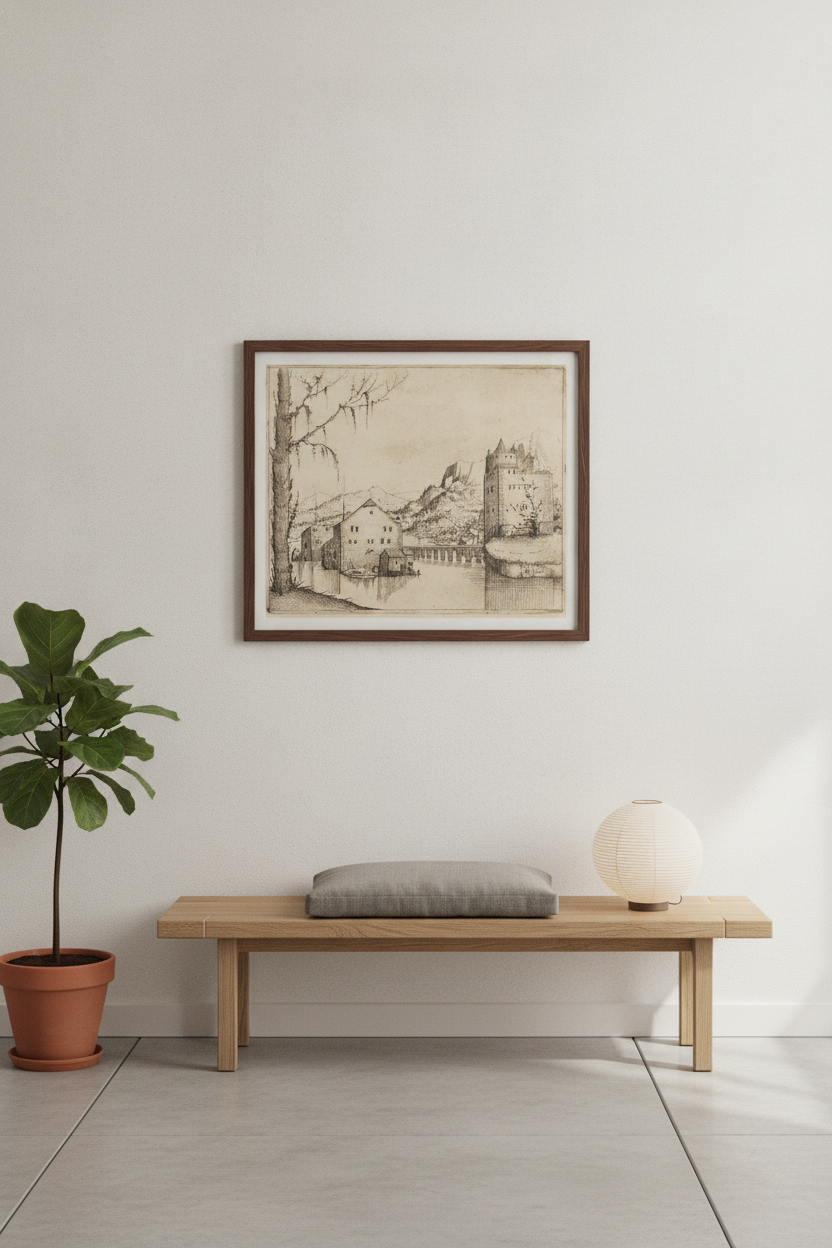
Before the Northern Renaissance, nature was merely a backdrop for holy figures or wealthy patrons. But in the sixteenth century, artists began to paint and print the natural world for its own sake. This was the birth of the true landscape. Pioneers like Albrecht Altdorfer and Augustin Hirschvogel looked at the wild forests, winding rivers, and craggy mountains of northern Europe and saw something worth celebrating.
Hirschvogel and his contemporary Hanns Lautensack stripped away the heavy religious narratives to focus on atmosphere, light, and space. Their delicate, airy etchings feel remarkably modern. By focusing on the quiet beauty of a riverbank or a cluster of trees, they invited viewers to find peace in the natural world—a sentiment that still resonates when these images are displayed on contemporary walls.
Tapestries and Grand Designs
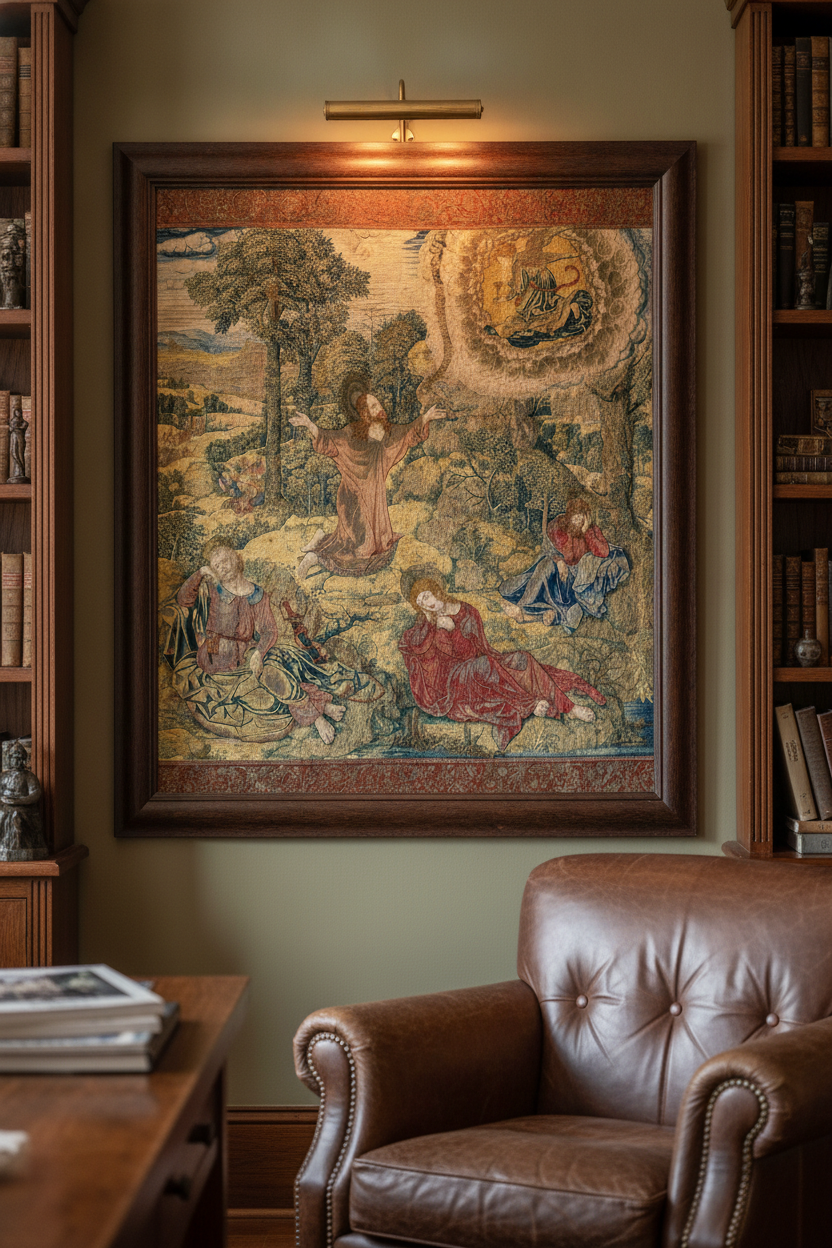
The Northern Renaissance was not limited to paper and canvas. Wealthy patrons across Europe clamored for grand tapestries, which served as both insulation for drafty stone castles and magnificent status symbols. Master weavers like Pieter Pannemaker I, working after designs by the court painter Bernard van Orley, created stunning textile masterpieces like The Garden of Gethsemane. These works combined the monumental scale of Italian composition with the obsessive, botanical detail typical of the Northern style.
Styling Northern Art Today
Bringing Northern Renaissance art into a modern home adds an instant layer of intellect, history, and warmth. Because many of these works are highly detailed prints, engravings, or tapestries, they work exceptionally well in intimate spaces where guests can stand close and appreciate the fine linework. Try hanging a series of small, framed etchings in a study, or let a large tapestry print serve as a rich, textured focal point in a dining room. Pair them with natural materials like dark oak, leather, and brass to complement their historic soul.
Frequently asked questions
What is the main difference between the Northern Renaissance and the Italian Renaissance?
While Italian artists focused on classical antiquity, anatomy, and idealized beauty, Northern Renaissance artists prioritized empirical observation, domestic realism, extreme detail, and the natural landscape.
Why was printmaking so important during this era?
Printmaking allowed artists to reproduce and distribute their work easily. This democratized art ownership, making beautiful images accessible to the emerging middle class and spreading artistic innovations rapidly across Europe.
How should I frame a Northern Renaissance print?
Because of their fine linework and historic character, these prints look best in clean, classic frames. A simple black or dark wood frame with an off-white mat highlights the intricate details without overwhelming the artwork.