Why does Carl Strehlau's art feel so peaceful?
In short: Carl Strehlau's work balances classical European restraint with meticulous clarity, offering a timeless, calming escape perfect for modern interiors.
The Art of Quiet Contemplation
Carl Strehlau’s art does not shout; it whispers. In a world full of visual noise, his work offers a rare commodity: absolute stillness. Deeply rooted in the refined academic traditions of nineteenth-century Central Europe, Strehlau’s compositions carry a sense of serene restraint and formal harmony that feels almost therapeutic today.
Whether painting a quiet woodland or capturing a simple object, Strehlau sought to balance rigorous, disciplined draftsmanship with a deeply poetic vision. He looked at the natural world not as a wild, chaotic force, but as a space of profound order and peace. This classical approach allows his work to feel incredibly stable, grounded, and timeless.
From Woodlands to Folk Art Precision
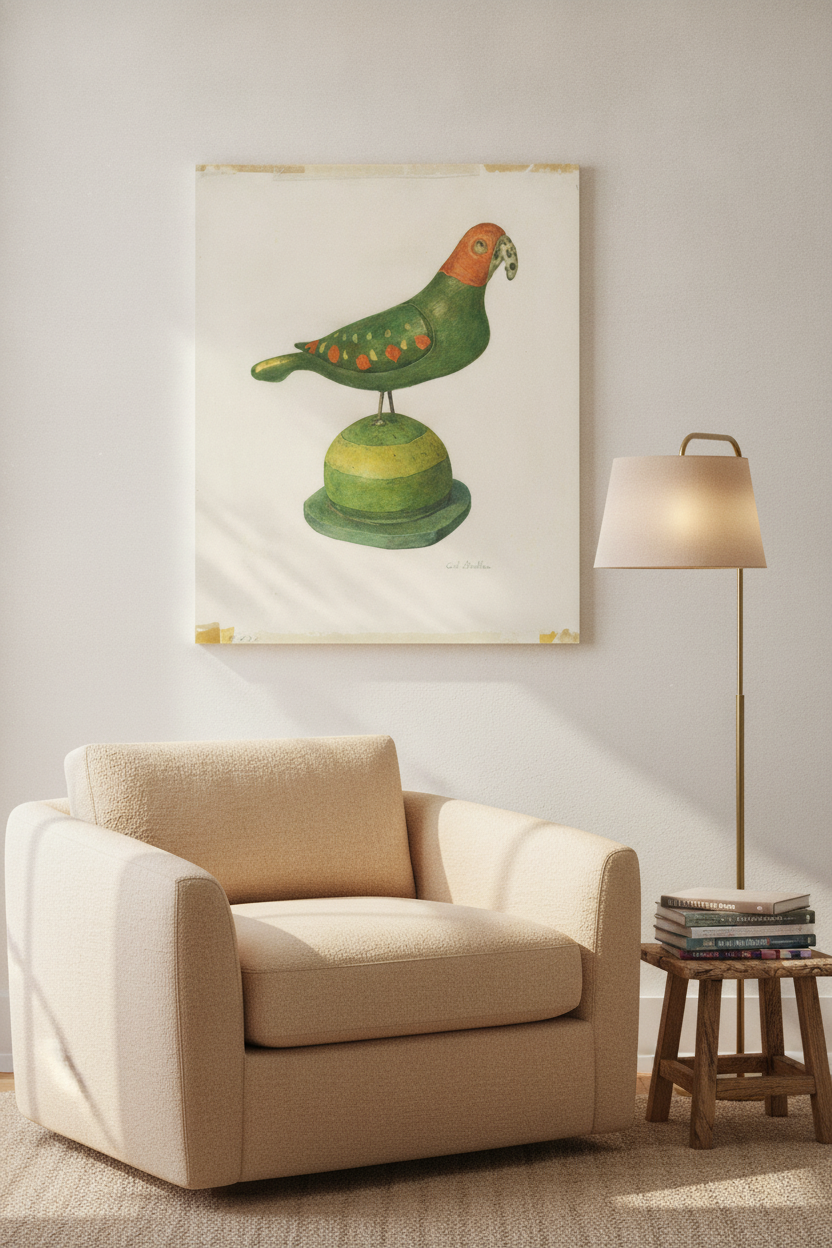
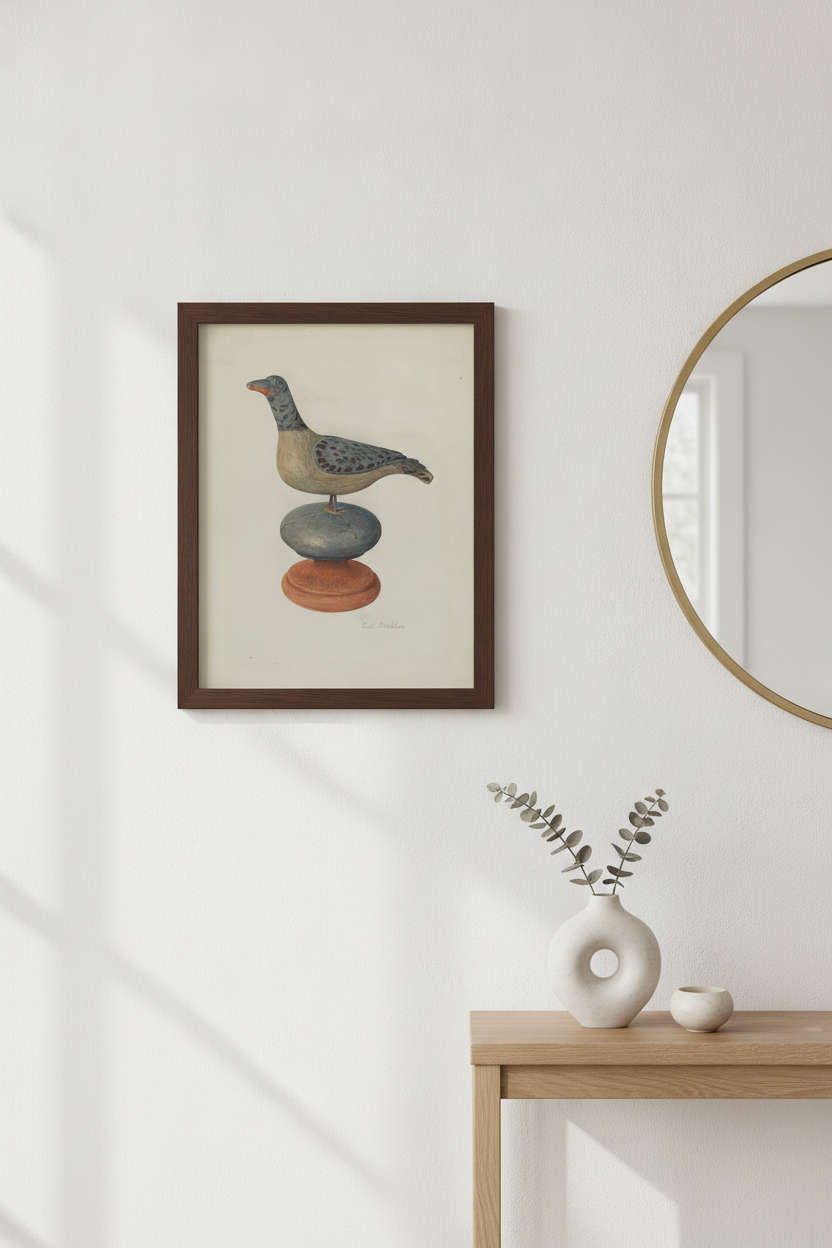
While Strehlau is celebrated for his atmospheric landscapes, his incredible eye for detail also led him to capture the quiet beauty of everyday historical objects. During his career, this meticulous draftsmanship was channeled into documenting American folk art with the same reverence one might give a classical sculpture.
A prime example of this is his rendering of the Pensylvania German Carved Bird. In this piece, Strehlau captures the weathered texture of painted wood and the simple, honest craftsmanship of the original carver. He treats the folk object with immense dignity, using soft lighting to give it a sculptural, three-dimensional presence. He returned to this subject with the Pa. German Carved Bird, demonstrating his unique ability to find high art in humble, historic crafts.
The Magic of Atmospheric Light
What makes a Strehlau piece so instantly recognizable is his handling of light. He avoided harsh, dramatic shadows in favor of a soft, diffused illumination that seems to glow from within the canvas. This gentle light softens the edges of his subjects, creating a dreamy, atmospheric quality.
Yet, beneath this soft exterior lies a firm structural clarity. Strehlau was a master of composition, carefully placing every tree, branch, or carved line to guide the viewer’s eye through the space. The result is a perfect marriage of soft atmosphere and hard structure—a combination that makes his work feel both gentle and incredibly strong.
Bringing Serenity into the Modern Home
Modern interiors often thrive on clean lines and open spaces, but they can sometimes feel a bit cold. Strehlau’s artwork is the perfect antidote. His delicate, earthy palette of muted greens, soft browns, and warm ochres introduces natural warmth without disrupting a clean, contemporary aesthetic.
A print from the Full Carl Strehlau collection acts as a visual window to a quieter time. Placed in a busy living room, a bedroom, or a home office, his quiet woodlands and dignified folk art studies bring a sense of grounding and perspective. They invite you to pause, breathe, and appreciate the quiet harmony of the world.
Frequently asked questions
What art movement is Carl Strehlau associated with?
Carl Strehlau is associated with the Classical and academic traditions of nineteenth-century Central Europe, characterized by formal harmony, rigorous draftsmanship, and a poetic, idealized view of nature.
What are the main subjects of Strehlau's work?
Strehlau is known for his serene, atmospheric landscapes, quiet woodlands, and highly detailed renderings of historic American folk art, such as carved wooden birds.
How does Strehlau use light in his paintings?
He utilizes soft, diffused, and gentle illumination rather than harsh contrast. This creates a calm, timeless atmosphere and a sense of quiet contemplation.