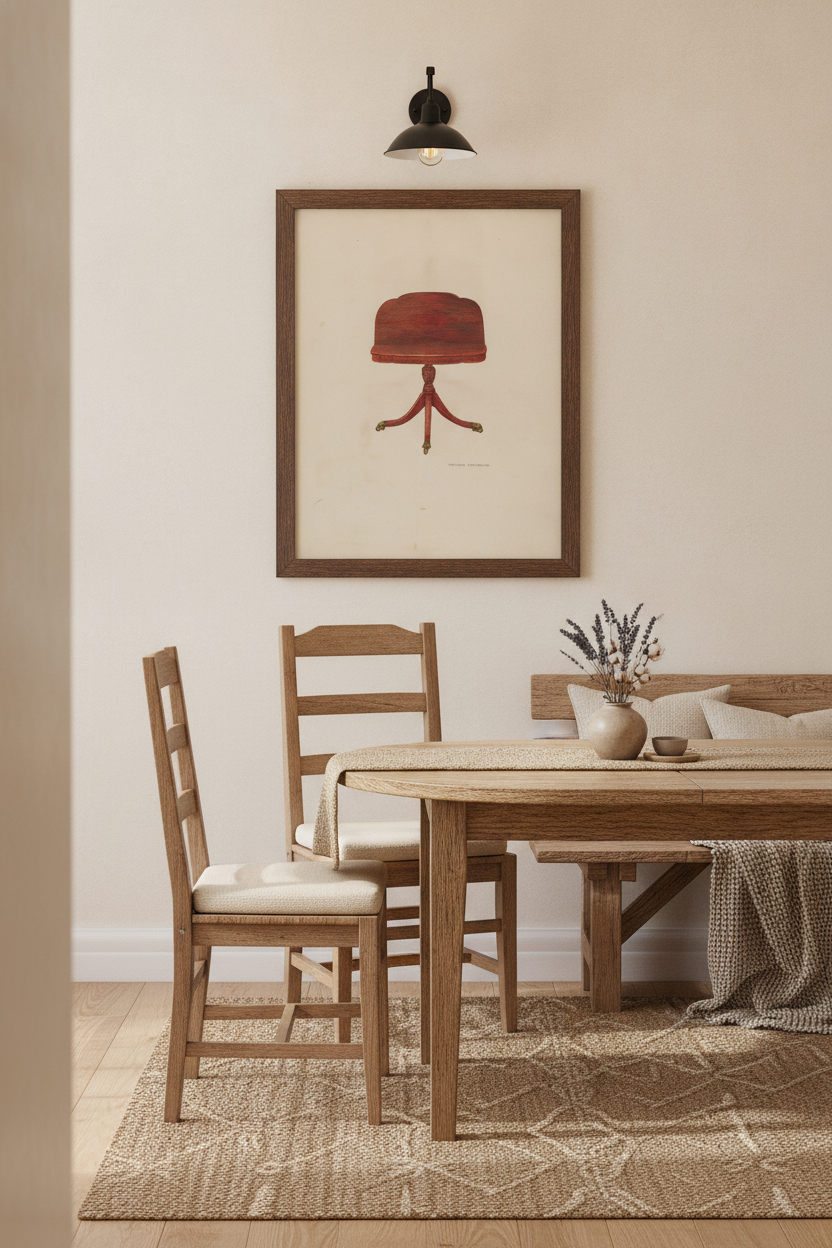
Why does Dorothea A. Farrington's art feel so timeless?
In short: Dorothea A. Farrington's work endures because of its deep roots in the Classical tradition, combining meticulous draftsmanship with a serene, balanced atmosphere that brings a grounding presence to modern spaces.
The Art of Quiet Restraint
In a world that often feels loud and hurried, there is a profound comfort in art that refuses to shout. The work of Dorothea A. Farrington does exactly this. Rooted deeply in the Classical tradition, her compositions offer a serene escape into balance, symmetry, and idealized form. But why does her art continue to feel so timeless and relevant today?
The answer lies in her deliberate rejection of transient trends. Instead of chasing the fleeting fashions of her era, Farrington turned her eye toward the enduring principles of the academic lineage. Her work is characterized by a harmonious palette and a meticulous attention to light and shadow. Every line is rendered with quiet restraint, prioritizing structural clarity over flashy effects. When you look at her pieces, you are not just looking at a subject; you are experiencing a masterclass in poise and order. You can explore these calming qualities yourself in the Full Dorothea A. Farrington collection.
Finding Grace in the Everyday
At first glance, Farrington’s choice of subjects might seem humble. She frequently focused on quiet, domestic scenes and historical objects. Yet, her rigorous draftsmanship elevated these simple subjects into something monumental and poetic.
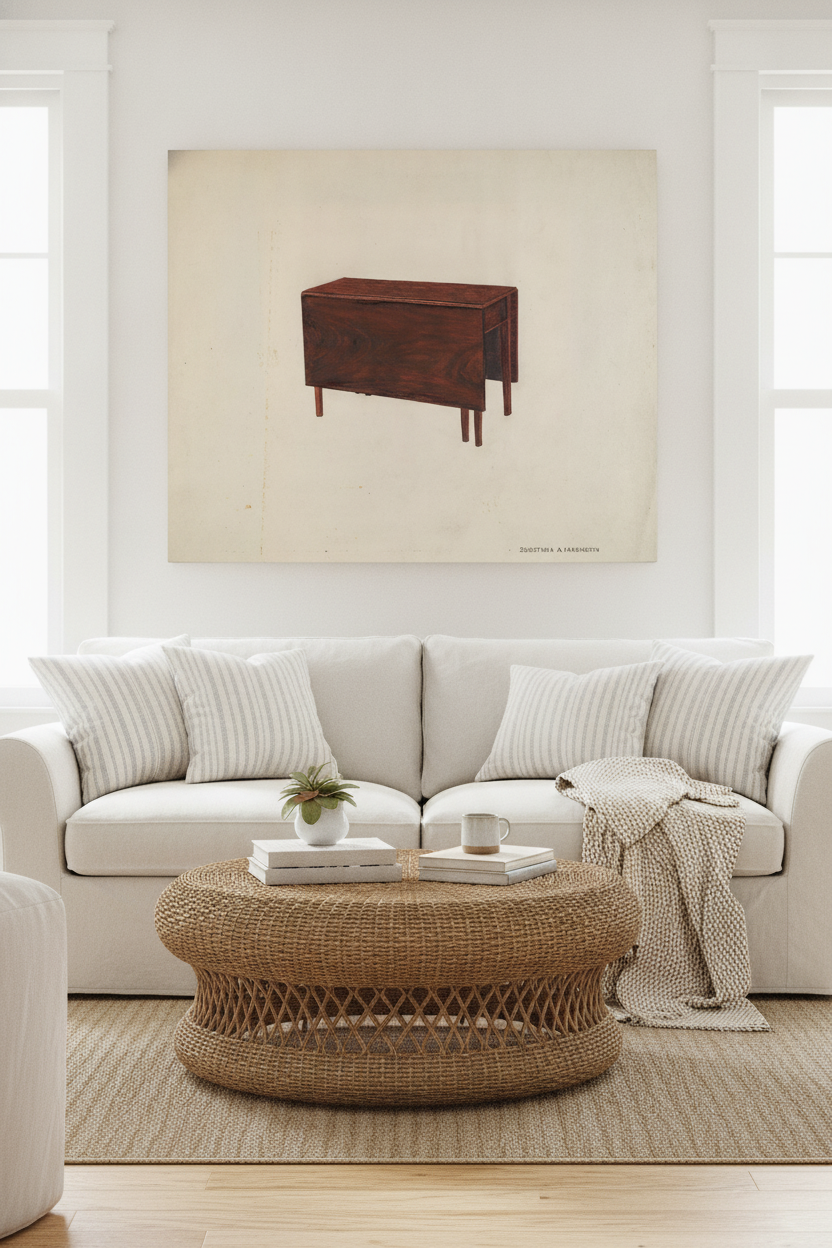
Take, for example, her rendering of a Drop Leaf Table (c. 1941). What could have been a dry, technical illustration becomes a beautiful study of form and atmosphere. Farrington integrates the subject seamlessly into its environment, using soft gradients of light and shadow to give the wood a tactile, glowing warmth. The symmetry of the table's design is balanced by the organic softness of the light playing across its surface. This ability to capture quiet moments of grace with a poised, deliberate hand is the hallmark of her style.
Bringing Classical Harmony Home
Because Farrington's work is built on the foundational rules of classical harmony, it possesses a unique versatility that makes it exceptionally well-suited for modern living spaces. Contemporary homes, with their clean lines and minimalist tendencies, find a perfect partner in her structured compositions.
A high-quality reproduction, such as the Drop Leaf Table (c. 1941) classical art print, acts as a grounding element in a room. It brings a sense of history and craftsmanship without feeling dusty or dated. The neutral, harmonious tones blend effortlessly with modern color schemes, while the quiet depth of the image invites viewers to pause, breathe, and contemplate. In an era of digital distraction, hanging a piece of Farrington’s art on your wall is a gentle reminder of the beauty of slow, deliberate observation.
Frequently asked questions
What is the Classical tradition in art?
The Classical tradition emphasizes balance, symmetry, idealized form, and clear structure. It draws inspiration from historical academic lineages, focusing on harmony and quiet restraint rather than emotional exaggeration or fleeting modern trends.
What makes Dorothea A. Farrington's style unique?
Her style is defined by rigorous draftsmanship, a harmonious color palette, and a seamless integration of subject and atmosphere. She used light and shadow with meticulous care to create a sense of quiet contemplation and structural clarity.
How should I frame a Farrington print for a modern room?
Because her work features clean lines and a neutral, harmonious palette, it pairs beautifully with simple, elegant frames. A thin black, dark wood, or natural oak frame with a generous white mat will highlight the classic structure of the artwork while keeping it feeling fresh and modern.