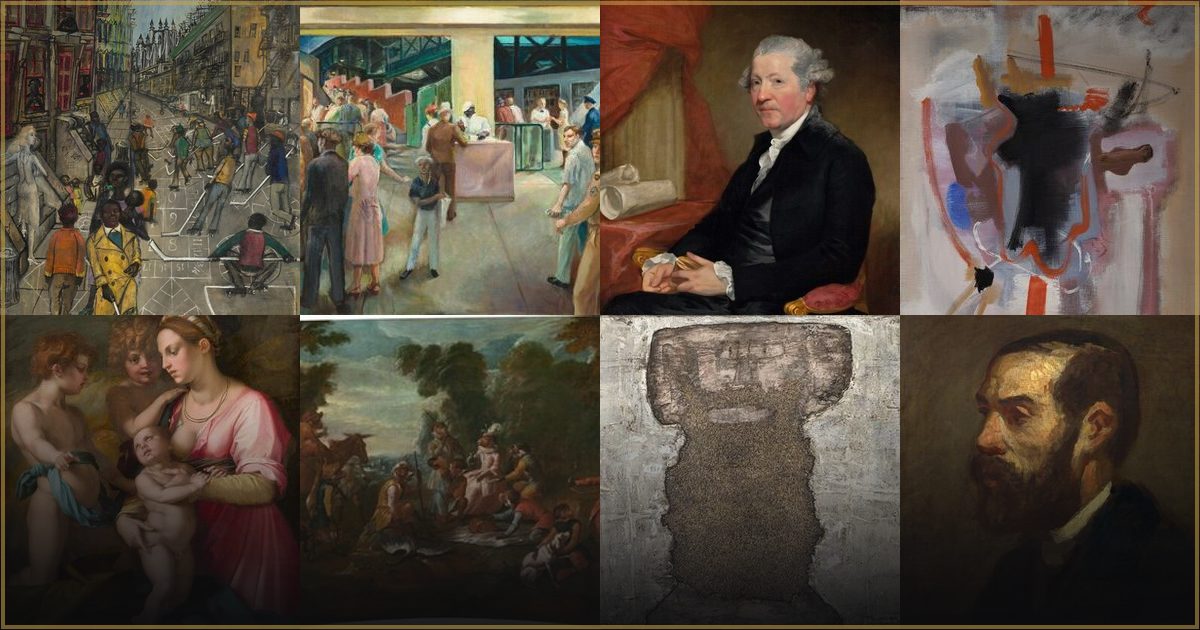
Why does the art of C.H. Hastings feel so peaceful?
In short: C.H. Hastings combined academic precision with soft, atmospheric light to create balanced, poetic art that brings a sense of quiet meditation to any modern space.
The Search for Ideal Harmony
In a world that often feels fast-paced and chaotic, the art of C.H. Hastings offers an immediate antidote. His work feels profoundly peaceful because it is rooted in the classical tradition of balance, order, and idealized harmony. Rather than capturing the raw, unpredictable wildness of nature, Hastings sought to distill the world into poetic, carefully structured vistas.
Working with academic precision, Hastings created compositions where every hill, tree, and cloud feels perfectly placed. This deliberate arrangement creates a sense of safety and stability, inviting the viewer to step into a space of quiet contemplation.
Mastering Light and Soft Atmosphere
The true magic of Hastings' style lies in his delicate orchestration of light. Using soft, blended brushwork and a restrained, earthy palette, he captured the fleeting moments of the day—the soft glow of early morning or the long shadows of late afternoon. This luminous quality of the sky suggests a moment suspended in eternal stillness.
By avoiding harsh lines and bright, jarring colors, Hastings evokes a powerful sense of quiet nostalgia. His landscapes do not demand your attention with loud statements; instead, they whisper, drawing you in with their subtle warmth and atmospheric depth.
From Serene Vistas to Timeless Craft
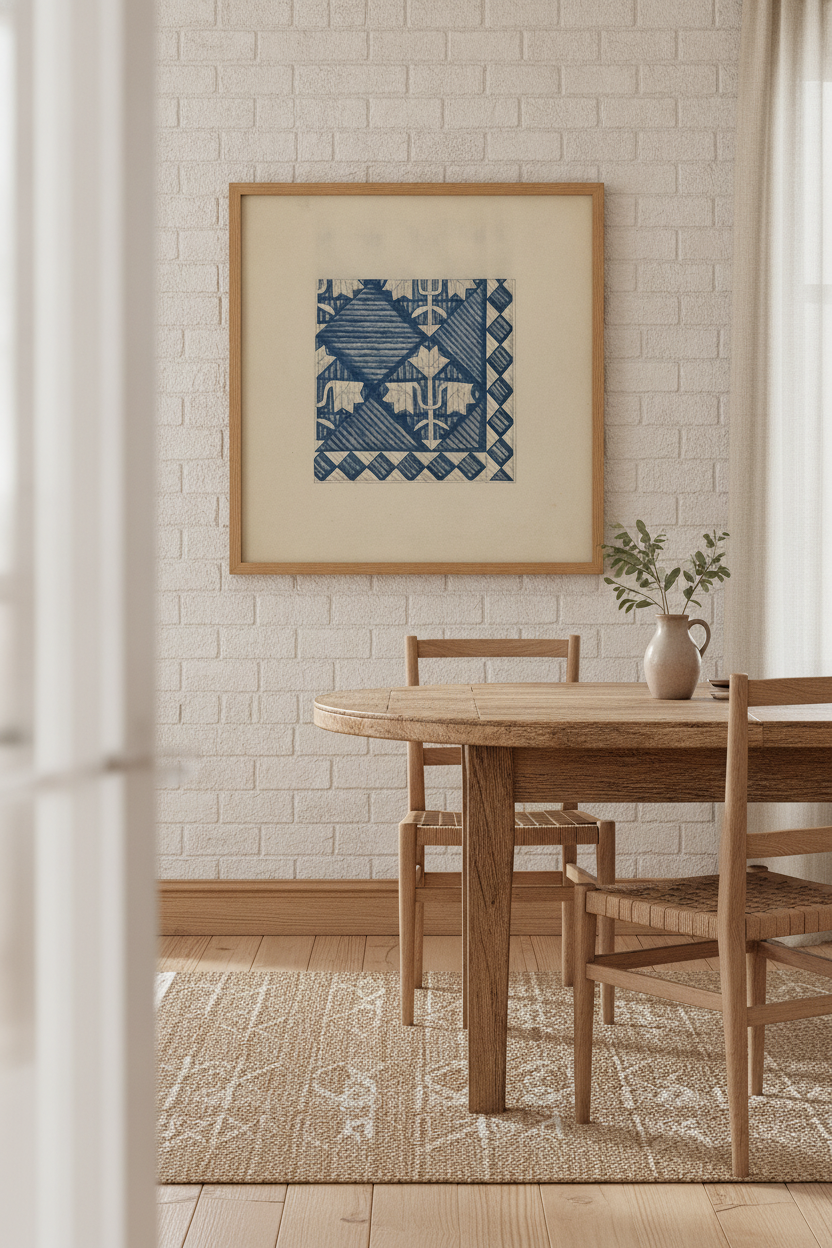
While Hastings is celebrated for his classical landscapes, his dedication to precision and traditional form extended to documenting historical American design. This same reverence for quiet, balanced beauty is evident in his renderings of traditional crafts, such as the exquisite Quilt - Meadow Lily Variant (c. 1937). In these works, Hastings treated everyday folk art with the same academic dignity as a grand classical vista.
Whether exploring his atmospheric landscapes or his meticulous design renderings, the full C.H. Hastings collection showcases an artist entirely dedicated to preserving the quiet, elegant soul of traditional craftsmanship.
Bringing Serenity into the Modern Home
Modern interiors often benefit from a focal point that brings warmth and grounding. Because Hastings' work is entirely free from modern abstraction, it acts as a timeless window into a calmer era. His soft tones and balanced compositions blend effortlessly with both contemporary minimalist decor and more traditional spaces.
Displaying these works as high-quality fine-art prints or stretched canvases allows the subtle textures of his brushwork and the warmth of his palette to shine, turning any room into a sanctuary for quiet meditation.
Frequently asked questions
What art movement does C.H. Hastings belong to?
C.H. Hastings worked within the Classical landscape tradition and the academic style, focusing on idealized harmony, balanced compositions, and precise, traditional draftsmanship.
What makes Hastings' use of color unique?
Hastings used a restrained, earthy palette dominated by soft, blended tones. This choice of color, combined with his delicate rendering of light, creates a warm, nostalgic atmosphere rather than a highly dramatic or high-contrast effect.
How do Hastings' prints look on canvas versus paper?
On fine-art paper, the delicate details of Hastings' soft brushwork and precise lines are sharp and clear. On canvas, the texture enhances the painterly, classical feel of his landscapes, making them look like original museum pieces.