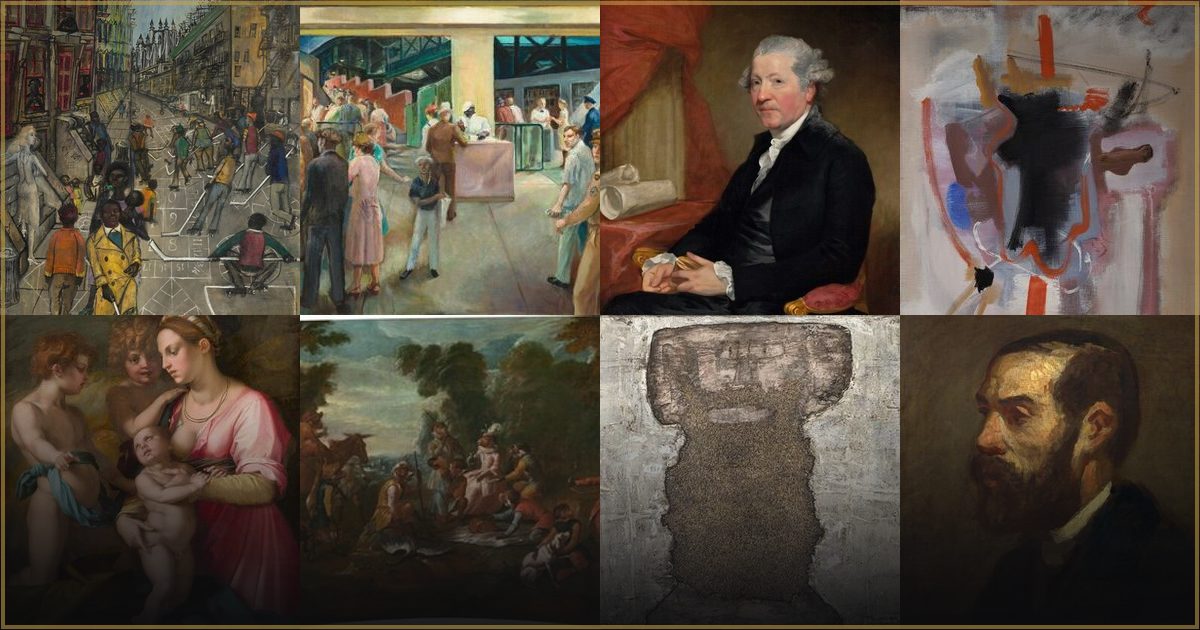
Why does the quiet art of Eugene Bartz captivate us?
In short: Eugene Bartz's Classical Realism offers a sanctuary of stillness through meticulous observation, balanced composition, and a deep reverence for the Old Masters.
Finding Stillness in a Noisy World
In an era dominated by flashing screens and rapid-fire distractions, the art of Eugene Bartz offers something increasingly rare: a sanctuary of absolute stillness. Rooted in the rigorous traditions of Classical Realism, Bartz’s work does not shout for attention. Instead, it invites us to slow down, breathe, and appreciate the quiet grandeur of simple things. By looking back to the academic draftsmanship of the Old Masters, Bartz created paintings that feel both ancient and incredibly fresh. His secret lies in a deep reverence for order, symmetry, and the subtle interplay of light and shadow.
The Magic of Meticulous Detail
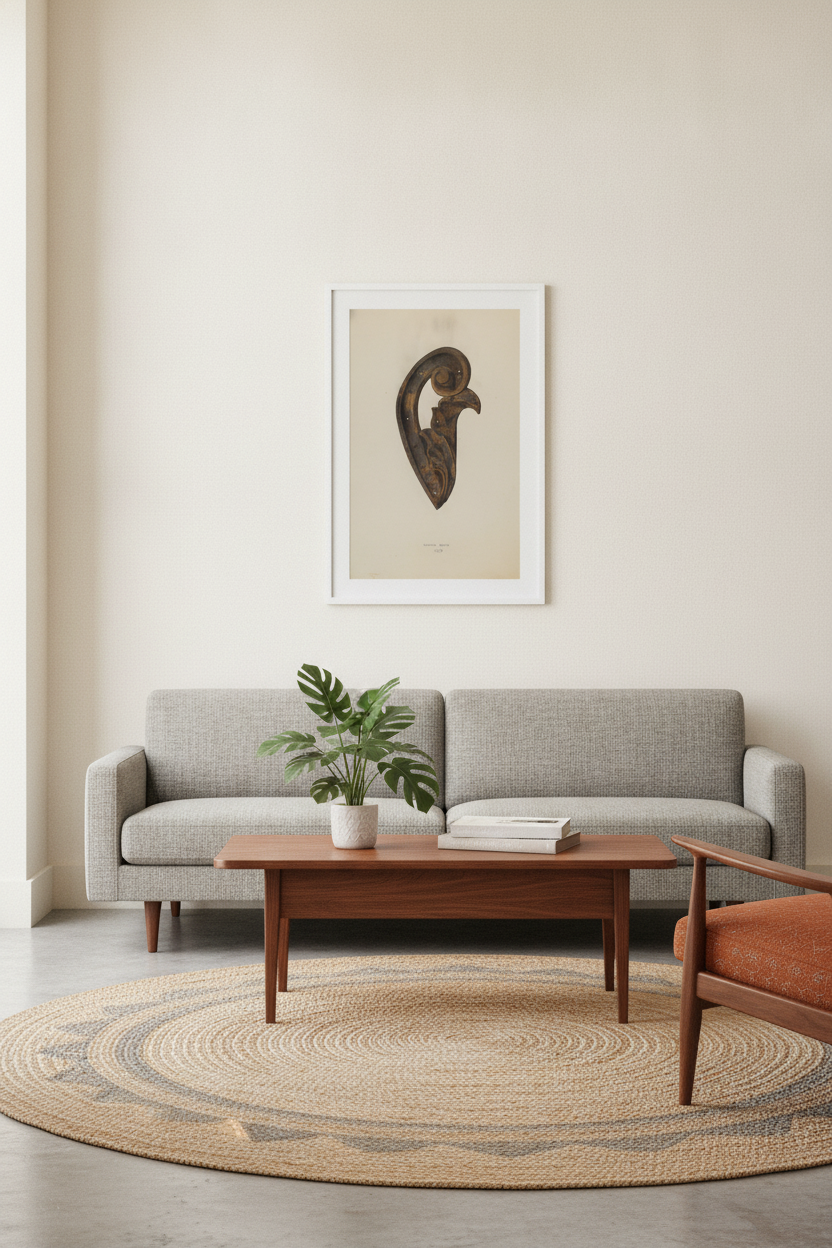
What makes a Bartz painting so mesmerizing to look at up close? It is his incredible observation of form and texture. Whether he is painting the soft, velvety bloom on a piece of fruit or the structured elegance of classical architecture, Bartz captures the tactile essence of his subjects. He achieved this through a disciplined, patient application of paint and a sophisticated, highly restrained color palette. A wonderful example of this technique is his masterpiece Leaf and Scroll (1938), which showcases his ability to turn plaster and foliage into a poetic study of form. Every brushstroke is an exercise in precision, making the final work feel almost meditative.
Why Classical Realism Fits the Modern Home
It might seem counterintuitive, but these highly traditional paintings are a perfect match for modern interior design. Today's homes often feature clean lines, open spaces, and minimalist aesthetics. A piece from the Eugene Bartz collection acts as a beautiful visual anchor in these environments. Because his work relies on balanced compositions and muted, natural tones, it brings a sense of grounding weight without clashing with contemporary decor. A high-quality canvas print of his work adds texture and depth to a room, turning a blank wall into a window of classical calm.
A Bridge to the Old Masters
Bartz did not invent his style from thin air; he stood on the shoulders of giants. Classical Realism is a modern continuation of the academic standards that governed European art for centuries. By focusing on draftsmanship, perspective, and the careful rendering of light, Bartz connected twentieth-century viewers directly to the Renaissance and Dutch Golden Age traditions. When you hang a Bartz print in your home, you are not just hanging a decorative image—you are participating in a rich, centuries-old artistic conversation.
Frequently asked questions
What is Classical Realism?
Classical Realism is an artistic movement that values the traditional skills of drawing and painting, heavily inspired by the techniques of the Old Masters. It emphasizes realistic representation, balanced composition, and a mastery of light and shadow.
When did Eugene Bartz paint "Leaf and Scroll"?
Eugene Bartz painted "Leaf and Scroll" in 1938. It remains one of the finest examples of his ability to capture classical motifs and textures with academic precision.
Why do Eugene Bartz prints look good on canvas?
Because Bartz's original works rely so heavily on rich textures, subtle gradations of light, and a painterly finish, a high-quality canvas reproduction beautifully captures the depth and tactile quality of his original oil paintings.