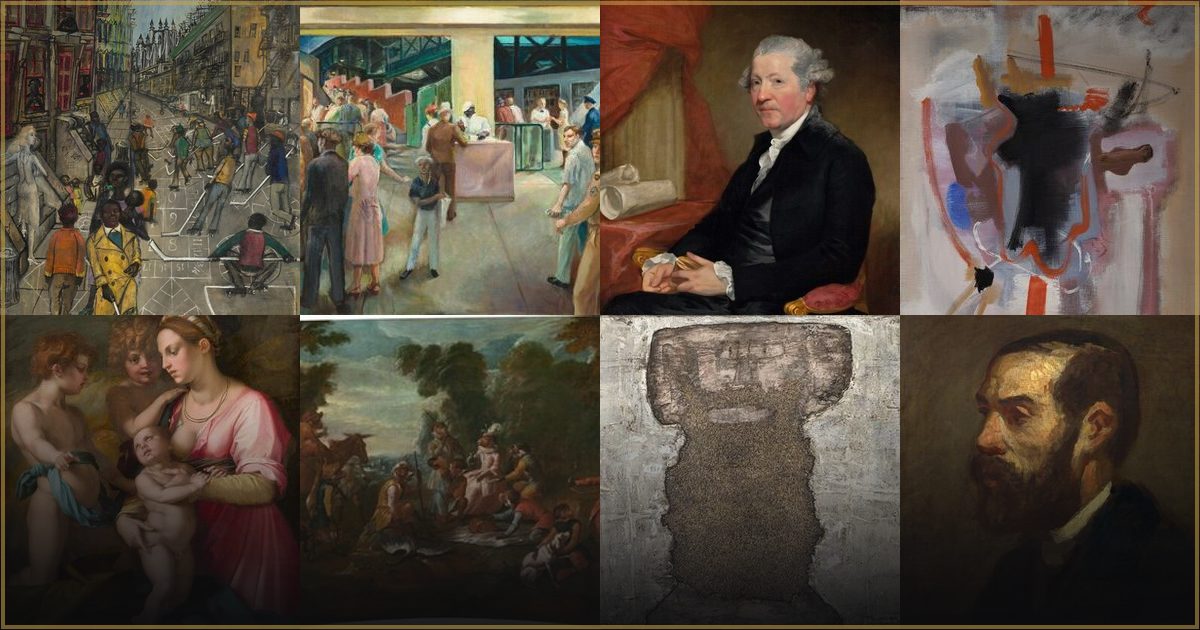
Why is 16th-century Florentine art so powerful?
In short: 16th-century Florentine art bridged the perfect harmony of the High Renaissance and the expressive drama of Mannerism, built on the foundation of masterful drawing (disegno).
The Power of Disegno
In the sixteenth century, Florence was the beating heart of artistic innovation. If you have ever stood before a piece from this era and felt a sudden hush, you have experienced the power of Florentine draftsmanship. This golden age defined the visual language of the High Renaissance and the elegant complexities of early Mannerism. But what was their secret? It all comes down to a single Italian concept: disegno. To the Florentine masters, drawing was not just a preliminary step; it was the absolute foundation of all creative expression, a way of understanding the world through line, structure, and intellect. By exploring our Florentine 16th Century collection, you can see how this obsession with structure shaped some of the most influential art in human history.
From Perfect Balance to Elegant Tension
When you look at a Florentine work from this period, you are looking at a masterclass in anatomy and gravity. Figures are rendered with a profound sense of weight, yet they never feel heavy. Instead, they possess a quiet grace. As the century progressed, artists began to move away from the calm, perfect symmetry of the early Renaissance. They started capturing figures in moments of dynamic, serpentine tension. This twisting, spiral pose became the hallmark of Mannerism, giving the art a sophisticated, expressive emotionality that feels surprisingly modern.
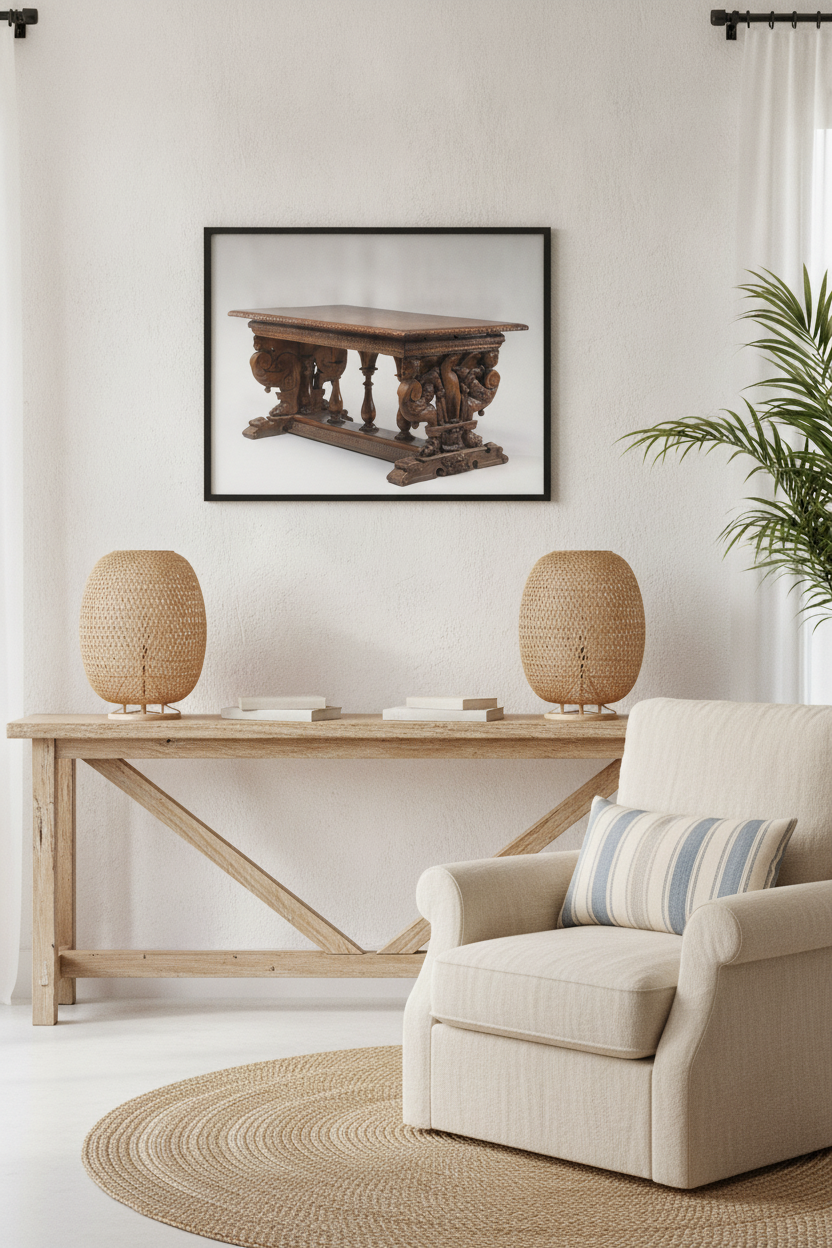
Even decorative arts from the period reflected this sculptural rigor. For instance, the design of the Walnut Table with Eagles on the Supports showcases how Florentine craftsmen applied the same principles of classical balance and dramatic, carved detail to functional household objects, blending architectural strength with natural elegance.
Bringing the Renaissance Home
There is a common misconception that classical art only belongs in traditional, museum-like settings. In truth, 16th-century Florentine art thrives in modern spaces. Because these artists prioritized structure and line, their work has an inherent neatness and clarity that grounds a room. A high-quality print of a Florentine drawing or a beautifully composed portrait brings an instant sense of calm and intellectual depth to a home.
In a minimalist space, the strong anatomical lines and rich, earthy tones of these works provide a perfect focal point. They offer a bridge between the ancient world and contemporary design, proving that true draftsmanship never goes out of style. Whether displayed on textured canvas or behind glass in a simple frame, these pieces bring a piece of history's greatest artistic laboratory into your daily life.
Frequently asked questions
What is "disegno" and why was it so important?
Disegno translates to both drawing and design. For Florentine artists, it was the intellectual and physical foundation of all art. They believed that mastering drawing was the only way to truly understand form, anatomy, and composition, setting them apart from other schools that prioritized color over line.
What is the difference between High Renaissance and Mannerism?
The High Renaissance focused on harmony, symmetry, and realistic proportion. Mannerism, which emerged in the early 16th century, took those classical foundations and introduced more tension, elongated figures, complex poses, and emotional intensity, prioritizing artistic expression over strict realism.
How do these classical prints fit into contemporary interior design?
Their strong linework, neutral tones, and sculptural compositions act as grounding elements in modern rooms. They offer a sophisticated contrast to clean, minimalist furniture, adding warmth and historical depth without overwhelming the space.