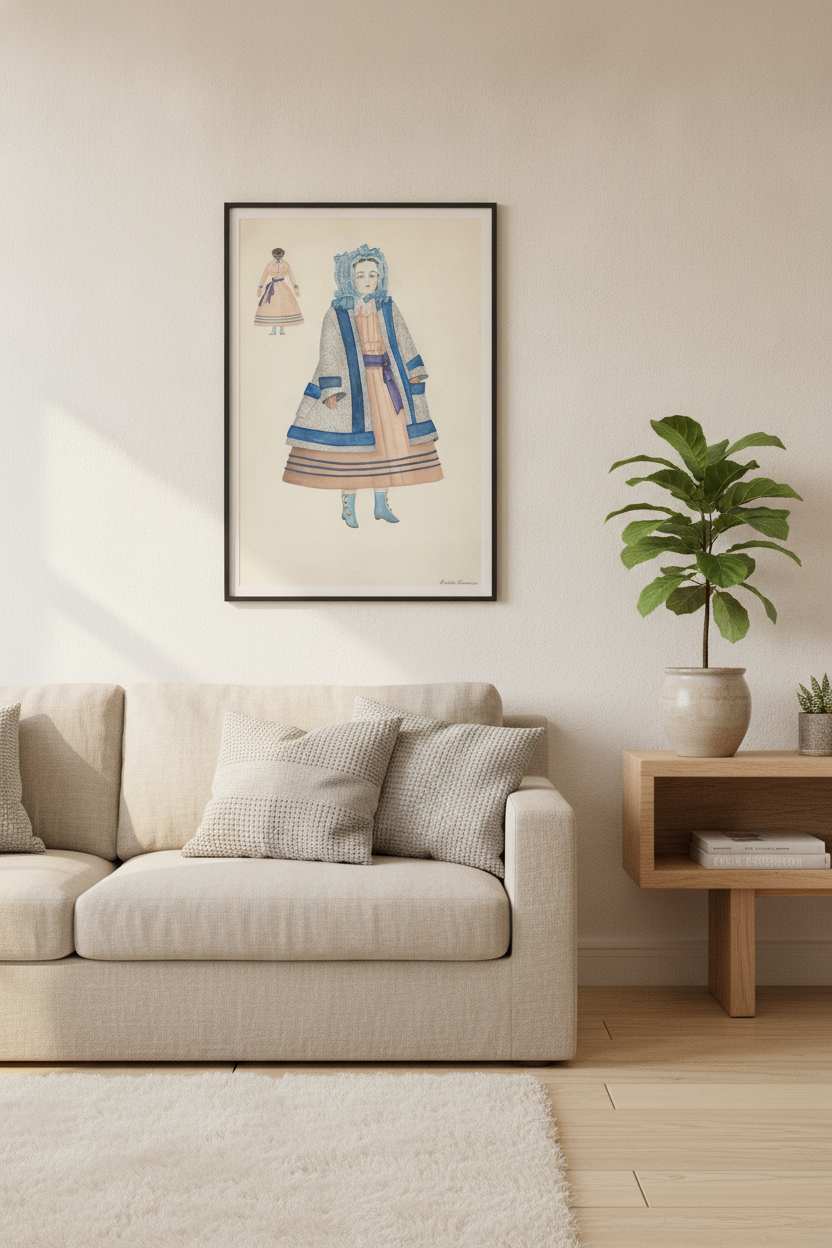
Why is Edith Towner’s quiet realism so captivating?
In short: Edith Towner’s art brings the timeless principles of classical realism—balance, symmetry, and a muted palette—into the modern home, offering a peaceful visual sanctuary.
A Sanctuary of Balance and Light
In a world that often feels loud and chaotic, the art of Edith Towner offers a rare and welcome sanctuary. If you have ever looked at a painting and felt an immediate sense of calm wash over you, you have experienced the power of classical balance. Towner’s work is captivating precisely because it rejects drama and noise in favor of quiet permanence, structural harmony, and refined draftsmanship.
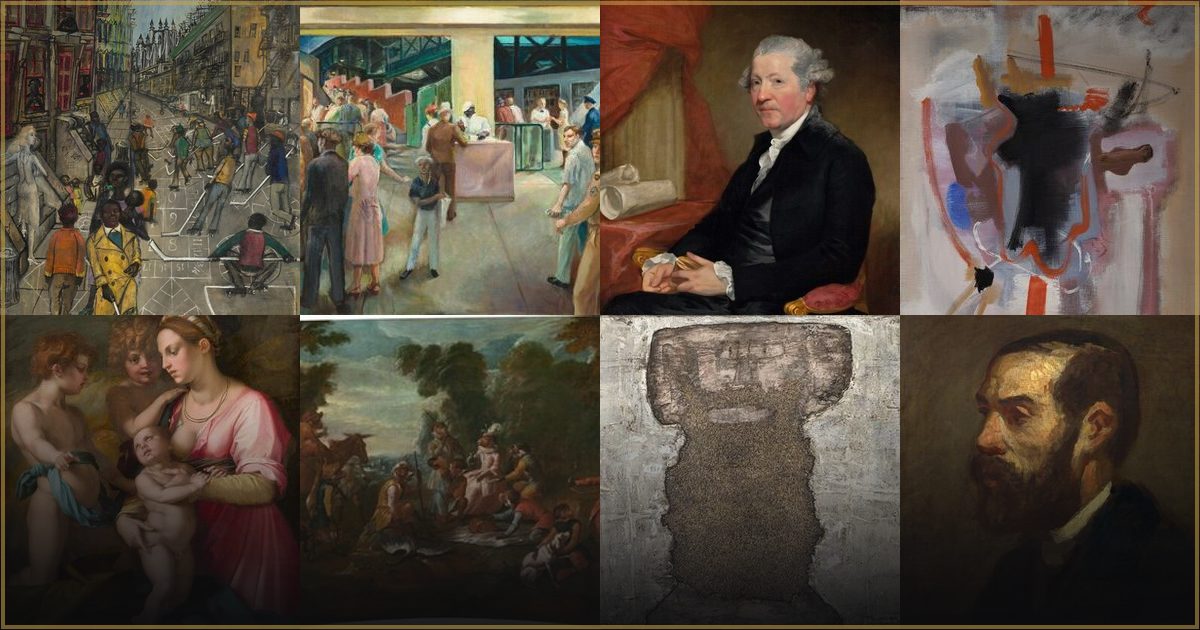
Rooted in the academic realist tradition, Towner looked at the world with a patient, disciplined eye. Whether she was rendering a simple household object or a structured landscape, her compositions prioritize a sense of silent equilibrium. By exploring the full Edith Towner collection, one quickly realizes that her art is not about fleeting moments; it is about the enduring beauty of form and light.
The Magic of Invisible Brushwork
One of the most remarkable aspects of Towner’s style is her deliberate, smooth brushwork. In an era where many artists sought to make their personal gestures and thick paint strokes the center of attention, Towner took the opposite approach. She minimized individual brushstrokes to elevate the collective unity of her subjects.
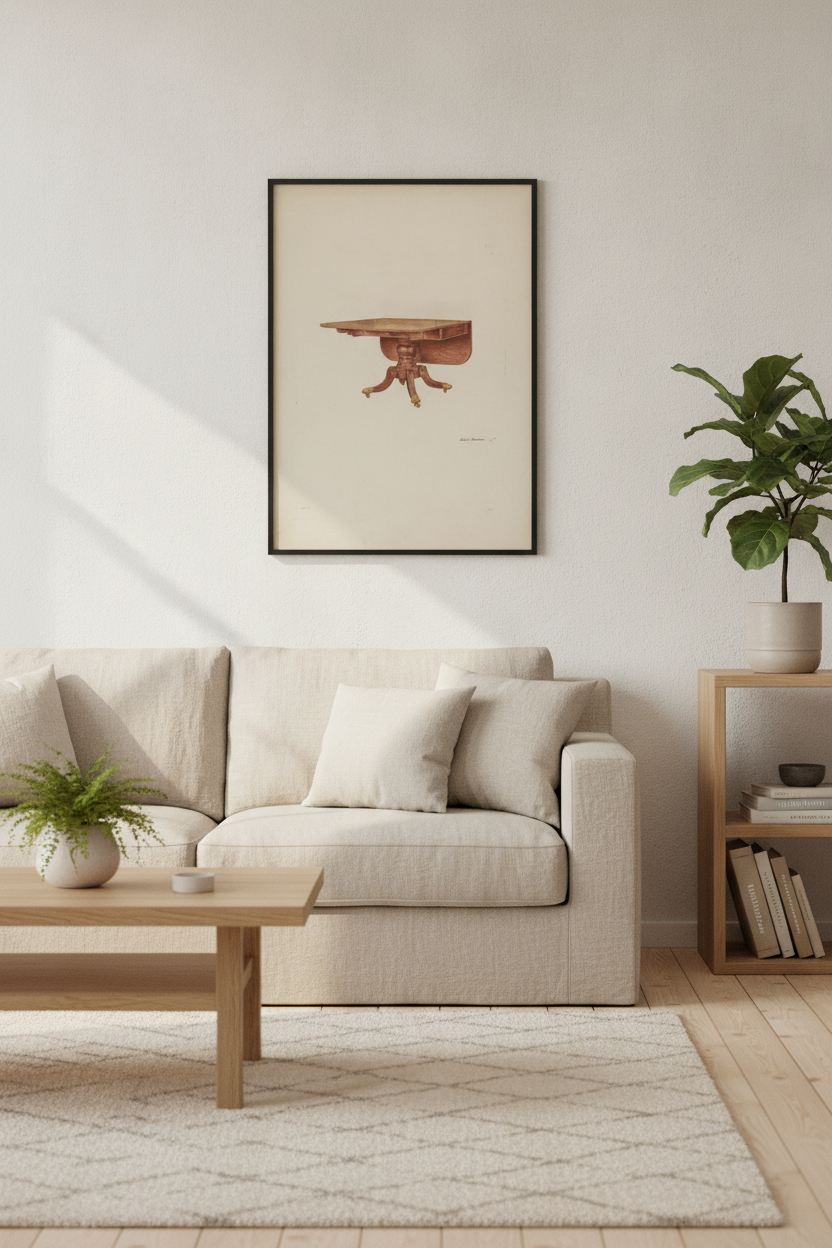
This self-restraint gives her work an almost photographic clarity, yet it remains deeply painterly and warm. Consider how she captures everyday Americana, such as in her rendering of a Table, Drop-leaf. The wood grain, the soft shadows, and the clean lines of the furniture are presented with such academic precision that the object transcends its utilitarian purpose, becoming a study in pure form and dignity.
Frequently asked questions
What art movement does Edith Towner's work belong to?
Edith Towner’s work is deeply rooted in the classical tradition and academic realism. She is particularly celebrated for her contributions to the Index of American Design, a key WPA project that sought to meticulously document American folk art and material culture with exquisite, lifelike precision.
What makes her style unique compared to other realist artists?
Towner is distinguished by her incredible restraint. Her smooth, deliberate brushwork minimizes individual gesture, allowing the subject itself to take center stage. Combined with a muted, sophisticated palette and masterfully controlled light, her work achieves a rare sense of quiet permanence and structural harmony.
How do Edith Towner prints look when framed?
Because of her muted color palettes and classical compositions, her prints look exceptionally elegant in simple, high-quality wood frames—such as natural oak, walnut, or classic black. The clean framing complements the quiet, structured beauty of her artwork.