Why is Florence Stevenson's art so incredibly peaceful?
In short: Florence Stevenson's classical art uses symmetry, sculptural precision, and soft light to create a sense of permanent, soothing stillness.
The Secret to Quiet Grandeur
In a world that constantly demands our attention, stepping in front of a painting by Florence Stevenson feels like taking a deep, quiet breath. Her work carries a rare, restorative stillness. But why does it feel so incredibly peaceful? The answer lies in her devotion to the classical academic tradition—a style defined by a rigorous pursuit of balance, symmetry, and idealized beauty.
Drawing deep inspiration from antiquity, Stevenson’s compositions avoid chaotic drama. Instead, they prioritize clarity of form, harmonious proportions, and a restrained palette. When you explore the Florence Stevenson collection, you immediately notice this sense of permanent, quiet grandeur. It is art designed to ground a room, offering a visual anchor of pure, undisturbed composure.
Sculptural Precision and Soft Light
At the heart of Stevenson's appeal is her extraordinary, delicate draftsmanship. She approached her subjects with a sculptural precision, carving out forms with clean lines that feel both solid and weightless. Rather than using harsh, dramatic shadows to create depth, she relied on a subtle, masterful play of light.
Her paintings feature incredibly soft transitions of tone. This gentle gradation creates a remarkable sense of three-dimensional space without ever disrupting the overall composition's serene equilibrium. Whether depicting a quiet figure or a simple still life, each piece is a dedicated study in classical poise, capturing fleeting moments of contemplation and turning them into something timeless.
A Closer Look at Tin Foil Flower
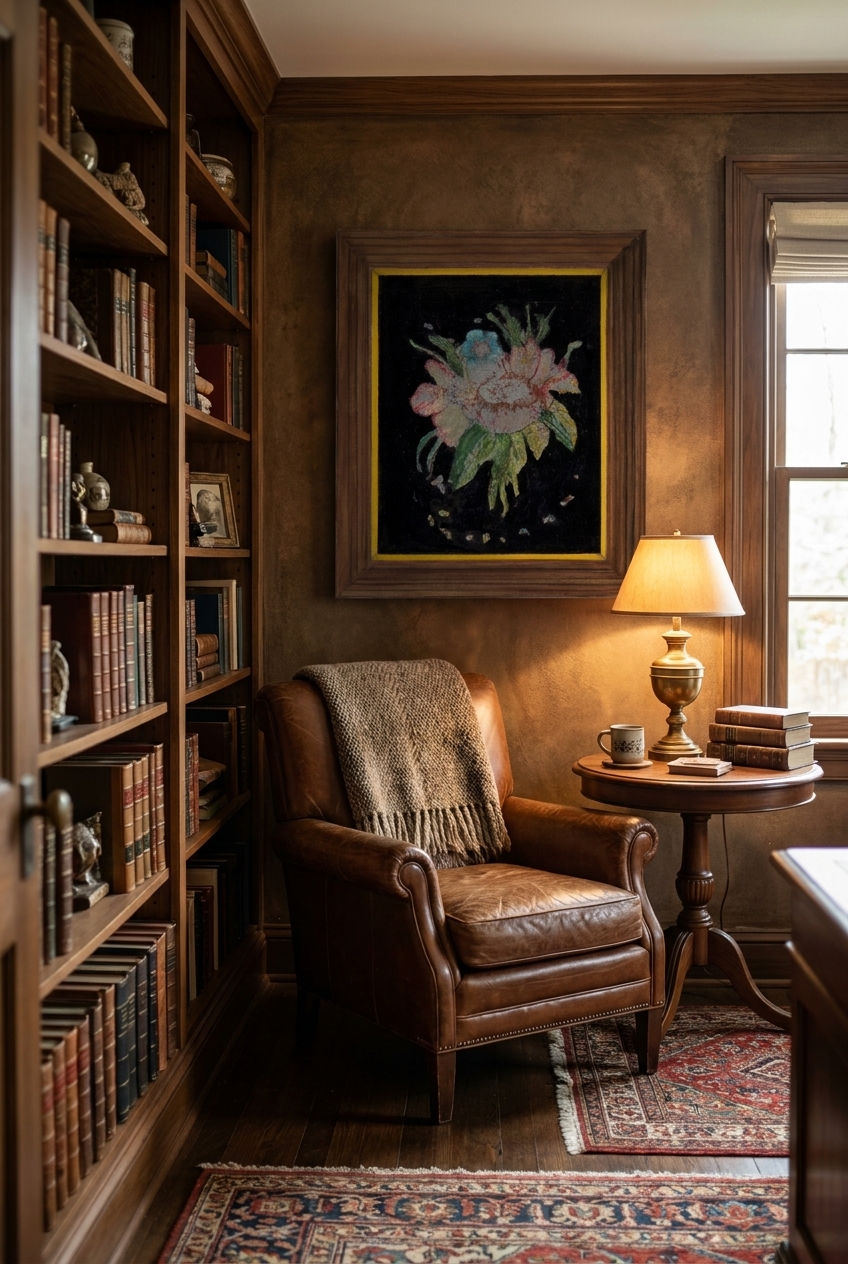
A perfect example of this harmonious approach is her intriguing work, Tin Foil Flower (Painting), created around 1936. In this piece, Stevenson takes a seemingly humble, everyday subject and elevates it through the lens of classical academic rigor. The metallic textures are rendered with that signature sculptural precision, catching the light in soft, mesmerizing waves.
By treating a simple subject with the same dignity and balance usually reserved for grand historical themes, Stevenson created a piece that feels both wonderfully modern and deeply rooted in tradition. It is a testament to her belief that beauty and order can be found in the quietest corners of our lives.
Why Classical Art Belongs in the Modern Home
Because Stevenson’s work focuses so heavily on balance and restrained color, her pieces make magnificent additions to contemporary living spaces. Modern interior design often celebrates clean lines and open spaces, but it can sometimes feel a bit cold. A high-quality fine-art print or canvas of Stevenson's work introduces warmth and intellectual depth without cluttering your walls.
Her soft, neutral palettes and harmonious compositions blend seamlessly with diverse decor styles, from minimalist apartments to traditional studies. Hanging one of her pieces is not just about decorating a wall; it is about creating a sanctuary of calm in your home—a daily reminder of the power of balance and quiet contemplation.
Frequently asked questions
What art movement does Florence Stevenson's work belong to?
Florence Stevenson’s work is deeply rooted in the classical academic tradition. This style is characterized by a focus on symmetry, balanced composition, idealized beauty, and a restrained color palette, drawing inspiration from classical antiquity.
What makes her painting "Tin Foil Flower" unique?
Created around 1936, "Tin Foil Flower" applies rigorous classical painting techniques to a simple, everyday subject. It showcases Stevenson's ability to find sculptural precision and quiet grandeur in unexpected, humble materials.
How do Florence Stevenson prints fit into modern home decor?
Because of their balanced compositions and subtle, soft transitions of light, her prints bring a sense of serene equilibrium to modern spaces. Their clean lines and restrained color palettes complement minimalist, contemporary, and traditional interiors alike.