Winged Wonders: The Timeless Appeal of Bird Art in the Home
In short: Bird art bridges scientific precision and deep natural beauty. From early symbolic engravings to Audubon's dramatic masterpieces, these prints offer a grounding, serene presence for modern walls.
The Eternal Appeal of the Feathered World
There is a unique magic in the way birds connect us to the natural world. For centuries, artists have been captivated by their flight, their vibrant plumage, and their elusive presence. Whether perched quietly on a branch or caught mid-flight, birds bring an instant sense of life and movement to a canvas. In our homes, bird art acts as a visual window to the outdoors, offering a gentle reminder of the wider, wilder world just beyond our walls.
Unlike grand landscape paintings that demand a wide view, bird portraits are intimate. They invite us to look closely at the delicate texture of a feather, the sharp glint of an eye, or the elegant curve of a beak. This intimacy makes them incredibly grounding, creating a quiet sanctuary in any room they inhabit.
From Sacred Symbols to Scientific Wonders
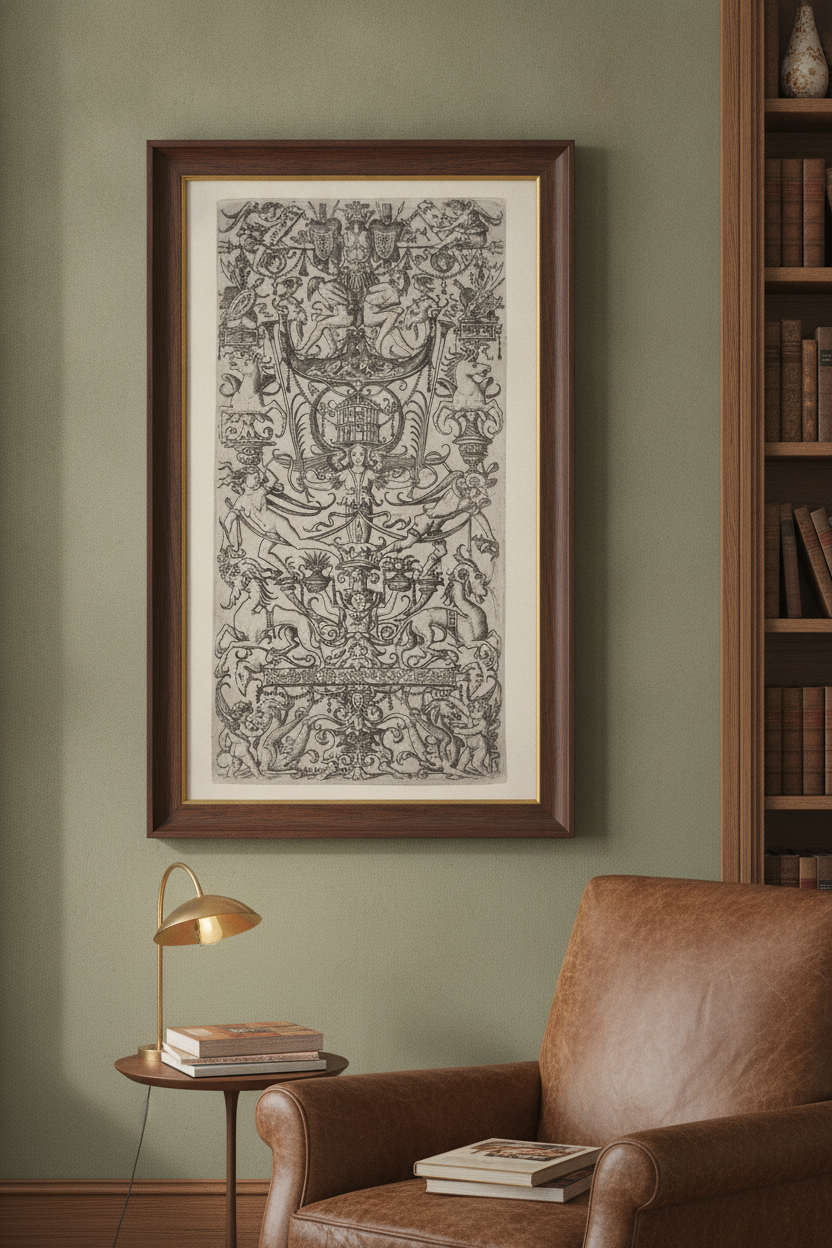
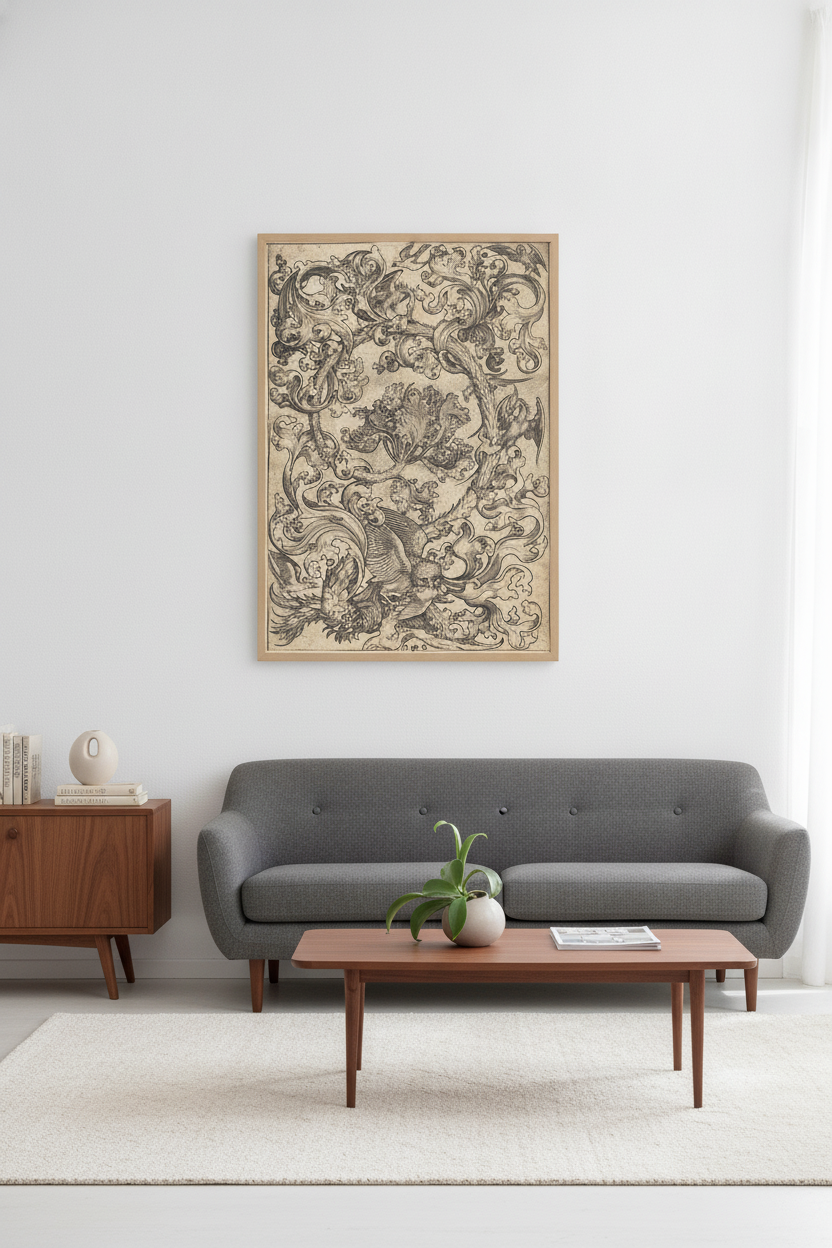
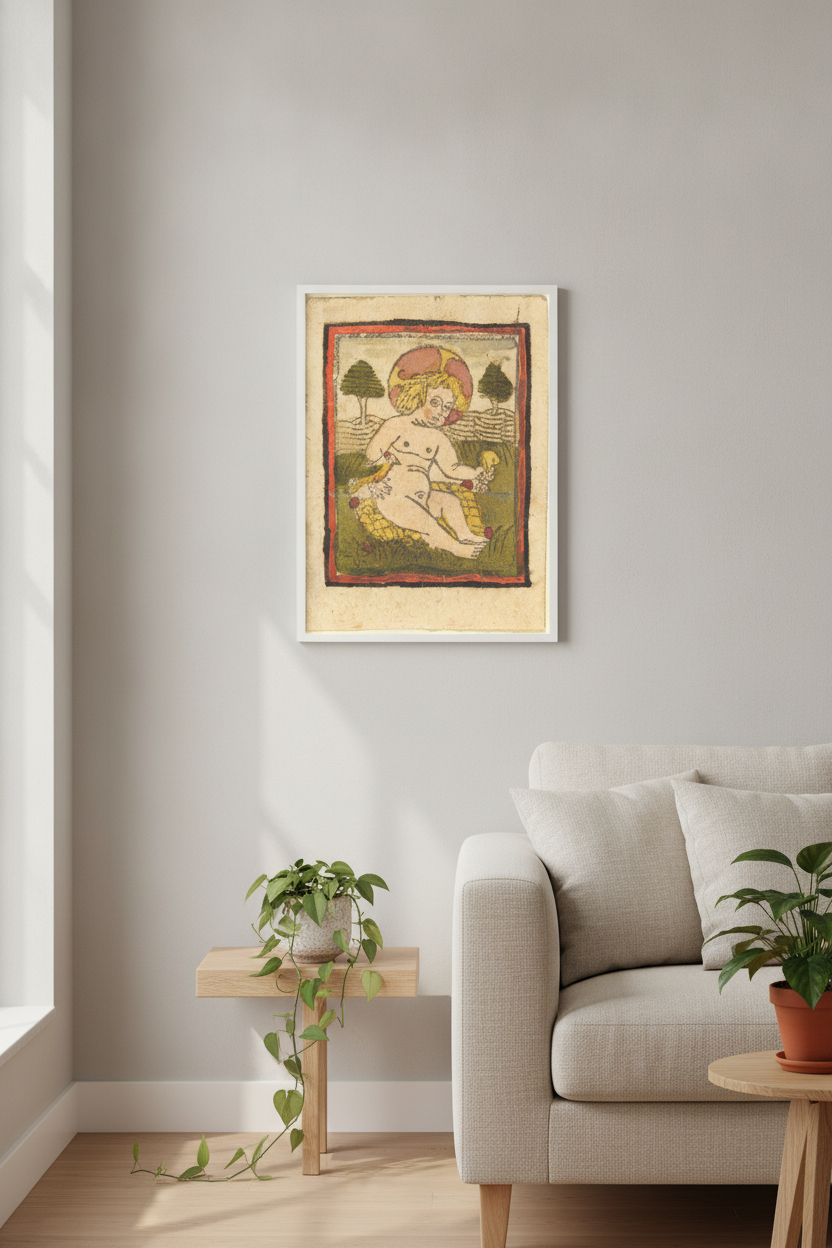
Before they were subjects of scientific study, birds held deep symbolic meaning in art. In the late medieval and Renaissance eras, they often represented the human soul, spiritual messengers, or divine presence. For instance, the delicate depiction in Christ Child with Bird from the late fifteenth century uses a tiny songbird to symbolize innocence and spiritual connection. Around the same time, printmakers used birds to explore human behavior and folklore, as seen in the whimsical engraving Ornament with Owl Mocked by Day Birds, which captures a lively scene of woodland rivalry.
As the centuries progressed, the rise of global exploration shifted the focus from symbolism to science. Artists became naturalists, embarking on perilous journeys to document newly discovered species with breathtaking precision. This era merged rigorous observation with exquisite artistry, proving that scientific documentation could also be high art.
The Drama of Audubon and the Golden Age
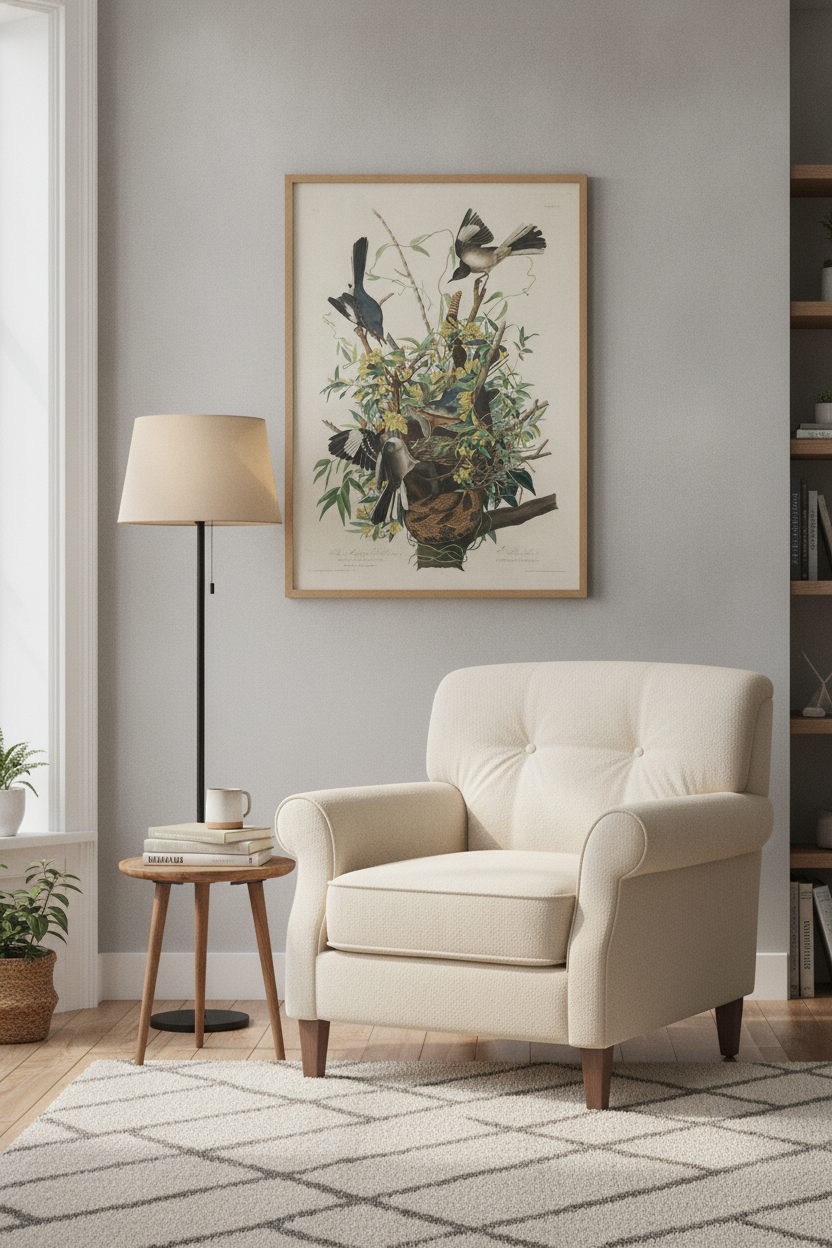
No discussion of ornithological art is complete without John James Audubon. In the early nineteenth century, Audubon revolutionized the genre by insisting on painting birds in their natural habitats, engaged in real-life behaviors. His masterpiece, The Birds of America, brought a sense of theatrical drama to the page, depicting birds hunting, nesting, and defending their territory.
A prime example of this dramatic storytelling is The Mocking Bird from 1827. Rather than a static profile, Audubon presents a tense, narrative-driven scene of birds defending their nest from a slithering predator. It is this combination of scientific accuracy and raw, emotional energy that makes his work endlessly fascinating and highly collectible today.
Bringing Nature Home: Styling Bird Prints
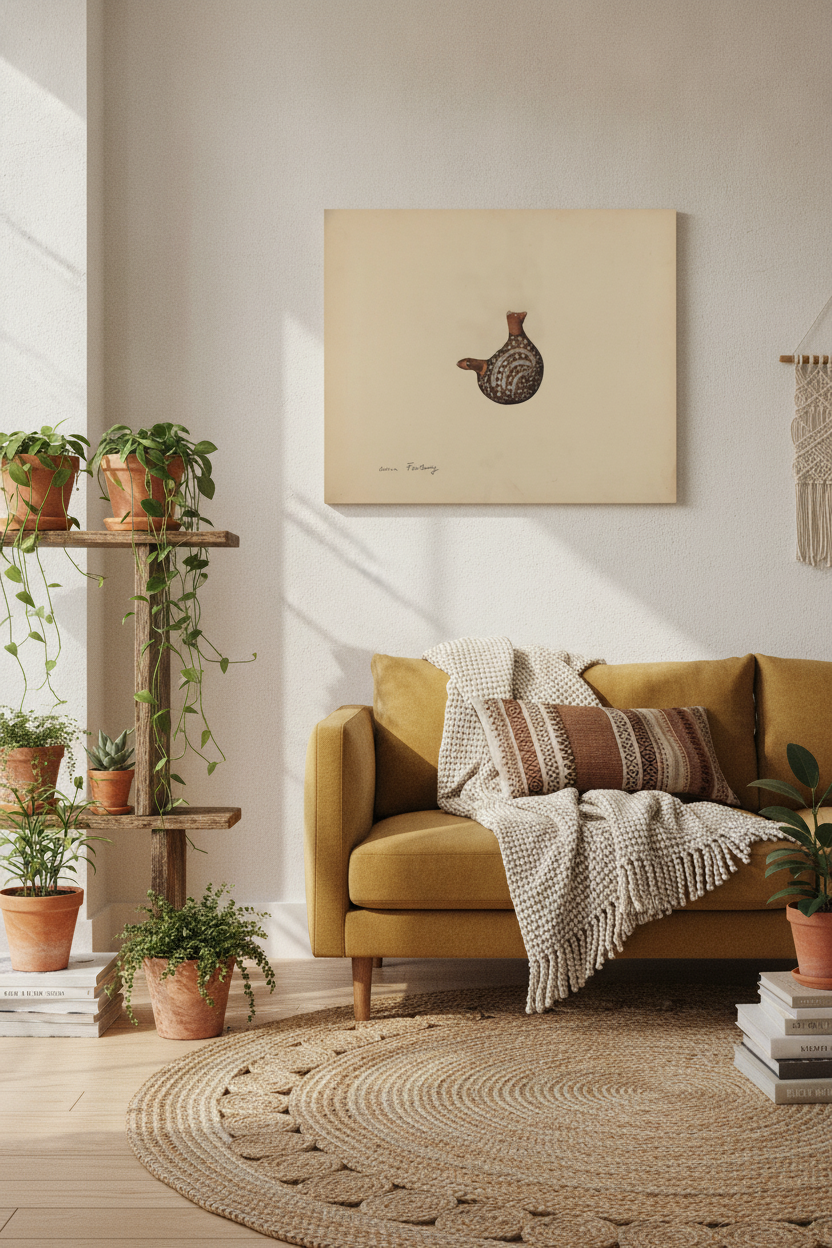
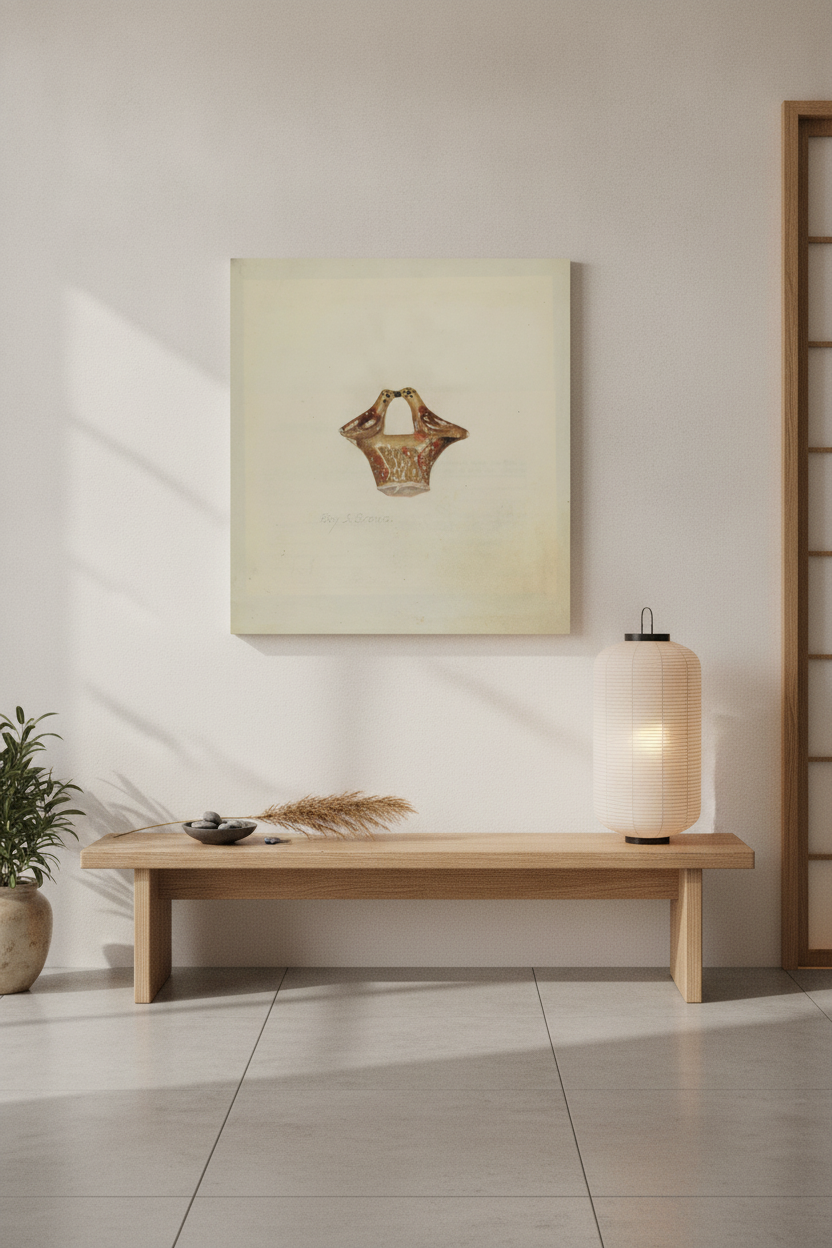
One of the greatest joys of bird art is its versatility. Because birds come in every shape, size, and color palette, there is a print to suit every interior style. A dramatic Audubon print can serve as a striking focal point in a traditional study or dining room, while a simpler, folk-art-inspired piece like the mid-century Earthenware Bird adds a touch of rustic warmth to a modern kitchen or entryway.
When styling these prints, consider grouping them in pairs or small galleries. Hanging multiple bird prints together mimics the natural variety of the outdoors, creating a curated, collector's feel. Whether you prefer the intricate lines of Renaissance engravings or the bold colors of nineteenth-century illustrations, these timeless pieces bring a breath of fresh air and a sense of enduring calm to your living space.
Frequently asked questions
Why was bird art so popular in the 18th and 19th centuries?
This era was defined by global exploration and scientific discovery. Wealthy patrons and naturalists wanted to document and display the newly discovered species of the world, leading to a golden age of highly detailed, hand-colored engravings.
How do I choose the right bird print for my home decor?
Consider the mood of your space. For a serene, minimalist room, look for quiet, single-subject Renaissance studies or folk art. For a bold, dramatic statement, look to the dynamic, action-filled compositions of John James Audubon.
What makes archival reproductions better than standard posters?
Archival reproductions use acid-free papers and pigment-based inks. This ensures that the delicate gradients, fine lines, and rich colors of the original historical prints do not fade or yellow over time, preserving the museum-quality look for decades.