The luminous legacy of High Renaissance Umbrian ceramic mastery
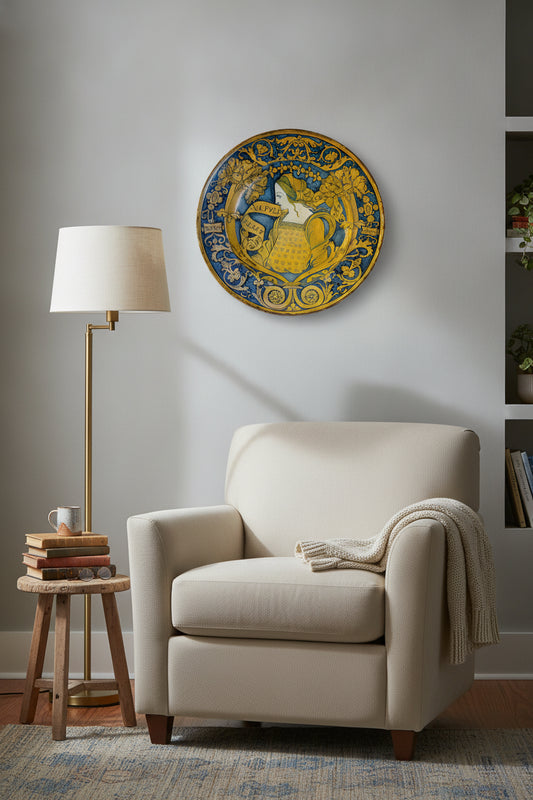
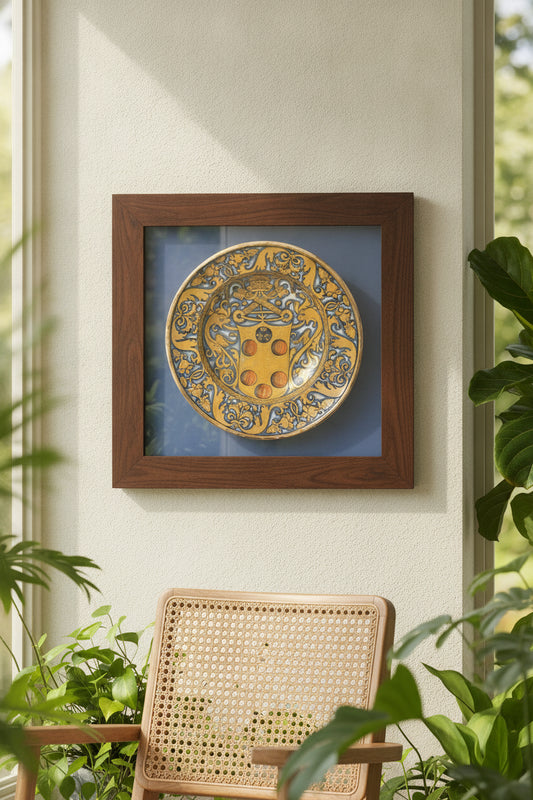
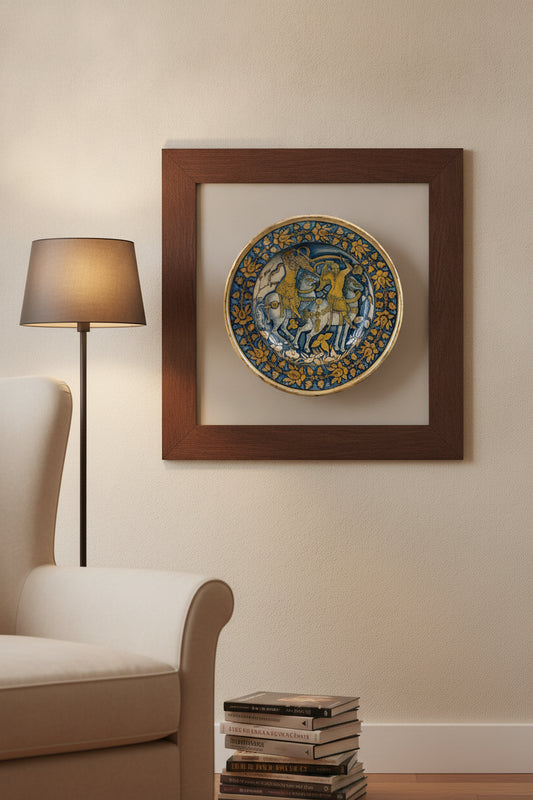
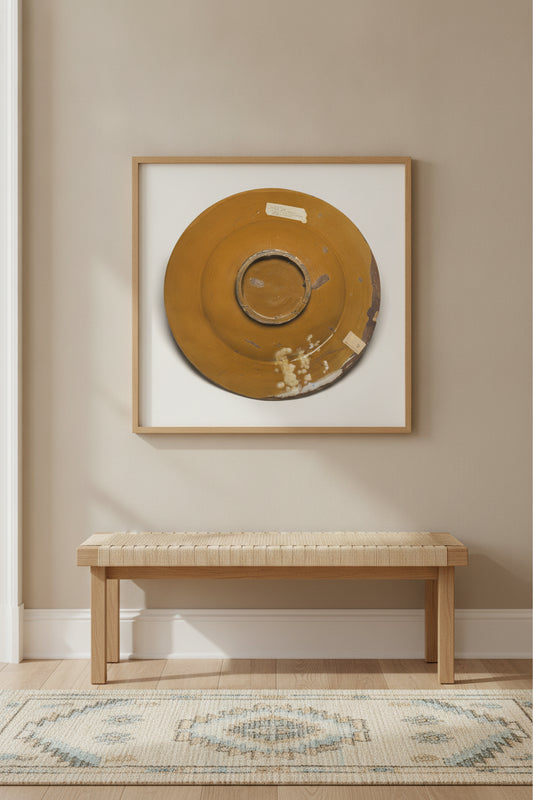
Active during the height of the Italian Renaissance, the anonymous masters of sixteenth-century Deruta elevated tin-glazed earthenware to an extraordinary discipline of fine art. Situated in the hill country of Umbria, these workshops synthesized classical antiquity with contemporary painterly innovations, transforming vessels into canvases for sophisticated iconographical narratives.
The Deruta signature is defined by its brilliant, iridescent luster glazes—particularly in shimmering gold and brassy yellow tones—and a refined graphic precision. Drawing inspiration from Raphael’s Vatican frescoes, these artisans adorned surfaces with intricate grotesques, delicate arabesques, and idealized profile portraits that captured the humanist ideals of the era.
Today, these works stand as vital historical documents of Renaissance material culture. They represent a perfect harmony of chemistry and artistry, where classical symmetry, mythological allegory, and a luminous palette converge to define the aesthetic peak of Italian maiolica.