The rigorous graphic precision and spiritual intensity of the Northern Renaissance.
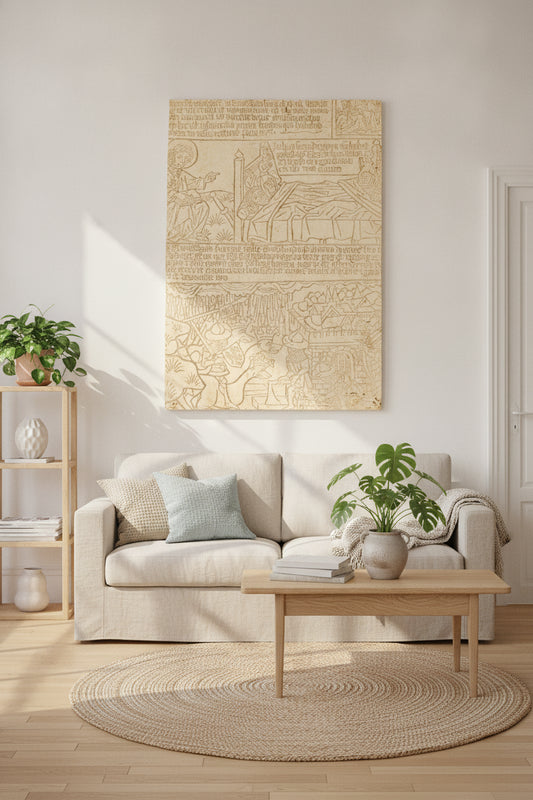
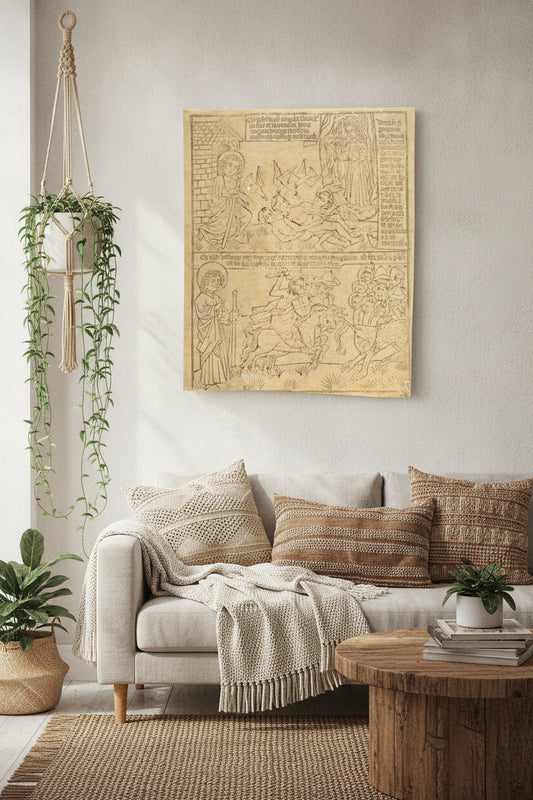
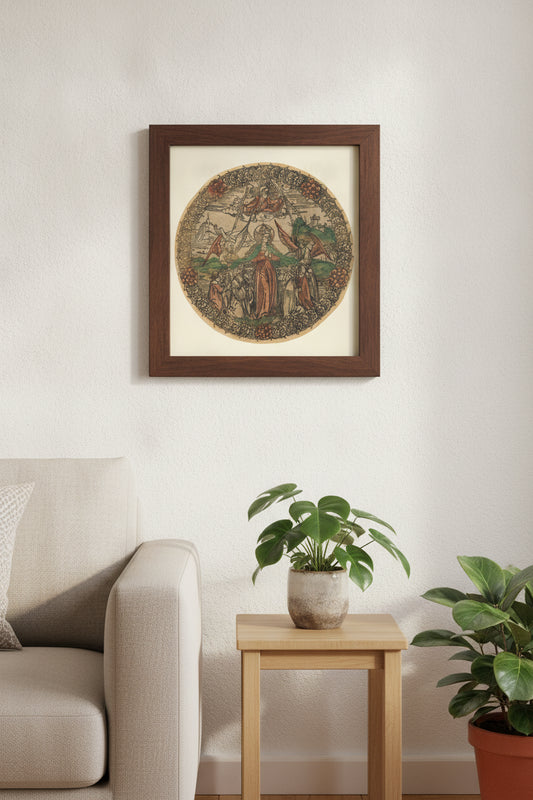
The fifteenth century in Germany represents a profound epoch of artistic transition, where the spiritual lyricism of the Late Gothic style began to merge with a newfound empirical observation of the natural world. This era laid the groundwork for the Northern Renaissance, defined by an intense devotion to detail, linear precision, and a deeply felt humanism that transformed sacred iconography.
Works from this period are distinguished by their graphic rigor and expressive complexity. Master craftsmen and painters of the region pioneered techniques in woodcut, engraving, and tempera, translating complex narratives into stark, high-contrast compositions. The stylistic signature lies in the angular, deeply carved drapery, the psychological gravity of the figures, and an uncompromising fidelity to the textures of the material world.
Collectively, these works capture a culture on the precipice of intellectual awakening. They offer a quiet, contemplative intensity, where every fold of fabric and atmospheric landscape element carries symbolic weight, reflecting the rich heritage of Northern European art.