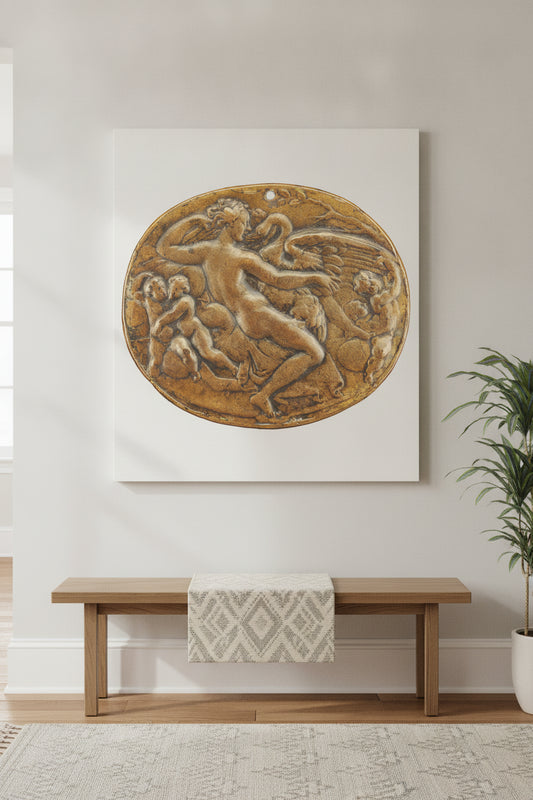
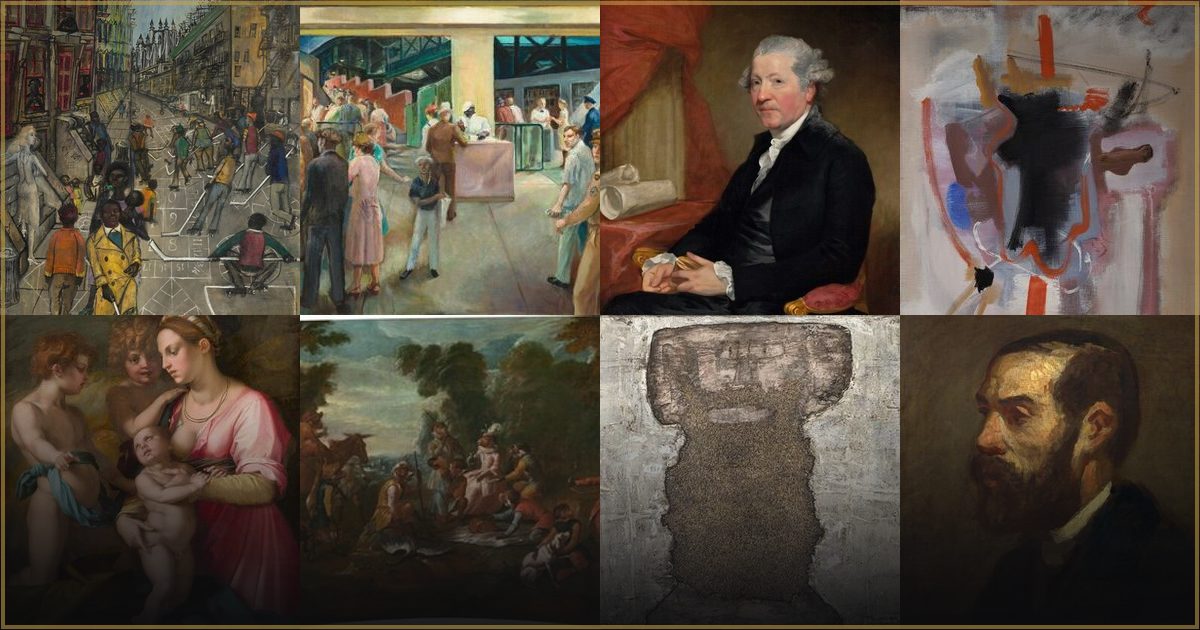
The sublime harmony and dramatic tension of the Italian Cinquecento.
The sixteenth century in Italy—the storied Cinquecento—marked the zenith of classical harmony and the dramatic dawn of Mannerism. Works from this illustrious era reflect a profound intellectual shift, moving from the balanced, idealized proportions of the High Renaissance to the expressive, elongated elegance of the late century.
Unattributed masters of this period demonstrated an extraordinary command of draftsmanship, utilizing chiaroscuro to sculpt form through light and shadow. The compositions are characterized by a sophisticated understanding of human anatomy, architectural perspective, and a refined, poetic sensibility that captures both the sacred and the mythic.
Today, these works stand as enduring testaments to an age of unparalleled artistic refinement. They offer a window into the workshops of Florence, Rome, and Venice, where the pursuit of grace, balance, and emotional depth redefined the visual language of the Western world.