The monumental poise and sculptural draftsmanship of Picasso's neoclassical period
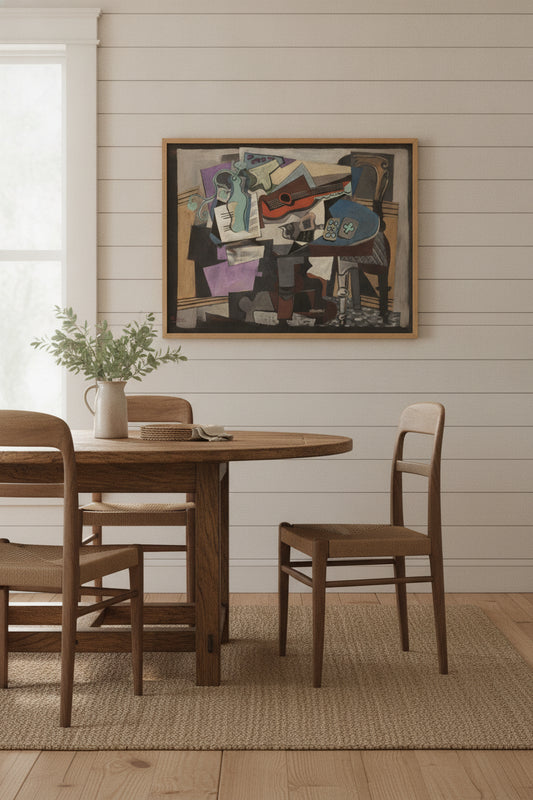
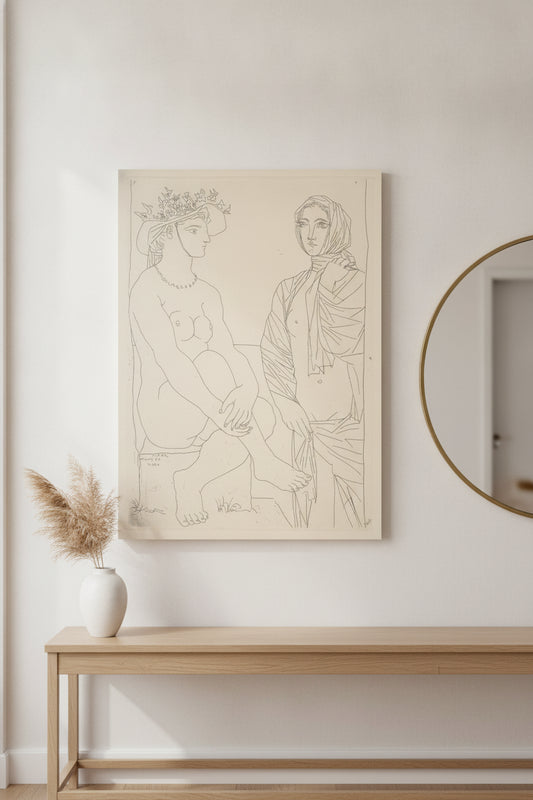
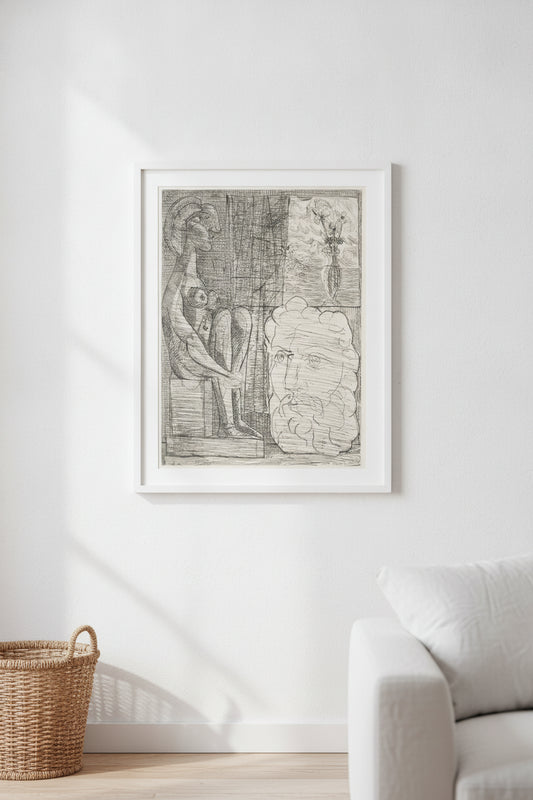
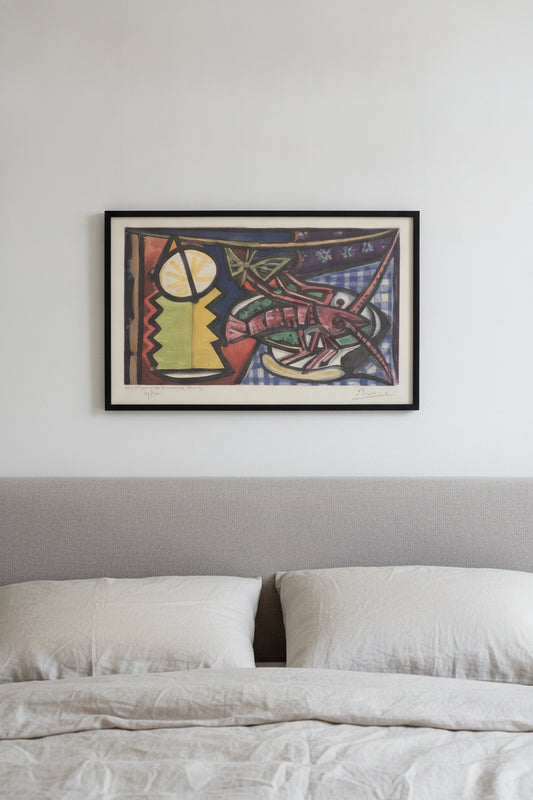
Following the fragmentation of Cubism and the global upheaval of the First World War, Pablo Picasso embarked on a profound "return to order." This neoclassical period, spanning the late 1910s and 1920s, saw the artist look back to Greco-Roman antiquity and the pristine draftsmanship of the Old Masters, translating classical ideals into a modern visual language.
The works of this era are defined by their monumental scale, heavy sculptural forms, and a serene, tactile weight. Picasso abandoned fractured planes in favor of clean, voluptuous contours and a muted, earthy palette, rendering mythological figures, bathers, and portraits with an imposing yet tranquil presence.
This classical phase demonstrates Picasso's extraordinary versatility and mastery of line. By synthesizing ancient proportions with avant-garde sensibility, he created a timeless body of work that celebrates the enduring power of form, volume, and draftsmanship.